


Custom diameter pinhole lens
09/18/2025
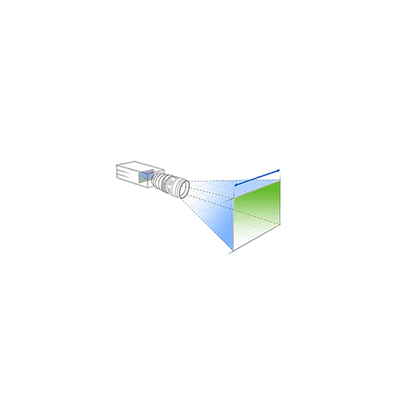
How does a machine vision lens work?
09/18/2025
Wide Angle Lens Filters are indispensable tools for photographers seeking to maximize the potential of their wide-angle lenses. These specialized filters address common challenges unique to wide-angle photography, such as distortion, vignetting, and uneven lighting, while unlocking creative possibilities.
Why Wide Angle Lens Filters Are Essential for Photographers
Wide-angle lenses are beloved for their ability to capture expansive scenes, but they come with inherent drawbacks. Standard filters often cause vignetting—dark corners in images—due to the lens’s curved design. Additionally, wide-angle lenses are prone to lens flare, chromatic aberration, and uneven exposure, especially in high-contrast settings. Wide Angle Lens Filters are engineered to mitigate these issues while enhancing image quality.
For instance, a polarizing filter reduces reflections and boosts color saturation, making skies appear deeper blue and foliage more vibrant. A graduated neutral density (GND) filter balances exposure between bright skies and dark foregrounds, a common struggle in landscape photography. Meanwhile, ultraviolet (UV) filters protect the lens from scratches and dust while minimizing haze caused by UV light.
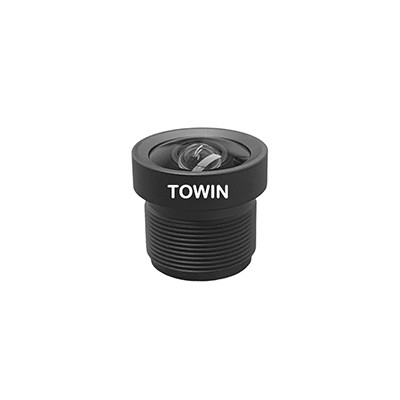
8-Megapixel Wide-angle lens
The Top 5 Benefits of Wide Angle Lens Filters
1. Enhanced Image Clarity
Wide Angle Lens Filters like UV or clear protective filters act as a barrier against dirt, moisture, and fingerprints, ensuring your lens stays pristine. By reducing atmospheric haze, UV filters also improve sharpness, particularly in mountainous or coastal scenes.
2. Creative Control Over Light
Neutral density (ND) filters allow photographers to use slower shutter speeds even in bright conditions, creating silky waterfalls or blurred clouds. Graduated ND filters, on the other hand, help manage extreme lighting contrasts, such as sunsets over water.
3. Reduced Distortion and Vignetting
Slim-profile Wide Angle Lenses Filters are designed with minimal thickness to prevent vignetting. This is critical when stacking multiple filters or using ultra-wide lenses like a 14mm focal length.
4. Color and Contrast Optimization
Polarizing filters eliminate glare from non-metallic surfaces, such as water or leaves, resulting in richer colors and greater contrast. This is invaluable for outdoor photography, where reflections can wash out details.
5. Long-Term Lens Protection
A high-quality clear filter serves as a sacrificial shield, absorbing impacts that could otherwise damage the front element of your lens. This is a cost-effective way to preserve expensive glass, especially in rugged environments.
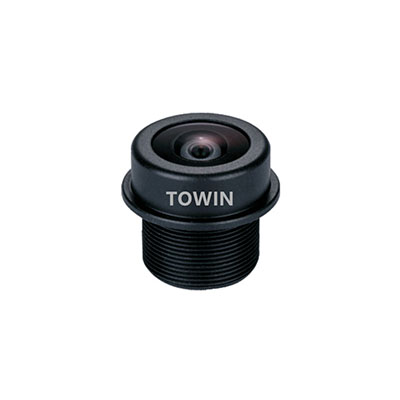
1.6mm F1.8 S-Mount Wide Angle Lens
How to Choose the Right Wide Angle Lens Filters
Selecting the correct filter depends on your photography genre and lens specifications. For example:
- Landscape photographers should prioritize polarizing and GND filters.
- Astrophotographers benefit from light pollution reduction filters.
- Architectural shooters may prefer tilt-shift filters to correct perspective distortion.
Compatibility is also key. Ensure the filter thread size matches your lens (e.g., 67mm, 77mm). Opt for brands like B+W, Hoya, or NiSi, known for their optical clarity and durability.
Common Mistakes to Avoid with Wide Angle Lens Filters
- Using cheap filters: Low-quality glass can introduce softness, color casts, or flare. Invest in multi-coated filters to minimize reflections.
- Over-stacking filters: Combining more than two filters increases the risk of vignetting and light loss.
- Ignoring filter size: A filter that’s too small will leave unfiltered light entering the lens, causing dark edges.
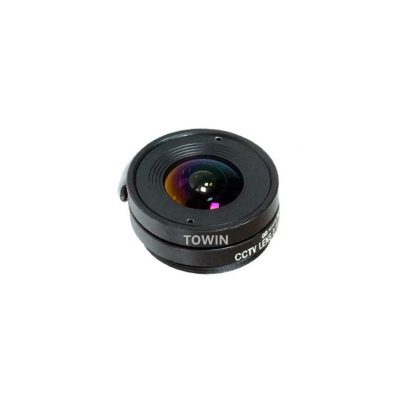
CS mount wide angle lens IR corrected
Final Thoughts
Wide Angle Lens Filters are not just accessories—they’re transformations. By addressing the unique challenges of wide-angle photography, they empower you to capture scenes with precision, creativity, and professional polish. Whether you’re a hobbyist or a seasoned pro, integrating filters into your workflow will yield immediate, tangible improvements in your images.