Wide Angle Lens with Low Dispersion Glass Elements
09/05/2025
Low distortion microscopy lens
09/05/2025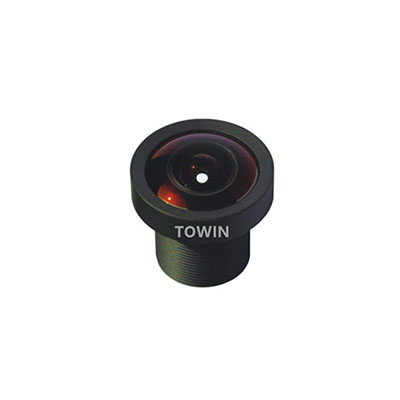
Driving in adverse weather conditions can be a nerve-wracking experience, but water-repellent automotive lens are revolutionizing how vehicles handle rain, snow, and fog. These advanced lenses use hydrophobic coatings to repel water droplets, ensuring crystal-clear visibility and boosting safety on the road.
Water-Repellent Automotive Lens: How They Work
The science behind water-repellent automotive lenses lies in their nano-coated surfaces. These coatings, often made from silica or fluoropolymers, create a super-smooth texture that water cannot adhere to. Instead of forming beads that scatter light and blur vision, water slides off instantly, leaving the lens dry and clear. This process, known as the lotus effect, mimics nature’s way of keeping surfaces clean—think of how water rolls off a lotus leaf.
For automotive applications, this technology is applied to headlights, taillights, side mirrors, and even interior cameras. The result? Reduced glare, improved light projection, and unobstructed views, no matter the weather.
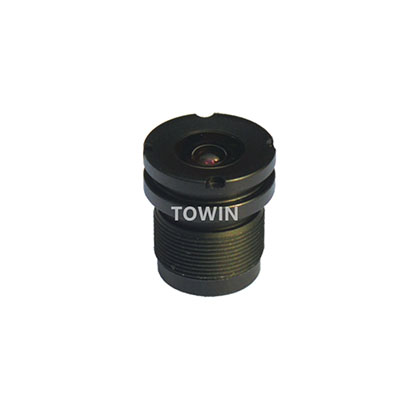
IP67 Automotive S-Mount lens
5 Key Benefits of Water-Repellent Automotive Lenses
1. Enhanced Safety in Rain and Snow
- Traditional lenses trap water droplets, creating distortions that reduce visibility. Water-repellent automotive lenses eliminate this issue, ensuring drivers can see road markings, pedestrians, and other vehicles clearly. Studies show that hydrophobic coatings can improve reaction times by up to 25% in wet conditions.
2. Longer-Lasting Lighting Systems
- Water and debris can corrode lens materials over time, leading to cloudiness or cracks. Water-repellent automotive lenses resist these elements, extending the lifespan of headlights and taillights by up to 50%.
3. Self-Cleaning Properties
- Dirt and grime struggle to stick to hydrophobic surfaces, meaning lenses stay cleaner for longer. This reduces the need for frequent wiping or cleaning, saving time and effort.
4. Improved Energy Efficiency
- Clear lenses allow headlights to project light more efficiently, reducing energy consumption. Some manufacturers report a 10–15% increase in light output with water-repellent automotive lenses.
5. Cost-Effective Maintenance
- Fewer replacements and cleanings translate to lower long-term costs. For fleet operators or everyday drivers, this technology offers significant savings over time.
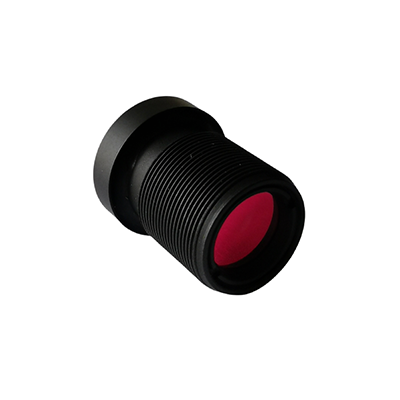
IP67 6mm Waterproof Automotive Wide-Angle Lenses
The Future of Water-Repellent Automotive Lenses
As automotive tech evolves, water-repellent automotive lenses are becoming standard in premium vehicles. Companies like 3M and Zeiss are pioneering advanced coatings that resist not just water but also ice and fingerprints. Meanwhile, startups are exploring eco-friendly alternatives to chemical-based treatments, such as laser-etched glass.
Conclusion
Water-repellent automotive lens are a small but mighty innovation that transforms driving safety and convenience. By repelling water, dirt, and debris, they ensure optimal visibility in even the harshest conditions.