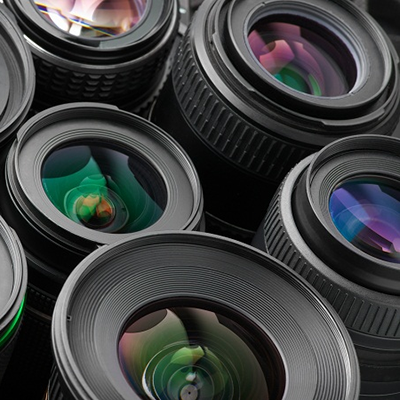



Apochromatic low distortion lens
08/29/2025
S-Mount Lens for Medical Endoscopy
08/29/2025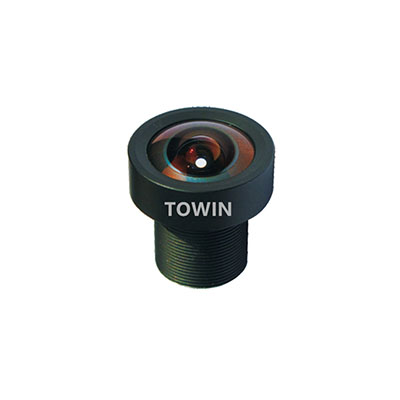
Photography is an art form that allows us to capture moments, tell stories, and evoke emotions through visual imagery. Whether seasoned pro or passionate amateur, the right gear greatly boosts photo quality and impact. A wide-angle lens is one of the essential tools a photographer needs. So, what are the main features of wide-angle lens?
The Main Features of Wide-Angle Lens
1. Expansive Field of View
One of the most defining characteristics of a wide-angle lens is its expansive field of view. Typically, a wide-angle lens has a focal length of 35mm or less on a full-frame camera, allowing it to capture a much broader scene than a standard lens. This feature proves especially useful for shooting landscapes, architecture, and interiors, capturing vast environments in one frame.
The wide field of view enables photographers to emphasize the grandeur and scale of a scene, making it appear more immersive and engaging. When shooting vast mountain ranges or city skylines, a wide-angle lens captures their scale and beauty like no other.
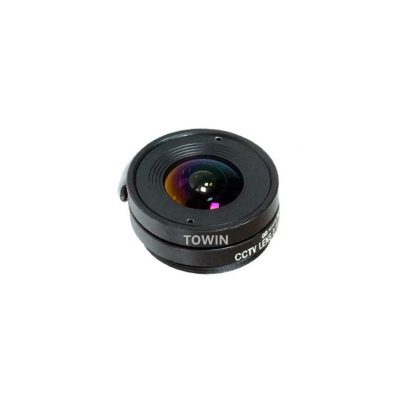
CS mount wide angle lens IR corrected
2. Enhanced Depth and Perspective
Another notable feature of a wide-angle lens is its ability to enhance depth and perspective in your images. A wide-angle lens, with its short focal length, makes closer objects appear larger relative to distant ones. This effect, known as perspective distortion, can be used creatively to add drama and interest to your photographs.
For example, when photographing a subject up close with a wide-angle lens, the foreground elements will appear significantly larger and more prominent, while the background elements will seem smaller and more distant. It adds depth and dimension, guiding the viewer’s gaze into the image for a dynamic, captivating effect.
3. Minimal Distortion Control
While perspective distortion can be a powerful creative tool, it can also pose challenges, particularly when photographing people or architectural subjects where straight lines are essential. Modern wide-angle lenses use advanced optics and coatings to reduce distortion, keeping lines straight and subjects natural.
Some wide-angle lenses even feature built-in correction profiles that can be applied during post-processing to further reduce distortion and improve image quality. Select a top-tier wide-angle lens and master its use to capture stunning, low-distortion shots in tough conditions.
4. Excellent Low-Light Performance
Wide-angle lenses are often favored by photographers who work in low-light environments, such as landscape photographers capturing sunrise or sunset scenes, or event photographers shooting indoors without artificial lighting. Wide-angle lenses often feature f/2.8 or wider apertures, letting in more light for brighter, clearer shots in low light.
Additionally, the wide field of view of a wide-angle lens can be advantageous when photographing in low light, as it enables you to capture more of the available light in the scene. It cuts the need for high ISO or long exposures, preventing noise and motion blur in images.
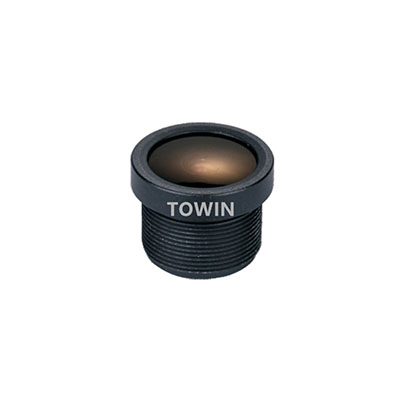
2.7mm Wide Angle Automotive Lens
5. Versatility and Creativity
Perhaps one of the most appealing features of a wide-angle lens is its versatility and the creative possibilities it offers. A wide-angle lens suits diverse photography genres, from landscapes and architecture to unique portraits and abstract shots.
By experimenting with different angles, compositions, and perspectives, you can discover new ways to express your creativity and tell compelling stories through your images. Whether you’re exploring the great outdoors or documenting the hustle and bustle of urban life, a wide-angle lens can help you capture the essence of a scene in a way that is both visually striking and emotionally resonant.
Conclusion
The wide-angle lens is a powerful and versatile tool that can significantly enhance your photography. With its expansive field of view, enhanced depth and perspective, minimal distortion control, excellent low-light performance, and creative potential, a wide-angle lens offers a range of features that can help you capture stunning images in any situation.