


What is a car infrared thermal imaging lens?
08/25/2025
Drone Wide Angle Lens
08/25/2025
In the realm of photography and videography, achieving crystal-clear images with minimal distortion is a top priority for professionals and enthusiasts alike. Low-distortion lenses have emerged as a game-changer, offering unparalleled precision and clarity. However, with their rising popularity comes a plethora of questions.
What Are Low-Distortion Lenses?
Low-distortion lens are designed to minimize optical aberrations, such as barrel distortion and pincushion distortion, which can cause straight lines to appear curved in images. These lenses are meticulously crafted using advanced optical technologies and materials to ensure that the captured images are as true-to-life as possible. Whether you’re shooting landscapes, architecture, or portraits, low-distortion lens deliver exceptional image quality with minimal distortion.
Common FAQs About Low-Distortion Lenses Answered
What Makes Low-Distortion Lenses Different from Regular Lenses?
Low-distortion lenses differ from regular lenses in their ability to significantly reduce optical distortions. Regular lenses may introduce noticeable distortions, especially at the edges of the frame, whereas low-distortion lens maintain image integrity throughout the entire frame. This makes them ideal for applications where precision and accuracy are paramount, such as architectural photography and scientific imaging.
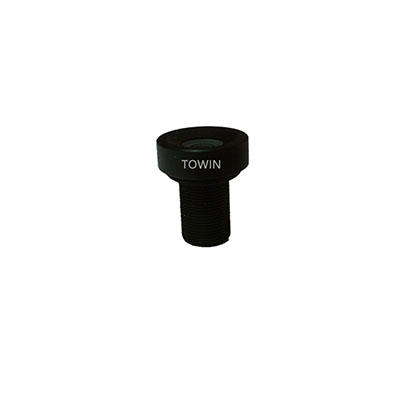
M8 mount low distortion lens
Are Low-Distortion Lenses More Expensive?
Yes, low-distortion lens tend to be more expensive than their regular counterparts. The advanced optical design and high-quality materials used in their construction contribute to their higher price tag. However, the investment is often justified by the superior image quality and reduced need for post-processing corrections.
Can Low-Distortion Lenses Be Used for All Types of Photography?
Absolutely! Low-distortion lens are versatile and can be used for various types of photography, including landscape, portrait, architectural, and product photography. Their ability to minimize distortions makes them particularly well-suited for applications where straight lines and accurate proportions are crucial.
Do Low-Distortion Lenses Require Special Maintenance?
Low-distortion lens do not require any special maintenance beyond what is recommended for regular lenses. It’s essential to keep the lens clean, store it properly when not in use, and handle it with care to avoid scratches or damage to the optical elements.
How Do Low-Distortion Lenses Perform in Low-Light Conditions?
The performance of low-distortion lenses in low-light conditions depends on several factors, including the lens’s aperture size and the camera’s sensor sensitivity. Many low-distortion lens feature wide apertures, allowing more light to enter the camera and resulting in better low-light performance. However, it’s always advisable to check the lens specifications and user reviews to gauge its low-light capabilities.
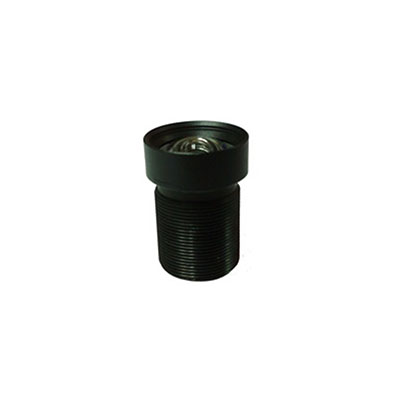
4mm low distortion IR Cut Filter S-Mount Lens
Are Low-Distortion Lens Compatible with All Camera Brands?
Low-distortion lens are available in various mount types, making them compatible with a wide range of camera brands and models. Before purchasing a low-distortion lens, ensure that it is compatible with your camera’s mount type to avoid any compatibility issues.
Can Low-Distortion Lens Be Used for Videography?
Yes, low-distortion lens are equally suitable for videography as they are for photography. Their ability to minimize distortions ensures that the captured footage is visually appealing and free from unwanted artifacts. This makes them a popular choice among filmmakers and videographers who demand high-quality visuals.
What Are the Benefits of Using Low-Distortion Lens?
The primary benefit of using low-distortion lens is the superior image quality they offer. By minimizing optical distortions, these lenses produce images that are more accurate and true-to-life. Additionally, they reduce the need for post-processing corrections, saving time and effort in the editing process.
Are There Any Drawbacks to Using Low-Distortion Lens?
While low-distortion lens offer numerous advantages, they do have a few drawbacks. As mentioned earlier, they tend to be more expensive than regular lenses. Additionally, their advanced optical design may result in a slightly heavier and bulkier build, which could be a consideration for photographers who prioritize portability.

1/4″ 2mm low distortion, wide angle lens
In conclusion, low-distortion lenses are a valuable addition to any photographer’s or videographer’s toolkit. By addressing these common FAQs about low-distortion lens answered, we hope to have provided you with a clearer understanding of their benefits, applications, and considerations. Whether you’re a seasoned professional or a budding enthusiast, investing in a low-distortion lens can elevate your visual storytelling to new heights.