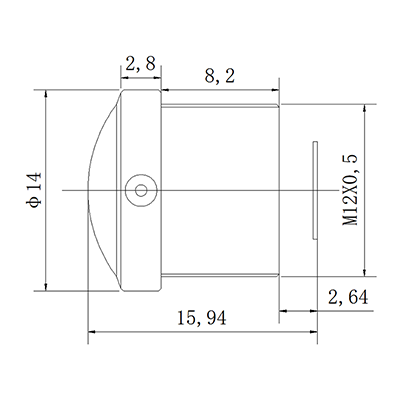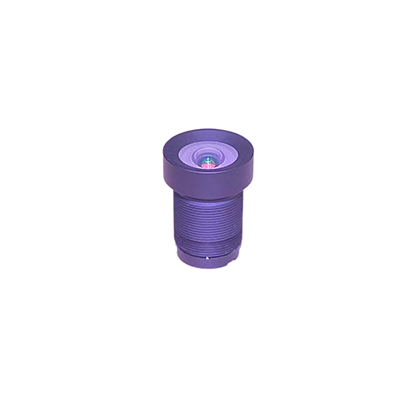



12mm M12 mount low-distortion lens
08/15/2025
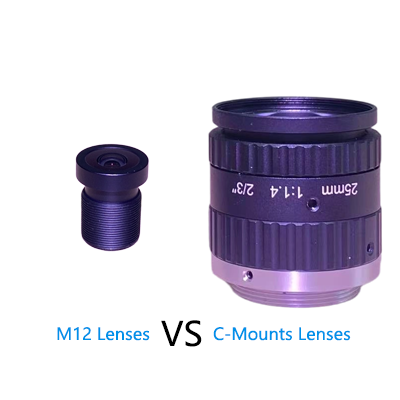
M12 lenses for AR/VR headsets
08/18/2025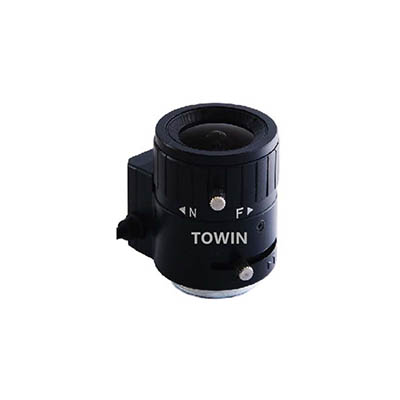
Photography is an art that thrives on flexibility and creativity. Whether you’re capturing landscapes, portraits, or wildlife, having the right equipment can make all the difference. One tool that stands out for its adaptability is the zoom lens. Unlike prime lenses, which have a fixed focal length, a zoom lenses allows photographers to adjust their frame without physically moving or swapping lenses. This versatility makes it a favorite among professionals and hobbyists alike.
1. Versatility: One Lens, Multiple Focal Lengths
The most obvious advantage of a zoom lenses is its ability to cover a range of focal lengths. For example, a standard 24-70mm zoom lenses can handle wide-angle shots for landscapes and tighter frames for portraits. This eliminates the need to carry multiple prime lenses, saving space and reducing the hassle of switching gear mid-shoot.
Imagine photographing a wedding ceremony. With a zoom lens, you can seamlessly transition from capturing the entire venue (using a wider angle) to focusing on the bride’s expression (using a telephoto setting). This adaptability ensures you never miss a critical moment.

5-50mm CS-mount CCTV lens
2. Convenience: Speed and Efficiency in Any Situation
Time is often of the essence in photography, especially in fast-paced environments like sports events or street photography. A zoom lens lets you react quickly to changing conditions without fumbling with lens changes. For instance, if a bird suddenly takes flight during a wildlife shoot, you can instantly zoom in to track its movement rather than wasting precious seconds swapping lenses.
This convenience also extends to travel photography. When exploring new destinations, you might encounter diverse scenes—from sprawling vistas to intricate architectural details. A zoom lenses allows you to adapt effortlessly, ensuring you’re always ready to capture the perfect shot.
3. Cost-Effectiveness: Save Money Without Sacrificing Quality
Investing in high-quality glass can be expensive, but a zoom lens offers excellent value for money. Instead of purchasing separate prime lenses for different focal lengths, a single zoom lens can cover multiple ranges. For example, a 70-200mm zoom lenses replaces the need for individual 85mm, 135mm, and 200mm primes, significantly reducing costs.
Additionally, many modern zoom lenses, such as the Tamron 28-200mm, deliver sharp images across their entire focal range, rivaling the performance of some prime lenses. This combination of affordability and quality makes a zoom lens an attractive option for budget-conscious photographers.
4. Creative Flexibility: Experiment with Composition on the Fly
A zoom lens empowers photographers to explore creative compositions without physically moving. By adjusting the focal length, you can alter perspective, depth of field, and background compression. For example, shooting at 200mm can create a pleasing bokeh effect, isolating your subject from distractions. Conversely, a wider setting like 24mm emphasizes foreground elements while incorporating more of the background.
This flexibility is particularly useful in controlled environments like studios, where lighting and setup are fixed. With a zoom lens, you can experiment with different frames without repositioning your subject or lights, streamlining your workflow.Recommended Reading: What is a zoom lens and its function
5. Improved Stability: Reduce Camera Shake for Sharper Images
Longer focal lengths, such as those used in telephoto photography, amplify camera shake, leading to blurry images. A zoom lens mitigates this issue by allowing you to step back and use a wider angle when possible, reducing the need for extreme magnification. For instance, instead of shooting at 200mm and risking instability, you might zoom out to 100mm and move closer to your subject, maintaining image sharpness.
Many zoom lenses also feature built-in image stabilization (IS) or vibration reduction (VR) technology, further minimizing shake. This is especially beneficial in low-light conditions or when shooting handheld.
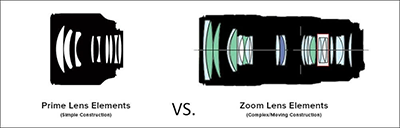
Zoom Lens
Why Choose a Zoom Lens Over Prime Lenses?
While prime lenses are renowned for their optical purity and wide apertures, they lack the adaptability of a zoom lens. For photographers who prioritize convenience and versatility, a zoom lens is often the better choice. It’s worth noting that some high-end zoom lenses, like the Sony FE 24-70mm F2.8 GM, now rival primes in terms of sharpness and low-light performance, bridging the gap between the two categories.
Conclusion
The advantages of using a zoom lens are undeniable. From its unmatched versatility to its cost-effectiveness, this tool is a game-changer for photographers of all levels.