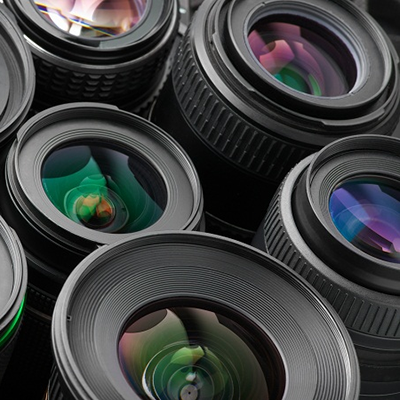



Large aperture CCTV lens (F0.8, F1.0)
12/02/2025
Automotive sensor lens
12/02/2025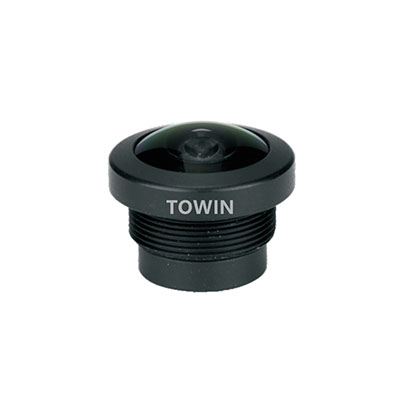
When it comes to capturing unique, immersive, and wide-angle images, a fisheye lens is often the go-to choice. Combining the ultra-wide perspective with a distinctive spherical distortion, fisheye lenses have long been favored by photographers and videographers who seek creativity in their shots. However, there’s a challenge when using this lens type—camera shake. This is where Fisheye Lens with Image Stabilization becomes essential.
What Is a Fisheye Lens with Image Stabilization?
A fisheye lens is a special type of wide-angle lens that produces an extremely wide field of view—usually around 180 degrees or more. This lens causes the image to appear distorted, with straight lines bending outward from the center, which creates a spherical, almost panoramic effect. It’s perfect for capturing wide scenes, dramatic architecture, and even artistic shots.
Image stabilization (IS) is a feature embedded in many modern camera lenses and sensor systems. It works by compensating for small movements or shakes that may occur while you’re holding your camera. This can prevent blurry images that might otherwise result from shaky hands or rapid camera movements.
Combining these two features—fisheye lens and image stabilization—allows photographers to capture wide-angle shots with greater precision and stability. This makes it particularly valuable in dynamic environments or when shooting in motion.
2.55mm ultra-wide-angle fisheye lens
Benefits of Using Fisheye Lens with Image Stabilization
1. Sharper Images in Low-Light Conditions
One of the key challenges when using fisheye lenses is the potential for camera shake. Since fisheye lenses have a very wide aperture and field of view, they are often used in low-light environments. Without image stabilization, even the slightest shake can lead to blurry, unusable shots. However, with Fisheye Lens with Image Stabilization, you can keep your images crisp, even in dimly lit conditions. This is perfect for night photography or indoor shots where traditional stabilization might not be enough.
2. Improved Video Quality
For videographers, the Fisheye Lens with Image Stabilization offers a significant advantage in stabilizing footage. When filming with a fisheye lens, the exaggerated distortion can become even more noticeable with shaky movements. By enabling image stabilization, the lens helps smooth out the footage, providing a more professional, fluid video experience. This is especially useful for action shots, vlogs, or dynamic filming where the camera is in constant motion.
3. Smoother Panning Shots
Another advantage is the ability to achieve smoother panning shots, especially when filming wide landscapes or urban environments. The fisheye lens with image stabilization technology ensures that even as you move your camera, the wide angle remains stable, preventing any sudden jolts or shifts that might otherwise distract from the subject.
4. Enhanced Creativity with Flexibility
Incorporating image stabilization allows photographers to shoot in more dynamic environments without worrying about holding the camera perfectly still. This added flexibility enables you to experiment with more creative angles, handheld shots, and even action photography with a fisheye lens, without sacrificing quality.
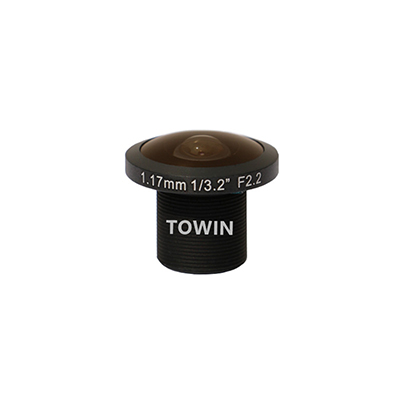
IR corrected 1.17mm M12 Fisheye CCTV lens
What to Consider When Using Fisheye Lenses with Image Stabilization
1. Compatibility
Before you purchase a fisheye lenses with image stabilization, it’s important to ensure that the lens is compatible with your camera model. Not all fisheye lenses come with built-in image stabilization, so it’s essential to choose one that fits your gear.
2. Price
Lenses with image stabilization tend to be more expensive than their non-stabilized counterparts. However, the added benefits—such as clearer, more stable shots—can make the investment worthwhile for those who frequently shoot in challenging environments.
3. Power Consumption
Image stabilization requires additional power, which can affect your camera’s battery life. While this is not usually a major concern for short shoots, photographers should be aware that prolonged use of image-stabilized lenses may require extra battery management.
How Does Image Stabilization Work with a Fisheye Lens?
Image stabilization in a fisheye lens works by compensating for slight movements in the camera. There are two main types of image stabilization used in lenses: optical stabilization and sensor-shift stabilization.
- Optical Stabilization: This system compensates for camera shake by shifting lens elements inside the lens barrel. It’s effective for stabilizing handheld shots.
- Sensor-Shift Stabilization: In this system, the camera’s sensor moves to compensate for shake. While this is more common in body-integrated stabilization systems, it can also work in tandem with lenses that feature stabilization.
When using a Fisheye Lenses with Image Stabilization, either of these stabilization types helps maintain the sharpness and clarity of your shots while reducing motion blur.

Fisheye CCTV Lens
FAQs
Can I use a fisheye lens without image stabilization?
Yes, you can use a fisheye lens without image stabilization. However, you may notice that camera shake becomes more pronounced, especially when shooting handheld or in low-light conditions. The image quality might suffer due to motion blur in these situations.
How does image stabilization affect video quality?
Image stabilization is crucial for maintaining smooth footage when filming with a fisheye lens. Without it, you might encounter jerky or shaky video, especially during panning or moving shots. Stabilization ensures your video has a polished, professional look.
Are fisheye lenses with image stabilization worth the price?
For photographers and videographers who frequently work in unstable conditions or require precise shots, a Fisheye Lenses with Image Stabilization is a worthwhile investment. The benefits of clearer, sharper images, along with improved video quality, can significantly enhance your work.
How can I find the best fisheye lenses with image stabilization?
To find the best fisheye lenses with image stabilization, look for well-reviewed options from reputable brands like Canon, Nikon, or Sigma. Make sure the lens is compatible with your camera model and fits within your budget. Reading user reviews can also help you determine the performance and durability of the lens.
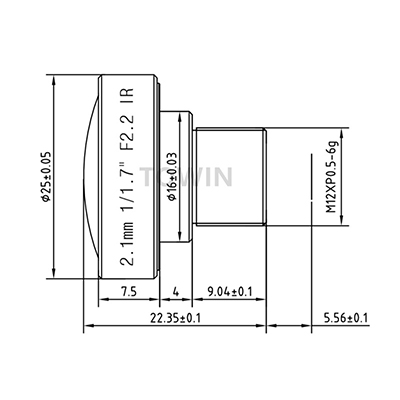
Fisheye CCTV lens IR corrected 1/1.8″ M12 lens
Conclusion
The Fisheye Lens with Image Stabilization offers an unbeatable combination for photographers and videographers seeking both creative expression and technical precision. Whether you’re shooting wide-angle landscapes, dramatic architecture, or dynamic action shots, this lens ensures that your images and videos remain clear, sharp, and stable.