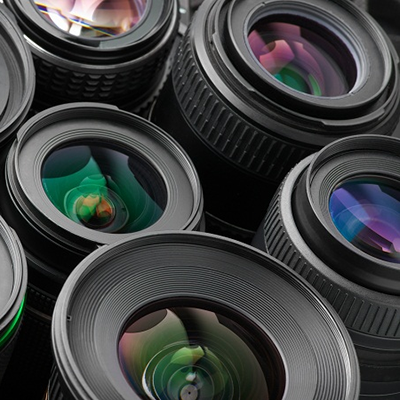



C-Mount lens specifications explained
11/19/2025
M12 S-mount wide angle CCTV board lens
11/19/2025
Thermal imaging technology has revolutionized industries ranging from security and surveillance to automotive and industrial automation. At the heart of this innovation lies a critical component: Thermal Imaging M12 Lenses. These compact, high-performance lenses are designed to optimize thermal cameras, delivering unmatched clarity and reliability in extreme conditions.
Why Thermal Imaging M12 Lenses Matter
Thermal Imaging M12 Lenses are engineered to focus infrared radiation onto thermal sensors, converting heat signatures into detailed images. Unlike traditional optical lenses, they operate without relying on visible light, making them ideal for low-light or obscured environments. Their M12 thread mount—a standardized 12mm diameter—ensures compatibility with a wide range of thermal cameras, from compact drones to heavy-duty security systems.
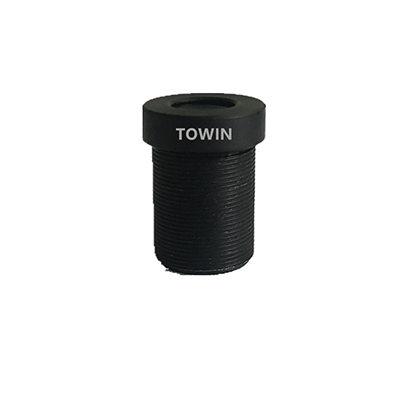
CCTV 6mm M12 board lens
Key Features of Thermal Imaging M12 Lenses
1. High Thermal Sensitivity:
Thermal Imaging M12 Lens are crafted from materials like germanium or chalcogenide glass, which transmit infrared wavelengths (8–14 μm) with minimal loss. This ensures even subtle temperature differences are captured, enabling early fault detection in machinery or human presence in total darkness.
2. Compact and Lightweight Design:
The M12 format balances portability with performance. These lenses weigh just a few grams, making them perfect for drones, handheld devices, and wearable thermal cameras.
3. Wide Field of View (FOV) Options:
From narrow 10° lenses for long-range surveillance to 90° lenses for panoramic views, Thermal Imaging M12 Lens cater to diverse needs. For example, a 35° FOV lens might monitor a warehouse perimeter, while a 15° lens tracks wildlife from miles away.
4. Athermal Design:
Temperature fluctuations can warp lens materials, but Thermal Imaging M12 Lens use athermal coatings or hybrid designs to maintain focus across environments. This eliminates the need for manual recalibration, saving time and costs.
5. IP67/IP69K Ratings:
Many models are sealed against dust and water, ensuring reliability in rain, sandstorms, or high-pressure washdowns.
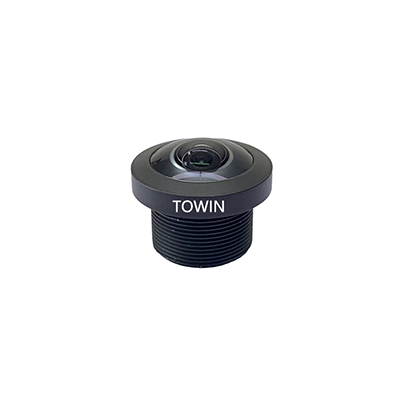
Fisheye lens 1/3″ Φ3 210° HD M12 mount lens
Applications of Thermal Imaging M12 Lens
1. Security & Surveillance:
Thermal cameras with M12 lenses detect intruders through fog, smoke, or foliage, providing 24/7 perimeter protection.
2. Automotive Safety:
Advanced driver-assistance systems (ADAS) use these lenses to identify pedestrians, animals, or obstacles in low-visibility conditions.
3. Industrial Automation:
Predictive maintenance systems rely on thermal imaging to spot overheating components before they fail, reducing downtime.
4. Firefighting & Search and Rescue:
Thermal Imaging M12 Lens help locate victims in smoke-filled buildings or track missing persons in wilderness areas.
Choosing the Right Thermal Imaging M12 Lens
Selecting the ideal lens depends on your specific requirements:
- Resolution: Higher-resolution sensors (e.g., 640×480) benefit from lenses with lower f-numbers (e.g., f/1.0) to maximize light gathering.
- Focal Length: Short focal lengths (e.g., 6mm) suit close-range applications, while long focal lengths (e.g., 75mm) excel in distant surveillance.
- Environmental Sealing: If exposure to moisture or debris is likely, prioritize lenses with IP67 or higher ratings.
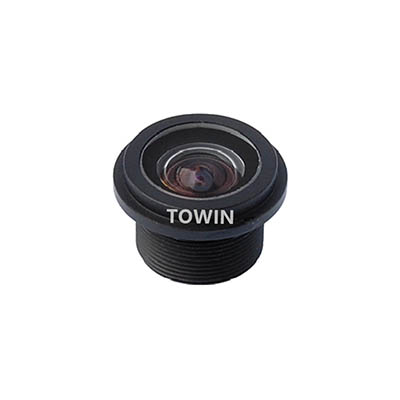
1.5mm F2.0 M12 Mount Automotive lens
FAQs
How do Thermal Imaging M12 Lens differ from standard optical lenses?
Thermal Imaging M12 Lenses are designed to transmit infrared radiation, whereas standard lenses focus visible light. They also use specialized materials like germanium to handle heat signatures effectively.
Can Thermal Imaging M12 Lens work in complete darkness?
Yes! Since they detect heat rather than light, they function perfectly in pitch-black environments, making them ideal for nighttime surveillance or cave exploration.
What is the lifespan of a Thermal Imaging M12 Lens?
With proper care, these lenses can last decades. Their rugged construction resists scratches, moisture, and thermal shock, ensuring long-term reliability.
Are Thermal Imaging M12 Lens expensive?
Prices vary based on features like FOV, resolution, and environmental ratings. However, their durability and low maintenance costs often justify the investment compared to cheaper, less reliable alternatives.
Can I use Thermal Imaging M12 Lens with any thermal camera?
Most thermal cameras with an M12 mount can accommodate these lenses. Always check compatibility with your camera’s sensor size and thread specifications.
Conclusion
As industries demand greater precision and resilience, Thermal Imaging M12 Lenses continue to evolve. Innovations like motorized focus adjustment and AI-driven image enhancement are pushing boundaries, enabling smarter, faster decision-making.