



Low-Distortion Lenses in Machine Vision
11/18/2025
Affordable CS-Mount lenses for CCTV systems
11/18/2025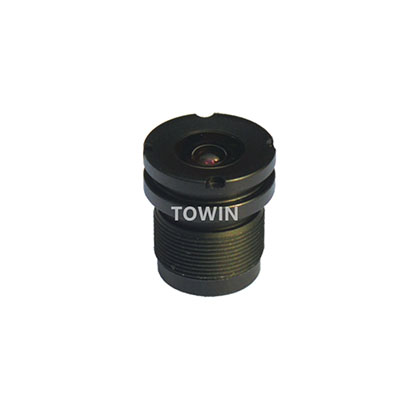
In today’s rapidly advancing automotive industry, technology plays a pivotal role in enhancing both safety and driver experience. One of the most innovative components contributing to these advancements is the automotive camera lens. Whether it’s for parking assistance, collision avoidance, or autonomous driving systems, Automotive lens have become an integral part of modern vehicles.
What is an Automotive Camera Lens?
An automotive camera lens is a specialized lens designed for use in vehicle-mounted cameras. These lenses are built to withstand the harsh conditions of the automotive environment, such as extreme temperatures, vibrations, and exposure to dirt and moisture. The lens is key to driver-assistance systems (ADAS), including rearview cameras, lane departure warnings, and parking sensors. With the growing trend towards semi-autonomous and fully autonomous vehicles, the automotive camera lens is becoming more important than ever.
The Role of Automotive Camera Lenses in Vehicle Safety
Automotive camera lenses are crucial in helping drivers and vehicles navigate the roads safely. These lenses are integral to several safety features that make driving easier and more secure. Here are a few key applications of automotive camera lenses:
- 1. 360-degree View Systems: Automotive camera lenses enable panoramic views, giving drivers a comprehensive picture of their surroundings. This is particularly useful for parking and low-speed maneuvers.
- 2. Lane-Departure Warning: The cameras equipped with automotive lenses help monitor lane markings to alert drivers when they unintentionally drift out of their lane.
- 3. Adaptive Cruise Control: Camera systems, using automotive lenses, detect vehicles ahead and adjust the car’s speed accordingly for safe and efficient driving.
- 4. Night Vision: Automotive lenses are designed to perform well in low-light conditions, ensuring drivers have enhanced visibility even at night or in adverse weather conditions.
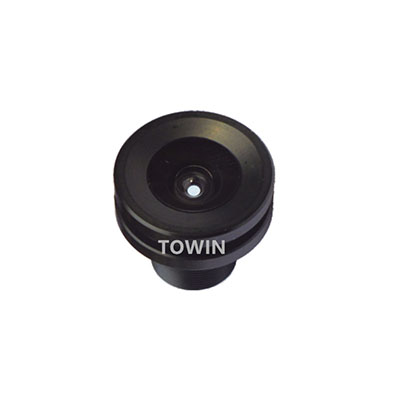
IP67 Automotive M8-Mount wide angle lens
Types of Automotive Camera Lenses
There are various types of automotive camera lenses, each designed for specific functions and systems within a vehicle. Here are the most commonly used types:
- Wide-Angle Lenses: These lenses capture a broad field of view, making them ideal for parking sensors and 360-degree camera systems. They allow for better visibility of the vehicle’s surroundings.
- Telephoto Lenses: Telephoto automotive lenses are used for systems such as adaptive cruise control, where long-range detection is necessary.
- Fish-Eye Lenses: A fish-eye lens is commonly used in side-view or rearview cameras to provide a wide panoramic view, especially useful in low-speed parking situations.
Why Are Automotive Camera Lenses So Important?
As vehicles continue to evolve, the role of automotive camera lenses has expanded beyond just providing visibility. With the introduction of autonomous vehicles, these lenses are now key to enabling self-driving capabilities. The lenses are used in conjunction with sensors and software to give the vehicle a “sight” of its environment, helping it make real-time decisions, such as avoiding obstacles or adjusting speed based on traffic conditions.
Benefits of Automotive Camera Lenses
The benefits of automotive camera lenses extend beyond improving safety; they also enhance the overall driving experience. Here are some key advantages of automotive camera lenses:
- Enhanced Safety: Camera systems help prevent accidents by offering real-time monitoring and alerting drivers to potential hazards.
- Increased Convenience: Features like automatic parking assistance, blind-spot monitoring, and collision detection make driving easier and less stressful.
- Autonomous Driving: As vehicles transition towards full autonomy, automotive camera lenses are a vital part of the technology stack that enables self-driving cars to navigate safely.
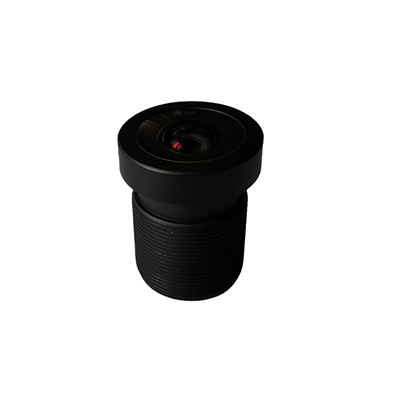
12MP Waterproof IP67 Automotive lens
FAQs
What makes automotive camera lenses different from regular camera lenses?
Automotive camera lenses are specifically designed to operate in a high-performance environment. They are built to endure temperature fluctuations, vibration, and exposure to dirt and moisture. These lenses also have features such as a wide-angle field of view and high resolution to ensure they capture a clear, detailed image in various conditions.
How do automotive camera lenses contribute to self-driving cars?
In autonomous vehicles, automotive camera lenses work alongside other sensors like radar and LiDAR to provide a comprehensive view of the surroundings. They are essential for detecting objects, pedestrians, and traffic signals, allowing the vehicle to make decisions in real-time and navigate safely without human intervention.
Can automotive camera lenses be repaired or replaced?
Yes, automotive camera lenses can be repaired or replaced if damaged. However, due to their integration into complex systems, it is recommended that repairs or replacements be carried out by professionals to ensure the vehicle’s safety systems remain intact.
How do automotive camera lenses perform in low light?
Automotive camera lenses are designed to perform well in low-light conditions. Many of these lenses are equipped with infrared or enhanced sensors to improve visibility during night driving or in poor weather conditions like fog and rain.
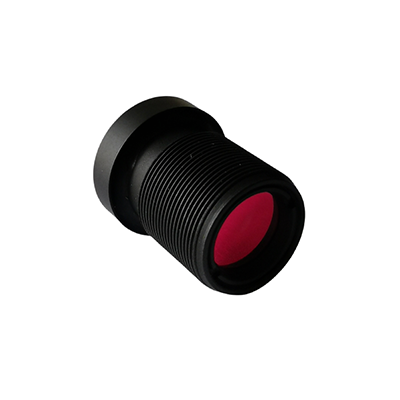
IP67 6mm Waterproof Automotive Wide-Angle Lenses
Conclusion
The automotive camera lens is an essential part of modern vehicle safety and performance. As the automotive industry continues to innovate, these lenses play a critical role in ensuring the safety, efficiency, and convenience of both drivers and passengers. From assisting with parking to enabling self-driving capabilities, the importance of automotive camera lenses cannot be overstated.