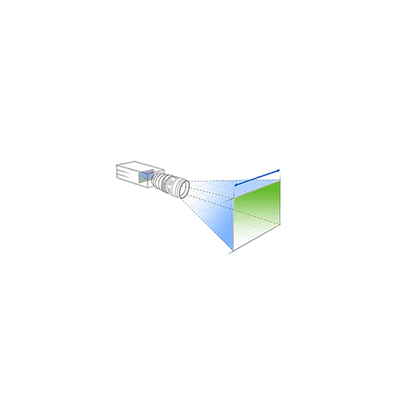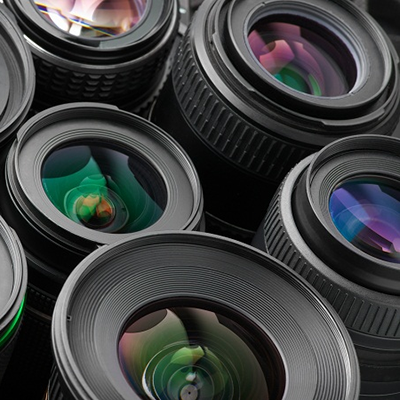



200mm Hyper-Telecentric Lens
11/14/2025
Which Cameras Support Fisheye Lens?
11/14/2025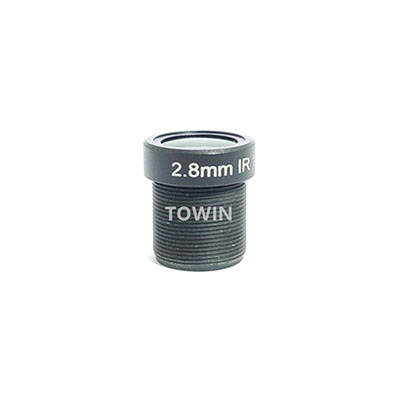
When setting up a CCTV system for your home or business, selecting the right lens is essential to ensure optimal security coverage. One of the critical choices you’ll encounter is deciding between wide-angle and telephoto CCTV lenses. These two types of lenses serve different purposes and are suitable for various surveillance scenarios.
Understanding CCTV Lenses: The Key to Better Surveillance
The lens on your CCTV camera plays a pivotal role in the quality and scope of the images or footage captured. A lens controls the focal length, which directly affects the field of view (FoV) and the level of detail the camera can capture. Depending on your surveillance requirements, you can choose between two primary types of CCTV lenses: wide-angle and telephoto.
Wide-Angle CCTV Lenses: A Broader Field of View
Wide-angle lenses are designed to provide a broader field of view, typically ranging from 60° to 120°. This makes them ideal for monitoring large areas or spaces where a wide coverage area is essential. Let’s break down the key features of wide-angle CCTV lenses:
Advantages of Wide-Angle CCTV Lenses:
- Increased Coverage: The wider the lens, the more area the camera can monitor. This is perfect for large open spaces like parking lots, backyards, or store entrances.
- Low-Light Performance: Wide-angle lenses tend to perform better in low-light conditions, making them a good choice for areas with limited lighting.
- Cost-Effective: In many cases, wide-angle lenses are less expensive than telephoto lenses, making them a budget-friendly option for large-scale surveillance systems.
Disadvantages of Wide-Angle CCTV Lenses:
- Reduced Detail at a Distance: While they capture a wide area, they might lack the level of detail needed for long-range surveillance. This can be a problem if you need to capture fine details such as faces or license plates from a distance.
- Distortion: Wide-angle lenses may cause image distortion, especially on the edges of the frame. This could result in a “fisheye” effect, making it difficult to capture accurate images.
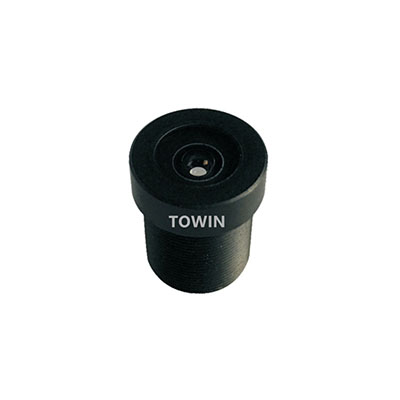
3.6mm-M12-Wide-Angle CCTV Lens
Telephoto CCTV Lenses: Zooming in for Greater Detail
On the other hand, telephoto CCTV lenses are designed to provide a narrow field of view with high magnification. This allows the camera to focus on distant objects, making them suitable for long-range surveillance. These lenses have a longer focal length, typically ranging from 50mm to 500mm, depending on the camera system.
Advantages of Telephoto CCTV Lenses:
- Long-Range Surveillance: Telephoto lenses are ideal for monitoring specific targets at a distance, such as monitoring a building entrance, a street corner, or a remote perimeter.
- High Detail: Telephoto lenses provide sharp, detailed images of objects at a far distance, allowing you to clearly see faces, license plates, and other important details.
- Reduced Distortion: Unlike wide-angle lenses, telephoto lenses typically produce less distortion, ensuring that the images are accurate and clear.
Disadvantages of Telephoto CCTV Lenses:
- Limited Field of View: Telephoto lenses focus on specific areas, meaning they cannot capture a wide field of view. This makes them less suitable for covering large spaces.
- Higher Cost: Due to their complexity and magnification capabilities, telephoto lenses tend to be more expensive than wide-angle lenses.
- Low-Light Performance: Telephoto lenses may struggle in low-light conditions, requiring additional lighting to capture clear images.

12-50mm-P-Iris-Telephoto CCTV-lens
Wide-Angle vs. Telephoto CCTV Lenses: Which One Should You Choose?
Now that we have examined the characteristics of both wide-angle and telephoto CCTV lenses, you may still be wondering which one is best suited for your security system. The answer depends on the specific needs of your surveillance environment.
- Use a wide-angle CCTV lens if you need to cover a large area with general surveillance. These lenses are perfect for monitoring parking lots, entrances, or the interior of a building where you want to capture a broad scene.
- Opt for a telephoto CCTV lens if your goal is to focus on distant objects or areas with a high level of detail. These lenses are ideal for monitoring faraway locations, such as building perimeters or busy street corners where you need to zoom in on specific targets.
FAQs
1. What is the main difference between wide-angle and telephoto CCTV lenses?
Wide-angle lenses provide a broader field of view, making them suitable for large area surveillance, while telephoto lenses are designed for zooming in on distant objects and providing more detailed images.
2. Which CCTV lens is better for night surveillance?
Wide-angle CCTV lenses tend to perform better in low-light conditions, making them more suitable for night surveillance in areas with minimal lighting.
3. Can I use both wide-angle and telephoto CCTV lenses in the same system?
Yes, many CCTV systems allow you to combine both types of lenses to achieve a balance between wide coverage and detailed surveillance. You can use wide-angle lenses for general monitoring and telephoto lenses for focused, long-range observation.
4. Are telephoto CCTV lenses worth the extra cost?
If your surveillance needs require long-range detail, such as identifying faces or license plates, a telephoto lens may be worth the investment. However, for broader surveillance with less focus on detail, a wide-angle lens may be sufficient.
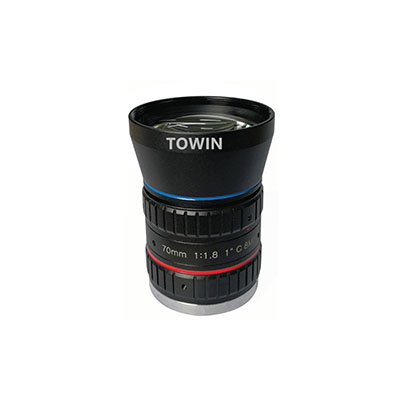
70mm C-mount Telephoto CCTV Lens
Conclusion
In conclusion, choosing between wide-angle vs. telephoto CCTV lenses ultimately comes down to your specific surveillance needs. Wide-angle lenses are ideal for broad coverage, while telephoto lenses excel at capturing distant details.