


EU-compliant optical lens supplier
11/07/2025
CCTV Varifocal IR Corrected Lens
11/07/2025
M12 lenses, named for their 12mm-diameter threaded mount, are revolutionizing compact imaging systems across industries. These miniature optical powerhouses balance size, performance, and versatility, making them indispensable in applications where space is premium but clarity is non-negotiable.
What are M12 Lenses?
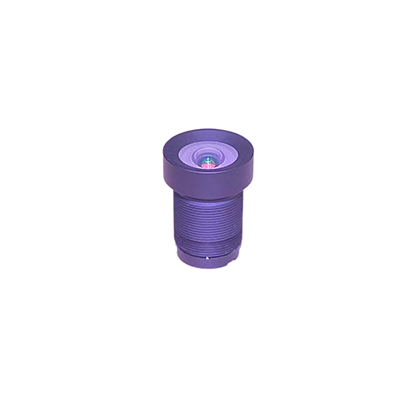
M12 lenses, also known as S-mount lenses, are miniature optical components designed with a 12mm mounting thread diameter. Their compact size makes them ideal for applications where space is limited, yet high-quality imaging is critical. These lenses are commonly used in board-level cameras, machine vision systems, and IoT devices, where their small footprint doesn’t compromise performance.
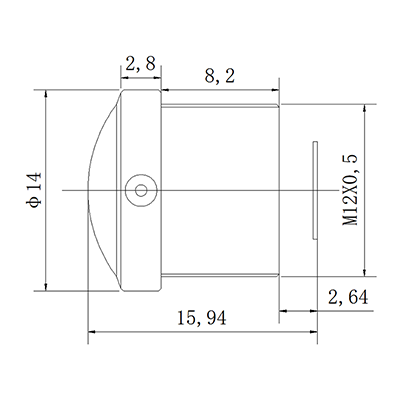
The “M12” designation refers to the metric thread size (M12 x 0.5), which standardizes compatibility across devices. This universality ensures seamless integration into various systems, reducing development time and costs.
Key Features of M12 Lenses
1. Compact Design:
M12 lenses are engineered to fit into tight spaces without sacrificing optical clarity. Their lightweight build makes them perfect for portable or embedded systems.
2. High Resolution:
Despite their size, M12 lenses deliver sharp images with minimal distortion, thanks to advanced lens coatings and precision engineering.
3. Versatility:
Available in fixed-focal and varifocal variants, M12 lenses cater to diverse needs, from static surveillance to dynamic robotics applications.
4. Cost-Effectiveness:
Their mass-produced nature and standardized design make M12 lenses more affordable than larger, custom-built alternatives.
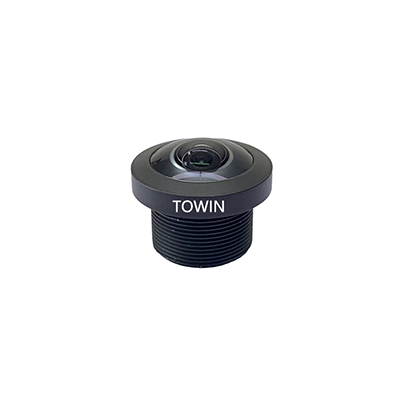
Fisheye lens 1/3″ Φ3 210° HD M12 mount lens
Applications of M12 Lenses
What are M12 lenses used for? Their versatility spans multiple industries:
1. Surveillance Systems:
M12 lenses are a staple in security cameras, providing wide-angle views in compact housings. Their ability to capture clear images in low light makes them indispensable for 24/7 monitoring.
2. Industrial Automation:
In manufacturing, M12 lens power machine vision systems that inspect products for defects. Their precision ensures accurate quality control, reducing waste and improving efficiency.
3. Robotics and Drones:
Autonomous vehicles and drones rely on M12 lens for navigation and obstacle detection. Their compact size allows integration into small sensors without adding bulk.
4. Medical Devices:
Endoscopes and other minimally invasive tools use M12 lens to transmit high-definition images, aiding in diagnostics and surgeries.
Advantages of M12 Lenses Over Traditional Options
When comparing what are M12 lens to bulkier alternatives, several benefits stand out:
1. Space Efficiency:
Traditional lenses often require large housings, limiting design flexibility. M12 lens eliminate this issue, enabling sleeker, more innovative products.
2. Lower Power Consumption:
Smaller lenses need less light to function, reducing the energy demands of imaging systems. This is crucial for battery-powered devices like drones.
3. Easier Integration:
The standardized M12 thread simplifies mounting and alignment, speeding up prototyping and production.

M12 S-Mount wide-angle lenses
How to Choose the Right M12 Lens
Selecting the perfect M12 lens involves evaluating several factors:
1. Focal Length:
Determine the distance between the lens and the sensor. Shorter focal lengths offer wider fields of view, while longer ones provide magnification.
2. Aperture Size:
A larger aperture (lower f-number) lets in more light, improving performance in low-light conditions. However, it may increase cost and size.
3. Image Circle:
Ensure the lens’s image circle matches or exceeds the sensor size to avoid vignetting (dark corners in images).
4. Mount Type:
While M12 lens use a standard thread, some applications may require additional adapters or locking mechanisms for stability.
Towin’s M12 Lenses: Engineering Excellence
Towin’s M12 lens lineup exemplifies innovation tailored to industry demands:
- TL-M12F1.8/2.7MM: Ultra-wide 160° FOV with F1.8 aperture, optimized for drone mapping and panoramic surveillance.
- TL-M12F2.8/12MM: Mid-range lens with IR-cut filter, reducing chromatic aberration in night-vision applications.
- TL-M12F2.0/5MM: Low-distortion (<0.3%) design for machine vision systems in semiconductor manufacturing.
Key Differentiators:
- Aspherical Elements: Reduce spherical aberration, enhancing edge sharpness.
- Multi-Coating: Minimizes flare and ghosting, crucial for outdoor cameras facing direct sunlight.
- Customization: Towin offers lens tuning for specific wavelengths (e.g., 850nm IR for license plate readers).
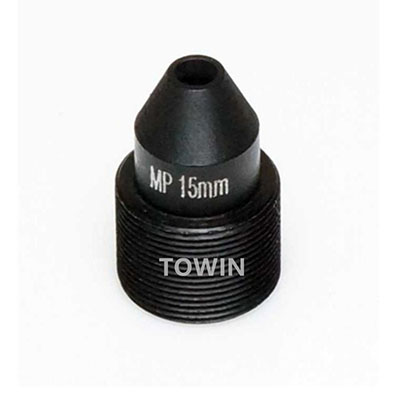
Pinhole 10mm IR corrected CCTV M12 lenses
FAQs
1. What is the difference between M12 and C-mount lenses?
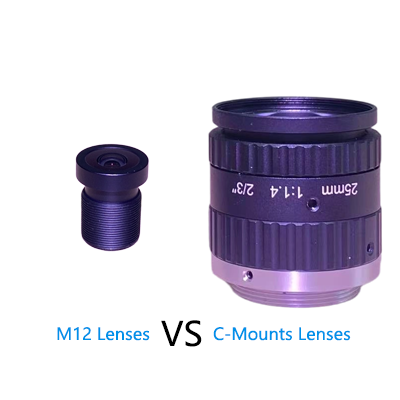
M12 lens use a 12mm thread, while C-mount lenses have a 1-inch (25.4mm) thread. M12 lens are smaller and lighter, making them better suited for compact systems.
2. Are M12 lens waterproof?
Some M12 lens come with IP ratings for dust and water resistance, but not all. Verify the lens’s specifications if exposure to moisture is a concern.
3. Can M12 lens work with any camera?
M12 lens require compatible sensor sizes (e.g., 1/2.5” for 2.7mm focal length). Using a lens designed for a larger sensor on a smaller one may cause vignetting. Always verify the image circle diameter in the lens specs.
4. Are M12 lens suitable for professional filmmaking?
While M12 lens excel in fixed-position applications (e.g., security, industrial inspection), their limited aperture range (typically F1.8–F4.0) and manual focus make them less ideal for dynamic cinematography. However, they’re popular in action cameras for their compact size.
5. What maintenance do M12 lens require?
Regularly clean the front element with a microfiber cloth to remove dust. For outdoor use, check for condensation inside the lens housing, which may indicate a compromised seal.
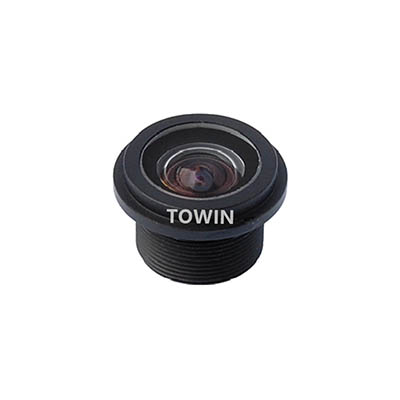
1.5mm F2.0 M12 Mount Automotive lenses
Conclusion
What are M12 lenses if not the backbone of modern compact vision systems? Their blend of affordability, durability, and optical precision positions them as critical components in smart cities, Industry 4.0, and consumer electronics. Towin’s relentless innovation in this space ensures that even the smallest devices can “see” with uncompromising clarity.