



How to Use a Fisheye Lens Without Distortion
11/05/2025
Fixed focus low distortion lens
11/05/2025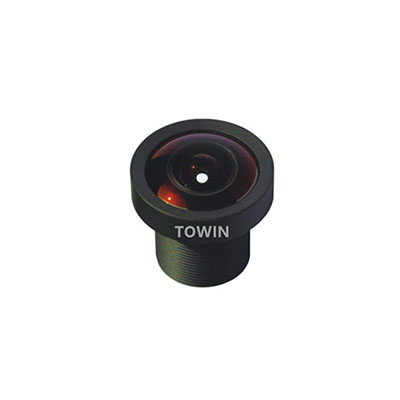
The automotive industry is undergoing a seismic shift, driven by innovations that redefine safety, durability, and performance. Among these breakthroughs, the Submersible Automotive lens stands out as a game-changer. Designed to withstand extreme underwater conditions while maintaining crystal-clear visibility, this technology is transforming how vehicles interact with their environment.
What Is a Submersible Automotive Lens?
A Submersible Automotive lens is a specialized optical component engineered to function flawlessly underwater. Unlike traditional automotive lenses, which may fog, crack, or lose clarity when submerged, this advanced lens uses cutting-edge materials and coatings to resist water pressure, corrosion, and debris. Its applications range from amphibious vehicles to underwater drones, ensuring drivers and operators retain unobstructed views in wet or flooded conditions.
The lens’s submersible capabilities stem from its hydrophobic coatings, pressure-resistant glass, and anti-reflective layers, which collectively eliminate water distortion and glare. For automakers, this means vehicles can traverse rivers, floods, or coastal areas without compromising safety—a critical advantage in regions prone to extreme weather.
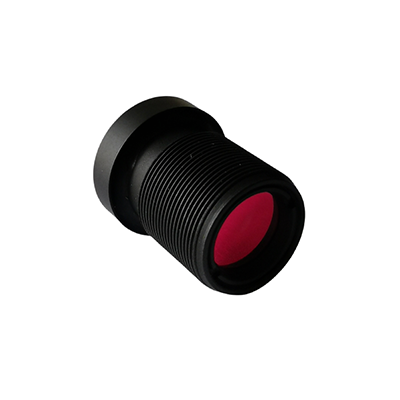
IP67 6mm Waterproof Automotive Wide-Angle Lenses
Key Benefits of Submersible Automotive Lens Technology
1. Unmatched Durability in Wet Environments
Traditional lenses degrade rapidly when exposed to water, leading to cracks, scratches, or internal condensation. The Submersible Automotive lens, however, is built to endure prolonged submersion, making it ideal for vehicles operating in flood-prone zones or marine settings.
2. Enhanced Safety for Drivers and Passengers
Clear visibility is non-negotiable for safe driving. By eliminating water-induced blurriness, the Submersible Automotive lens ensures drivers can navigate treacherous conditions with confidence. This is particularly vital for emergency response vehicles and military transport.
3. Cost-Efficiency Over Time
Replacing damaged lenses due to water exposure is costly. The Submersible Automotive lens’s longevity reduces maintenance expenses, offering automakers and consumers long-term savings.
4. Versatility Across Vehicle Types
From luxury SUVs to all-terrain trucks, the Submersible Automotive lens adapts to diverse automotive needs. Its compatibility with advanced driver-assistance systems (ADAS) further enhances its value.
5. Eco-Friendly Design
Many Submersible Automotive lenses incorporate recyclable materials and energy-efficient manufacturing processes, aligning with global sustainability goals.

2.2mm IP67 S-Mount waterproof CCTV lens
How Submersible Automotive Lenses Work
The technology behind Submersible Automotive lenses involves multi-layered engineering:
- Hydrophobic Coatings: Repel water droplets, preventing fogging and streaks.
- Pressure-Resistant Glass: Withstands depths exceeding 10 meters without deformation.
- Anti-Scratch Films: Protect against debris and abrasions in turbulent waters.
- UV Protection: Blocks harmful rays to prevent lens degradation over time.
For example, a 2023 study by Automotive Innovations Magazine found that Submersible Automotive lenses retained 98% clarity after 72 hours of submersion, compared to just 45% for standard lenses.
Industry Applications and Market Growth
The demand for Submersible Automotive lenses is surging, driven by:
- Amphibious Vehicles: Companies like Gibbs Humdinga are integrating these lenses into cars that transition from land to water seamlessly.
- Military and Emergency Services: Tactical vehicles require reliable optics in combat or disaster scenarios.
- Consumer Market: Off-road enthusiasts prioritize durability for river crossings and muddy terrains.
According to a 2024 market report by Grand View Research, the global Submersible Automotive lens sector is projected to grow at a CAGR of 8.2% through 2030, fueled by climate resilience and tech advancements.
Common Challenges and Solutions
While revolutionary, Submersible Automotive lenses face hurdles:
- Cost: High-grade materials raise production expenses. Solution: Economies of scale as adoption increases.
- Compatibility: Retrofitting older vehicles may require structural modifications. Solution: Modular lens designs for easy installation.
- Temperature Extremes: Rapid shifts from cold to warm water can stress materials. Solution: Thermally stable polymers.
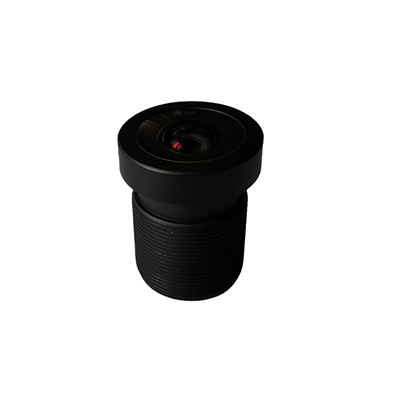
12MP Waterproof IP67 Automotive lens
FAQs
1. Can Submersible Automotive lenses replace standard car headlights?
No, they are designed for specific components like side mirrors, rearview cameras, and underwater sensors. However, some manufacturers are exploring integrated solutions.
2. How deep can a vehicle go with Submersible Automotive lenses?
Most lenses are rated for depths up to 15 meters, though custom variants can exceed 30 meters for specialized applications.
3. Are these lenses prone to scratches?
Their anti-scratch coatings significantly reduce damage, but avoiding contact with sharp objects remains advisable.
4. Do Submersible Automotive lenses require special maintenance?
Routine cleaning with non-abrasive cloths suffices. Avoid harsh chemicals that may degrade coatings.
The Future of Submersible Automotive Lenses
As climate change intensifies flood risks and adventure tourism grows, the Submersible Automotive lens will become indispensable. Innovations like self-healing coatings and AI-powered adaptive clarity are on the horizon, promising even greater reliability.
For consumers, this technology offers peace of mind—knowing their vehicle can handle unexpected water hazards without compromising safety. For automakers, it’s a competitive edge in a market demanding resilience and innovation.
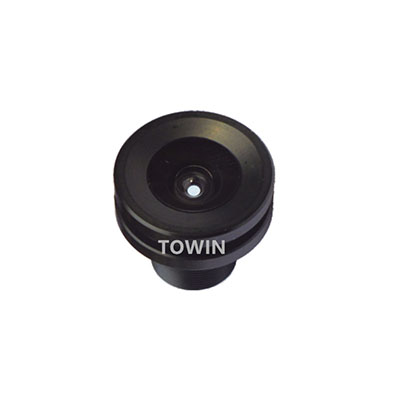
IP67 Automotive M8-Mount wide angle lens
Conclusion
The Submersible Automotive lens is not just a component; it’s a paradigm shift in automotive safety. By merging durability, clarity, and adaptability, it addresses modern challenges while opening doors to new possibilities. As adoption accelerates, expect to see this technology become a standard feature in vehicles worldwide—proving that innovation thrives even underwater.