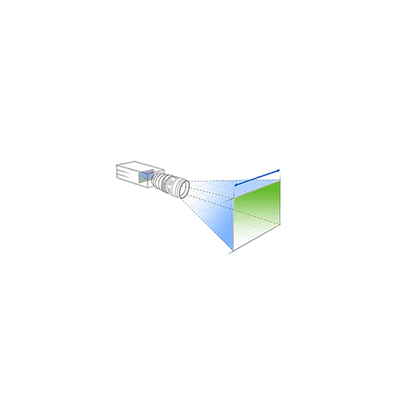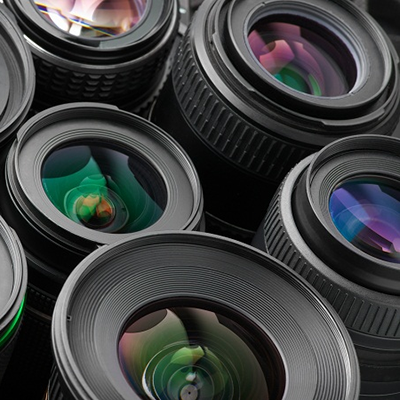



3mm FA Lens: Ultra-Wide Industrial Vision
10/09/2025
Small MOQ optical lens supplier
10/09/2025
In an era where visual precision is non-negotiable, the demand for advanced optical solutions has skyrocketed. Whether you’re a professional photographer, a tech enthusiast, or someone who values flawless vision, the anti-reflective low distortion lens stands out as a revolutionary innovation. Designed to minimize glare, enhance clarity, and maintain image integrity, these lenses are transforming industries from photography to augmented reality.
What Makes Anti-Reflective Low Distortion Lenses Stand Out?
The term “low distortion lens” refers to optical components engineered to reduce aberrations that warp or blur images. Traditional lenses often suffer from issues like chromatic aberration (color fringing), spherical aberration (blurry edges), or coma (streaked light points). A low distortion lens addresses these flaws by using advanced materials and precision manufacturing techniques.
When combined with anti-reflective coatings, these lenses achieve a dual-purpose masterpiece:
- Anti-reflective properties eliminate 99% of glare from surfaces like glass, water, or digital screens.
- Low distortion design ensures straight lines remain straight and details stay crisp, even at the edges of the frame.
This synergy makes the anti-reflective low distortion lens ideal for applications where accuracy and aesthetics matter most.
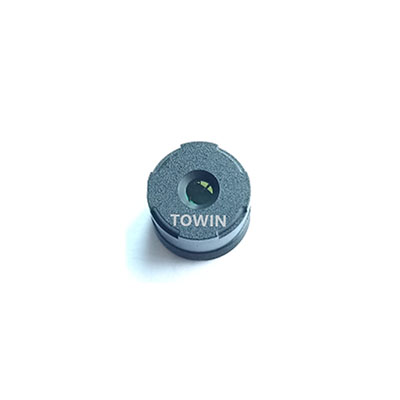
F2.0 low distortion M8 mount lens
Key Features of Anti-Reflective Low Distortion Lenses
- Multi-Layer Coatings: These lenses feature anti-reflective coatings that reduce light bounce-back, enhancing contrast and color accuracy.
- Aspherical Design: Unlike spherical lenses, aspherical elements correct distortion by varying curvature across the surface.
- Broadband Anti-Reflection: Effective across visible, UV, and infrared spectra, making them versatile for photography, microscopy, and industrial use.
- Durability: Scratch-resistant and hydrophobic coatings protect against environmental wear.
For example, companies like Zeiss and Nikon have integrated these technologies into their premium lens lines, offering photographers unparalleled sharpness.
Applications Across Industries
The versatility of anti-reflective low distortion lenses spans multiple sectors:
- Photography & Videography: Captures true-to-life colors and sharp details without distortion.
- Augmented Reality (AR): Ensures seamless overlay of digital content onto real-world views.
- Medical Devices: Enhances clarity in endoscopes, microscopes, and diagnostic tools.
- Automotive: Reduces glare in headlights and dashboards for safer driving.
Consumer Electronics: Improves screen visibility on smartphones, tablets, and VR headsets.
A study by MarketsandMarkets projects the global optical lens market to reach $28.7 billion by 2027, driven by demand for high-performance lenses like these.
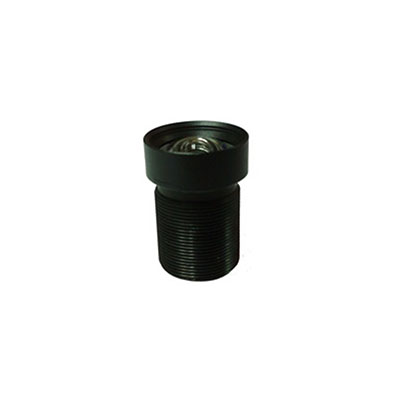
4mm low distortion IR Cut Filter S-Mount Lens
How to Choose the Right Anti-Reflective Low Distortion Lens
Selecting the perfect lens depends on your needs:
- Material: Glass lenses offer superior scratch resistance, while plastic lenses are lighter and cheaper.
- Coating Type: Single-layer coatings reduce basic glare; multi-layer coatings excel in extreme lighting.
- Wavelength Range: Broadband coatings suit professional photography, while narrowband options work for specific industrial tasks.
- Budget: Premium lenses cost more but deliver long-term value.
Pro tip: Always test lenses under real-world conditions. A lens that performs well in a lab may falter in bright sunlight or low light.
Maintenance Tips for Longevity
To maximize the lifespan of your anti-reflective low distortion lens:
- Clean gently with a microfiber cloth and lens-specific solution.
- Store in a protective case to avoid scratches.
- Avoid exposing lenses to extreme temperatures or moisture.
- Schedule professional cleaning every 6–12 months for heavy users.
FAQs
1. What is the difference between anti-reflective and anti-glare coatings?
Anti-reflective coatings minimize light reflection across all angles, while anti-glare coatings target specific light sources (e.g., overhead lights). The former is more comprehensive.
2. Can low distortion lenses be used for eyeglasses?
Yes! Many eyeglass manufacturers now offer anti-reflective low distortion lenses to reduce eye strain and improve visual comfort.
3. How do these lenses perform in low-light conditions?
Their multi-layer coatings enhance light transmission, making them ideal for nighttime driving or indoor photography.
4. Are they compatible with all camera types?
Most modern cameras support these lenses, but check compatibility with your specific model.
5. Where can I buy authentic anti-reflective low distortion lenses?
Purchase from reputable brands like Canon, Sony, or Zeiss, or authorized retailers. Avoid counterfeit products online.
6. Do these lenses require special care?
While not overly delicate, regular cleaning and proper storage will prolong their lifespan.
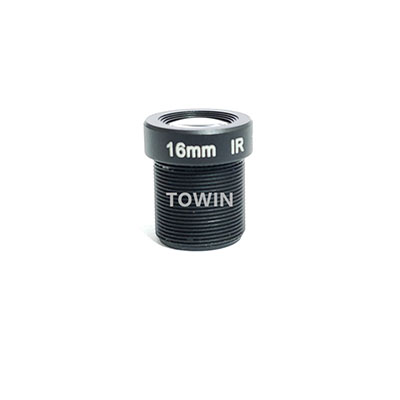
IR-corrected-Low-distortion-CCTV-16mm-M12-lens
Conclusion
In a world where visual fidelity matters more than ever, the anti-reflective low distortion lens emerges as a game-changer. By combining cutting-edge coatings with precision engineering, these lenses deliver unmatched clarity, durability, and versatility.