


Auto Iris F1.6 3MP C-mount IR corrected CCTV lens
09/15/2025
What Are IR-Corrected CCTV Lenses?
09/16/2025
OEM lenses with adjustable aperture settings are revolutionizing the way photographers and filmmakers approach their craft. These precision-engineered optics, designed by original equipment manufacturers (OEMs), combine reliability with creative flexibility, offering users unparalleled control over exposure and depth of field. Whether you’re shooting portraits, landscapes, or dynamic video content, integrating OEM lenses with adjustable aperture settings into your workflow can elevate your results to professional levels.
Why OEM Lenses with Adjustable Aperture Settings Stand Out
1. Precision Light Control
The adjustable aperture allows you to fine-tune the amount of light entering the lens, ensuring optimal exposure in diverse lighting conditions. Unlike fixed-aperture lenses, OEM models with variable settings (e.g., f/1.8 to f/22) let you adapt quickly to bright sunlight, low-light interiors, or artificial studio lighting. This flexibility reduces the need for post-processing adjustments, saving time and preserving image quality.

lens aperture
2. Creative Depth of Field
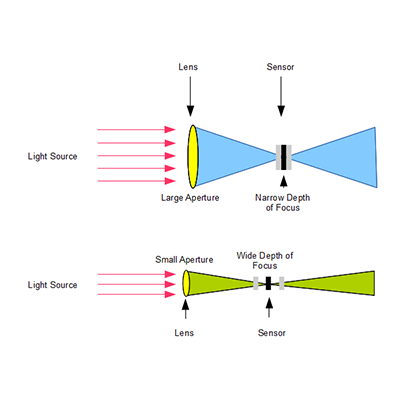
Aperture settings directly impact depth of field (DoF), determining how much of your image remains in focus. With OEM lenses, you can achieve buttery bokeh (shallow DoF) for portraits or crisp, edge-to-edge sharpness (wide DoF) for landscapes. This versatility is invaluable for storytelling, as it directs the viewer’s attention to key subjects while maintaining contextual clarity.
3. Cost-Effective Versatility
Investing in OEM lenses with adjustable aperture settings eliminates the need for multiple specialized lenses. A single high-quality OEM lens can replace several fixed-aperture models, reducing costs and gear bulk. For example, a 24-70mm f/2.8 OEM lens with adjustable aperture settings covers wide-angle to telephoto ranges, making it ideal for travel or event photography.
4. Durability and Reliability
OEM lenses are built to meet strict quality standards, ensuring consistent performance in demanding environments. Their adjustable aperture mechanisms are engineered for smooth, precise operation, minimizing wear and tear. This reliability is critical for professionals who rely on their gear day in and day out.
5. Seamless Integration with Modern Cameras
Many OEM lenses with adjustable aperture settings feature electronic contacts that communicate seamlessly with DSLR and mirrorless camera bodies. This compatibility enables automatic aperture adjustments, exposure metering, and even firmware updates, enhancing functionality over time. For a deeper dive into lens-camera compatibility, check out this guide from industry experts.
Optimal Aperture for Sharpness
Maximizing Your OEM Lens Investment
To get the most out of your OEM lenses with adjustable aperture settings, start by experimenting with aperture values in different scenarios. Use wider apertures (e.g., f/1.8) for low-light photography or artistic bokeh, and narrower apertures (e.g., f/16) for macro shots or sunset landscapes. Pair these settings with a sturdy tripod and manual focus for sharper results.
Recommended Reading: Why is my lens aperture stuck?
Conclusion
OEM lenses with adjustable aperture settings are a must-have for anyone serious about photography or videography. Their blend of precision, creativity, and durability makes them a cost-effective solution for professionals and enthusiasts alike. By mastering aperture control, you’ll unlock new possibilities in every shot, transforming ordinary scenes into extraordinary visuals. Ready to upgrade your kit?