


Glass pinhole lens
08/25/2025
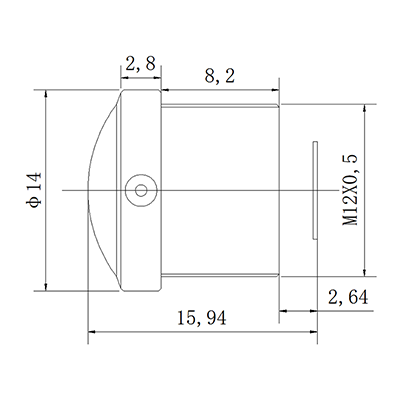
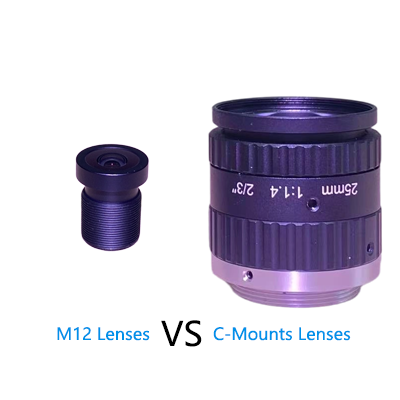
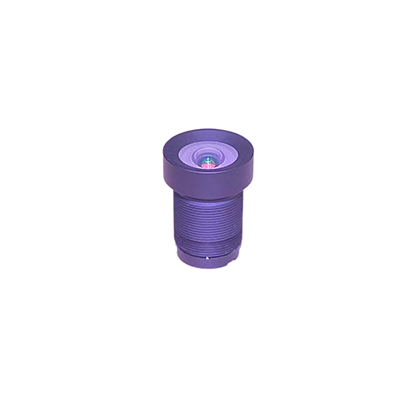
12mm Low distortion M12/S-mount board lens
08/25/2025
Aperture is one of photography’s most powerful yet misunderstood concepts. Whether you’re a beginner or an enthusiast, grasping aperture definition and function explained is essential for capturing sharp, visually compelling images.
1. What Is Aperture? A Precise Definition
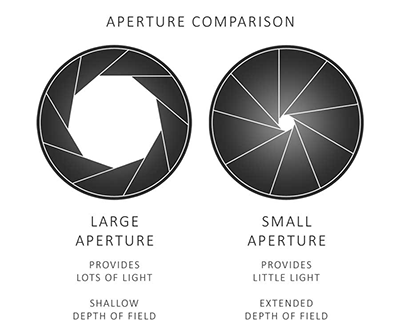
Aperture refers to the opening in a camera lens through which light passes to reach the sensor. Think of it as the pupil of an eye: it expands (widens) in low light to let in more light and contracts (narrows) in bright conditions to reduce light. This opening is measured in f-stops, a numerical system that might seem counterintuitive at first. For example, a lower f-stop like f/1.8 represents a wider aperture, while a higher f-stop like f/16 means a narrower opening.
The aperture’s size directly impacts two critical elements of photography: exposure (how bright or dark an image is) and depth of field (how much of the image is in focus). Understanding this duality is key to mastering aperture definition and function explained.
How Aperture Influences Sharpness
2. How Aperture Works: The Science Behind the F-Stop
Aperture blades, located inside the lens, form a diaphragm that adjusts its diameter. When you change the f-stop, these blades open or close, altering the light’s intensity. Here’s how it affects your photos:
- Light Control: A wider aperture (f/1.4–f/2.8) lets in more light, ideal for low-light scenarios like indoor events or night photography. Conversely, a narrow aperture (f/8–f/22) restricts light, preventing overexposure in bright daylight.
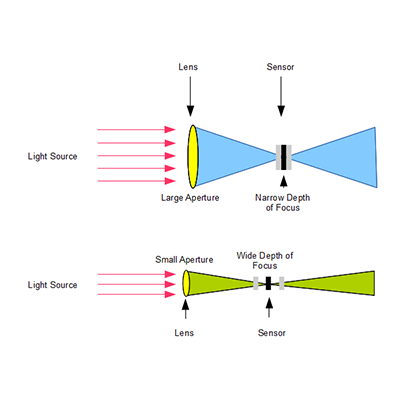
- Depth of Field (DoF): This is where aperture’s creative potential shines. A wide aperture creates a shallow DoF, blurring the background and isolating the subject (e.g., portraits with creamy bokeh). A narrow aperture increases DoF, keeping more of the scene sharp (e.g., landscapes).
3. Aperture’s Role in Exposure Triangle
Aperture doesn’t work alone—it’s part of the exposure triangle, alongside shutter speed and ISO. These three settings must balance to achieve a well-exposed image.
- Wide Aperture + Fast Shutter Speed: Perfect for freezing motion in low light (e.g., capturing a dancer indoors).
- Narrow Aperture + Slow Shutter Speed: Used in long-exposure photography to create silky waterfalls or star trails.
Optimal Aperture for Sharpness
4. Practical Applications: When to Use Different Apertures
Your choice of aperture depends on the scene and story you want to tell. Here are practical examples:
- Portraits: f/1.8–f/4 for soft backgrounds and sharp subject focus.
- Landscapes: f/8–f/16 to ensure everything from rocks to clouds is in focus.
- Macro Photography: f/5.6–f/11 to balance subject sharpness and background blur.
- Astrophotography: f/2.8 or wider to gather faint starlight.
5. Common Aperture Myths Debunked
Misconceptions about aperture can hinder your progress. Let’s clear them up:
Myth 1: “A wider aperture always produces better images.”
- Reality: While wide apertures create beautiful bokeh, they’re not ideal for all scenarios. For example, f/1.8 might leave your group photo with some faces blurred due to shallow DoF.
Myth 2: “Narrow apertures guarantee tack-sharp images.”
- Reality: Beyond f/11, diffraction (light scattering) can soften details, especially in low-resolution cameras. Test your lens’s “sweet spot” (often around f/8) for optimal sharpness.

aperture lenses
6. Advanced Tips: Hyperfocal Distance and Aperture
For landscape photographers, hyperfocal distance is a game-changer. This technique involves focusing at a specific distance where everything from half that point to infinity remains sharp. Narrow apertures (f/11–f/16) are typically used here.
7. Aperture in Video: Cinematic Depth of Field
Aperture isn’t just for photos—it’s equally vital in videography. Filmmakers use wide apertures (f/1.4–f/2.8) to create a cinematic look with shallow DoF, directing viewers’ attention to the subject. However, this requires precise focusing, as even slight movements can blur the subject.
Conversely, documentaries often use narrow apertures (f/5.6–f/8) to keep multiple people in focus during interviews. Recommended Reading: How does aperture work in photography?
Conclusion
Understanding aperture definition and function explained empowers you to control light, focus, and storytelling. Experiment with different f-stops, observe how they alter your images, and don’t fear breaking rules—creativity thrives on trial and error.