


Low-light CCTV lenses
08/15/2025
10-Megapixels Low distortion wide angle HD lens
08/15/2025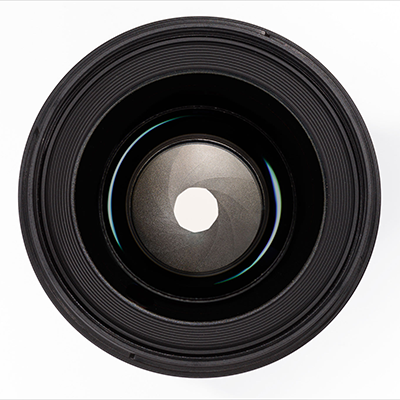
In the realm of photography, camera lenses are the gateway to capturing breathtaking moments with precision and artistry. Among the myriad of features that define a lens, the aperture range stands out as a critical factor influencing image quality, depth of field, and low-light performance.
Understanding Aperture in Camera Lenses
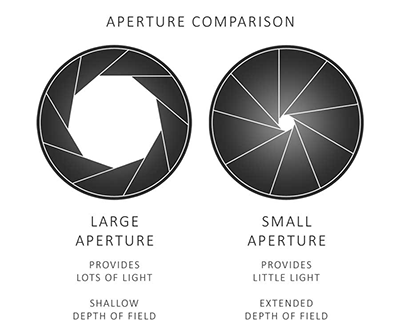
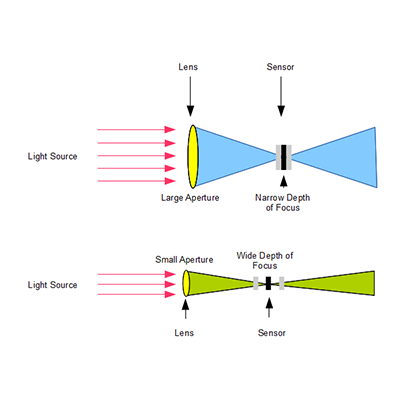
Before we embark on our comparison, it’s essential to grasp what aperture means in the context of camera lenses. Aperture refers to the opening within a lens through which light travels to enter the camera body. It’s measured in f-stops, such as f/1.4, f/2.8, f/4, and so on. A lower f-stop number means a wider aperture, letting more light in for low-light shots or shallow depth effects. Conversely, a higher f-stop number signifies a narrower aperture, limiting light intake but providing a broader depth of field, ideal for landscape photography where everything from foreground to background needs to be in sharp focus.
The Impact of Aperture Range on Photography
The aperture range of a camera lens dictates its versatility and adaptability across different shooting scenarios. A lens with a wide aperture range, say from f/1.4 to f/16, offers photographers the flexibility to control light and focus with precision. This versatility helps pros and enthusiasts try creative effects like bokeh or shoot sharp images in tough lighting.
How Aperture Influences Sharpness
Aperture Range Comparison in Camera Lenses
Now, let’s compare the aperture ranges of some popular camera lenses to understand how they stack up against each other.
- 1. Prime Lenses with Wide Apertures: Prime lenses, known for their fixed focal length, often boast impressively wide apertures. For instance, a 50mm f/1.4 lens allows a significant amount of light to enter, making it perfect for portrait photography and low-light situations. The shallow depth of field achievable with such lenses can create stunningly blurred backgrounds, drawing attention to the subject.
- 2. Zoom Lenses with Variable Apertures: Zoom lenses offer the convenience of adjusting focal lengths without changing lenses, but their aperture ranges can vary. Some high-end zoom lenses, like a 24-70mm f/2.8, maintain a constant wide aperture throughout the zoom range, providing consistent exposure and depth of field control. Many consumer zoom lenses, like 18-55mm f/3.5-5.6, narrow max aperture when zooming, restricting light and creativity.
- 3. Macro Lenses with Specialized Apertures: Macro lenses, designed for close-up photography, often feature moderate to wide apertures, such as f/2.8 or f/4. These apertures balance light and depth of field, capturing sharp details yet allowing some background blur.
- 4. Telephoto Lenses with Narrow Apertures: Telephoto lenses, used for capturing distant subjects, typically have narrower apertures, like f/5.6 or f/8, due to their longer focal lengths. Professional telephoto lenses like 300mm f/2.8 offer wide apertures, letting photographers shoot fast subjects clearly in low light.
Choosing the Right Lens Based on Aperture Range
Selecting the ideal camera lens hinges on your specific photography needs and preferences. If you prioritize low-light performance and creative depth of field effects, a prime lens with a wide aperture, like f/1.4 or f/1.8, would be an excellent choice. For versatility and convenience, a high-quality zoom lens with a constant wide aperture, such as f/2.8, offers the best of both worlds. Macro and telephoto lenses suit specific genres, with apertures designed for fine details or distant subjects accurately. Recommended Reading:Fixed aperture vs variable aperture lenses
Optimal Aperture for Sharpness
Conclusion
In conclusion, the aperture range of camera lenses plays a pivotal role in shaping the outcome of your photographs. By understanding how different apertures affect light intake, depth of field, and creative expression, you can make informed decisions when selecting lenses for your photography arsenal.