



70mm M12 S-mount pinhole CCTV lens
09/04/2025
Pinhole Lens Accessories
09/05/2025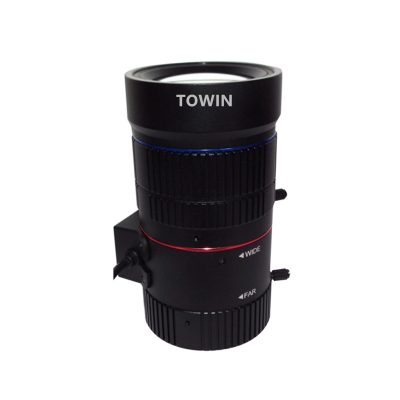
When it comes to selecting the right lenses for your CCTV system, understanding the nuances between CS-Mount vs. C-Mount CCTV lenses is essential. These two lens types are widely used in surveillance cameras, but their differences can significantly impact image quality, compatibility, and overall system performance.
Understanding CS-Mount vs. C-Mount CCTV Lenses
1. Flange Focal Distance (FFD)
The primary difference between CS-Mount and C-Mount lenses lies in their flange focal distance—the distance from the lens mount’s flange to the image sensor.
- C-Mount lenses have an FFD of 17.52mm, making them suitable for older or specialized cameras.
- CS-Mount lenses feature a shorter FFD of 12.5mm, designed for modern CCTV cameras with compact designs.
Using a C-Mount lens on a CS-Mount camera (or vice versa) without an adapter can result in blurry images or focus issues.
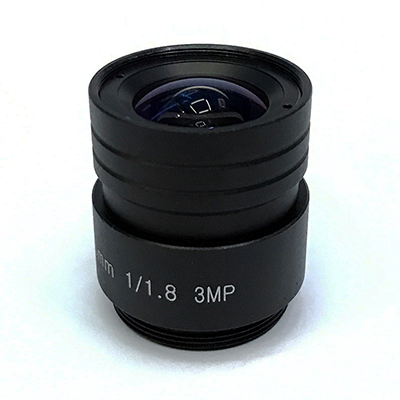
CCTV lens 5.5mm low light F1.2 IR correct CS mount lens
2. Compatibility and Adaptability
CS-Mount lenses are backward-compatible with C-Mount cameras using a 5mm spacer ring, but the reverse isn’t true. C-Mount lenses cannot be directly mounted on CS-Mount cameras without risking damage or poor performance. This makes CS-Mount lenses more versatile for upgrades, as they work seamlessly with both CS and C-Mount systems when adapted correctly.
3. Image Quality and Lens Design
CS-Mount lenses are optimized for smaller sensors and shorter focal lengths, often delivering sharper images in compact surveillance setups. C-Mount lenses, while robust, may struggle with edge-to-edge clarity on modern sensors unless paired with high-end cameras. For applications requiring wide-angle views or high-resolution footage, CS-Mount lenses are generally the superior choice.
4. Cost and Availability
CS-Mount lenses are typically more affordable and widely available due to their dominance in the modern CCTV market. C-Mount lenses, often used in industrial or legacy systems, may come at a premium and require sourcing from specialized suppliers. For budget-conscious projects, CS-Mount lenses offer better value without compromising performance.

C mount IR corrected machine vision lenses
5. Application-Specific Advantages
- C-Mount lenses excel in scenarios requiring long focal lengths, such as monitoring large outdoor areas or capturing distant objects.
- CS-Mount lenses are ideal for indoor surveillance, retail environments, and close-range applications where compactness and cost-efficiency matter.
Final Verdict
Choosing between CS-Mount and C-Mount CCTV lenses depends on your camera’s specifications, budget, and surveillance needs. While CS-Mount lenses dominate modern systems for their adaptability and affordability, C-Mount lenses remain relevant for specialized use cases.