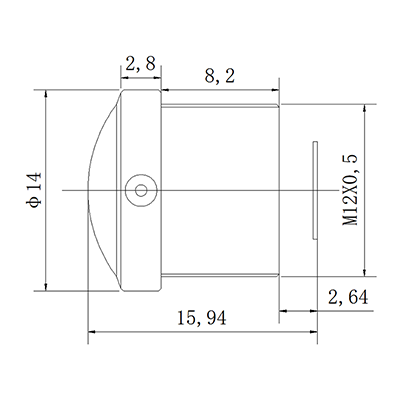



Zoom lenses with constant f/2.8 aperture
08/27/2025
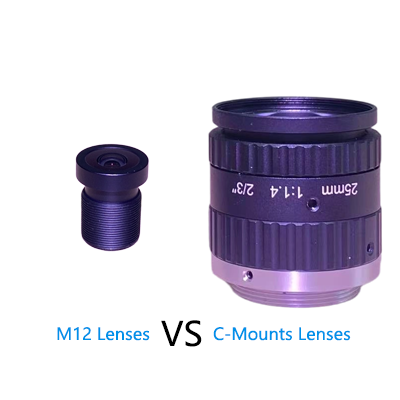
Pinhole lens 16mm IR corrected CCTV M12 lens
08/27/2025
For photographers seeking unparalleled control over their craft, Macro lenses with adjustable aperture settings are game-changers. These specialized lenses allow you to manipulate light, depth of field, and exposure with precision, transforming ordinary close-up shots into breathtaking works of art.
Why Adjustable Aperture Matters in Macro Photography
The aperture—the opening in a lens through which light passes—directly impacts two critical aspects of macro photography: depth of field (DoF) and exposure. In macro shooting, where subjects are often tiny and highly detailed, controlling DoF is essential. A wide aperture (e.g., f/2.8) creates a shallow DoF, isolating your subject from a blurred background. Conversely, a narrow aperture (e.g., f/16) increases DoF, ensuring more of the subject remains in focus.
Macro lenses with adjustable aperture settings let you toggle between these extremes effortlessly. For example, when photographing a butterfly, you might use a wide aperture to emphasize its vibrant wings while softening distracting elements. Alternatively, when capturing a coin’s intricate engravings, a narrow aperture ensures every detail is tack-sharp. This flexibility is impossible with fixed-aperture lenses, making adjustable models indispensable for professionals and hobbyists alike.
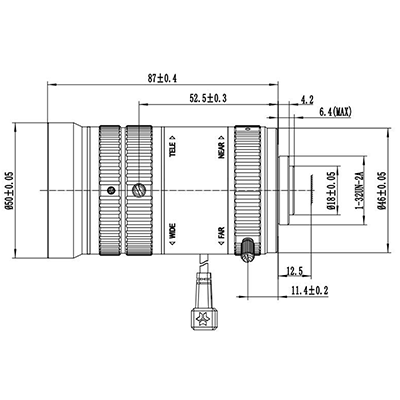
Macro lenses with adjustable aperture
Key Benefits of Macro Lenses with Adjustable Aperture Settings
Precision Control Over Depth of Field
The ability to adjust aperture allows you to experiment with DoF creatively. A shallow DoF can turn a mundane subject into a dramatic focal point, while a deeper DoF preserves context in environmental macro shots. For instance, a flower photographed at f/2.8 might highlight its stamen against a dreamy bokeh, whereas the same flower at f/11 could reveal the surrounding petals and stem in crisp detail.
Optimized Exposure in Challenging Light
Macro photography often involves working in tight spaces or natural light conditions where exposure is tricky. Adjustable apertures let you balance light intake with shutter speed and ISO. For example, shooting in bright sunlight? Narrow the aperture to f/22 to reduce light and avoid overexposure. Working in low light? Open the aperture to f/2.8 to gather more light without compromising image quality.
Enhanced Sharpness and Image Quality
While wide apertures are ideal for artistic blur, narrower settings (f/8 to f/16) maximize sharpness across the frame. This is crucial for macro subjects like jewelry or circuit boards, where every edge and texture must be rendered flawlessly. Modern macro lenses with adjustable apertures also incorporate advanced optics to minimize diffraction—a common issue at small apertures—ensuring clarity even at f/22.
Versatility Across Genres
Though designed for macro work, these lenses excel in other photography styles too. Use them for portraits to achieve creamy background blur (bokeh) or for landscapes to keep foreground-to-background elements sharp. The adjustable aperture makes them a valuable addition to any photographer’s kit.
Cost-Effective Investment
High-quality macro lenses with adjustable apertures often outlast cheaper fixed-aperture alternatives. Their durability and adaptability mean you won’t need to upgrade as your skills evolve. Brands like Canon, Nikon, and Sony offer models like the Canon EF 100mm f/2.8L Macro IS USM, which combines adjustable aperture with image stabilization for unmatched versatility.
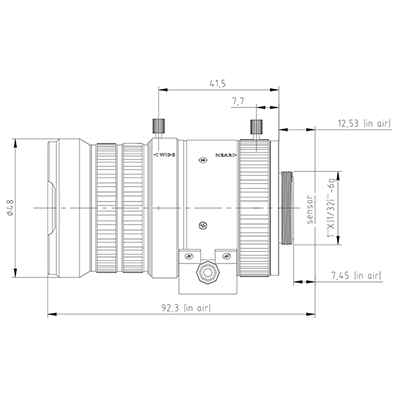
Macro lenses with adjustable aperture
Overcoming Common Challenges
While Macro lenses with adjustable aperture settings offer immense benefits, they require practice to master. Here are two tips to avoid common pitfalls:
- Diffraction at Small Apertures: Stopping down beyond f/16 can soften images due to light diffraction. Test your lens’s sweet spot (usually around f/8 to f/11) for optimal sharpness.
- Manual Focus Precision: Macro photography often demands manual focus for accuracy. Use live view mode and zoom in on your subject to ensure critical focus, especially at wide apertures where DoF is razor-thin.
Final Thoughts
Macro lenses with adjustable aperture settings are not just tools—they’re gateways to creativity. By giving you control over light, focus, and exposure, they empower you to tell stories through tiny details.