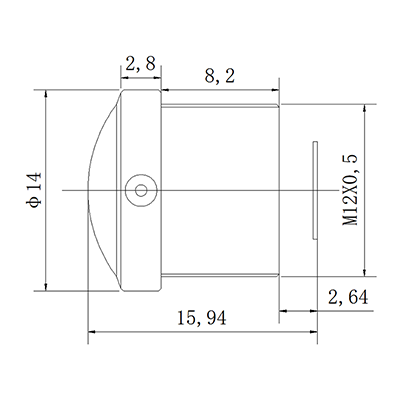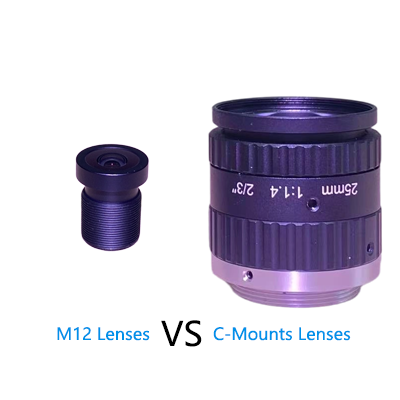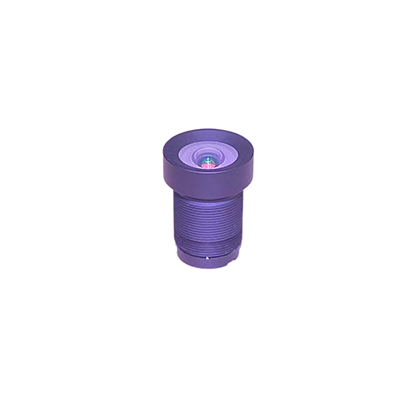



F2.0 M12 S-Mount wide-angle lens
09/03/2025
Medical Imaging with Pinhole Lenses
09/04/2025
The History of aperture control in lenses is a fascinating tale of innovation, merging optics, engineering, and photography’s artistic demands. For over a century, controlling light intake has been pivotal to capturing sharp, well-exposed images.
History of Aperture Control in Lenses: Early Mechanical Innovations
The story begins in the 19th century with simple lenses featuring fixed apertures. Early photographers relied on Waterhouse stops—removable metal plates with drilled holes—to adjust light manually. These rudimentary tools, introduced by John Waterhouse in 1858, required stopping down the lens between shots, making them cumbersome for dynamic scenes.
By the 1880s, iris diaphragms emerged as a game-changer. Inspired by the human eye’s pupil, these systems used overlapping metal blades to form a circular opening, enabling smoother aperture adjustments. Companies like Carl Zeiss and Voigtländer integrated iris mechanisms into their lenses, setting a standard for precision.

Lens Aperture
Mid-20th Century: Standardization and Automation
The post-war era saw aperture control become more accessible. The f-number system (e.g., f/2.8, f/16) was standardized, allowing photographers to compare lenses objectively. This period also introduced preset aperture rings, which let users lock a desired setting without disrupting focus—a boon for street and documentary photographers.
In the 1960s, Japanese manufacturers like Nikon and Canon pioneered automatic diaphragm coupling. This innovation allowed the aperture to remain wide open during framing (for brighter viewfinders) and only stop down when the shutter fired. This “auto-aperture” feature became a cornerstone of SLR cameras, enhancing usability without sacrificing control.
Modern Era: Electronics and Computational Precision
The digital revolution transformed aperture control. Electromagnetic diaphragms, introduced in the 2000s, replaced mechanical linkages with electronic signals, enabling faster, quieter operation—critical for video recording. Today, mirrorless systems use fly-by-wire apertures, where electronic sensors adjust blades with microsecond precision, ensuring consistent exposure even in rapid sequences. Recommended Reading: Low-light photography aperture tips

Lens Aperture
Conclusion
From Waterhouse stops to AI-driven optics, the History of aperture control in lenses reflects humanity’s relentless pursuit of perfection. Each milestone—mechanical iris diaphragms, auto-aperture coupling, and electronic precision—has empowered photographers to push creative boundaries. As technology evolves, one thing remains constant: the aperture’s role as the gateway to light, shaping every image’s mood and clarity.