


Explosion-proof CCTV lens
08/14/2025
What is a zoom lens and its function
08/14/2025
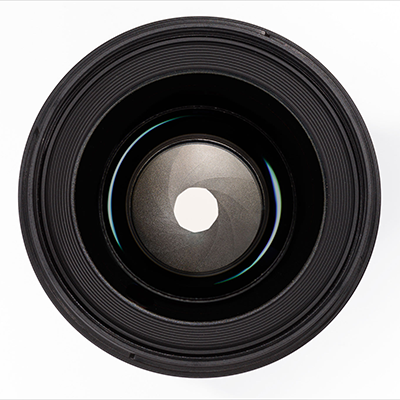
Photography enthusiasts often debate the merits of fixed aperture vs. variable aperture lenses. Whether you’re a professional or a hobbyist, understanding the differences between these aperture lenses can transform your shooting experience. Fixed aperture lenses maintain a constant opening, while variable aperture lenses adjust their size based on zoom level. This distinction affects everything from low-light performance to cost.
Fixed Aperture vs. Variable Aperture Lenses: A Closer Look
1. Light Control and Low-Light Performance
Fixed aperture lenses shine in challenging lighting conditions. Because their aperture remains unchanged regardless of focal length, they allow consistent light intake. For example, a 24-70mm f/2.8 lens will deliver the same exposure at 24mm and 70mm. This stability is invaluable for indoor events, night photography, or any scenario where light is scarce.
Variable aperture lenses, however, often narrow as you zoom in. A 18-55mm f/3.5-5.6 lens, for instance, starts at f/3.5 at 18mm but reduces to f/5.6 at 55mm. This reduction in light can force you to increase ISO or slow down your shutter speed, potentially introducing noise or motion blur.
Why It Matters:
- Fixed aperture lenses excel in low light, offering sharper images with less noise.
- Variable aperture lenses may struggle in dim environments, requiring workarounds like tripods or artificial lighting.
Aperture
2. Depth of Field and Creative Flexibility
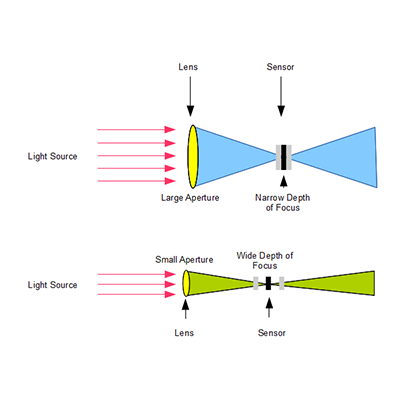
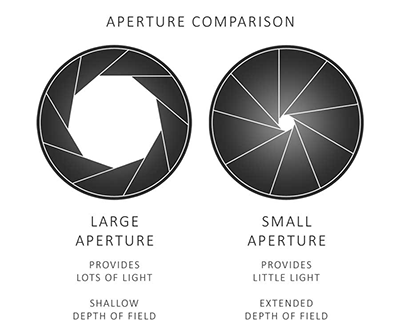
Depth of field (DoF) refers to the range of sharpness in an image. Fixed aperture lenses provide greater control over DoF, thanks to their wider maximum apertures. A f/1.4 lens, for example, creates a shallow DoF, ideal for portraits with blurred backgrounds. This effect is consistent across all focal lengths, empowering photographers to experiment creatively.
Variable aperture lenses, on the other hand, limit DoF control. As the aperture narrows with zoom, achieving a shallow DoF becomes harder. While this isn’t always a drawback—landscape photographers often prefer deep DoF—it restricts versatility in genres like portraiture or macro photography.
Pro Tip:
- For bokeh enthusiasts, fixed aperture lenses are the superior choice. Their ability to isolate subjects from backgrounds is unmatched.
3. Size, Weight, and Portability
Variable aperture lenses are generally lighter and more compact. Their simpler optical design allows manufacturers to reduce glass elements, cutting down on bulk. This makes them perfect for travel or casual shooting where convenience is key.
Fixed aperture lenses, however, are bulkier due to their complex construction. A 70-200mm f/2.8 lens, for instance, is a beast to carry around. While their heft signals durability and quality, it can be a drawback for those prioritizing portability.
Trade-Off:
- Variable aperture lenses: Lightweight and travel-friendly.
- Fixed aperture lenses: Heavier but built for performance.
4. Cost Considerations
Budget plays a significant role in lens selection. Variable aperture lenses are far more affordable, making them accessible to beginners or those on a tight budget. A kit lens like the 18-55mm f/3.5-5.6 costs a fraction of its fixed-aperture counterparts.
Fixed aperture lenses, while pricier, justify their cost with superior optics and build quality. Professional-grade lenses like the Canon EF 24-70mm f/2.8L II USM command a premium but deliver exceptional results.
Value Proposition:
- Variable aperture lenses: Great for starters or casual shooters.
- Fixed aperture lenses: A long-term investment for serious photographers.
Optimal Aperture for Sharpness
5. Autofocus Speed and Accuracy
Fixed aperture lenses often feature faster autofocus (AF) systems. Their wider apertures let more light reach the AF sensor, improving focus speed in low light. This is crucial for action photography, where split-second timing matters.Recommended Reading: Wide aperture lenses for portrait photography
Variable aperture lenses may lag in AF performance, especially at longer focal lengths. The narrower aperture reduces light, slowing down the AF motor. While modern lenses have mitigated this issue, fixed aperture models still hold an edge.
Real-World Impact:
- Sports or wildlife photographers benefit from the rapid AF of fixed aperture lenses.
- Variable aperture lenses are sufficient for static subjects like landscapes or still life.
Which Aperture Lenses Are Right for You?
Choosing between fixed and variable aperture lenses depends on your priorities. If you shoot in low light, crave creative DoF control, or need fast AF, fixed aperture lenses are worth the investment. Their consistency and performance justify the higher cost and weight.
How Aperture Influences Sharpness
Final Thoughts
The debate between fixed aperture vs. variable aperture lenses boils down to trade-offs. Fixed aperture lenses deliver unmatched performance but at a cost in size and price. Variable aperture lenses prioritize affordability and portability, sacrificing some low-light capability and creative control.