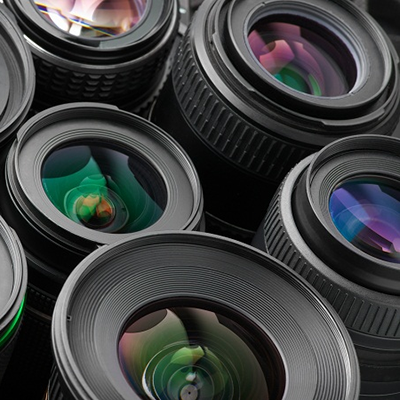



F2.0 FA Lens: Bright Imaging in Dim Conditions
10/24/2025
MIL-STD Automotive lens
10/24/2025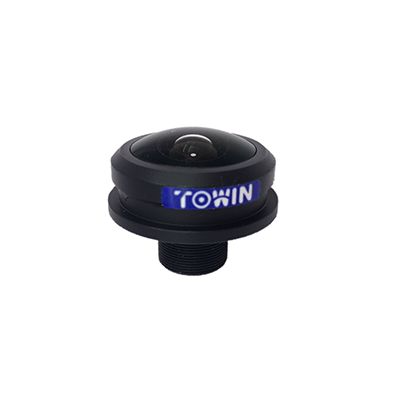
Fisheye lens are a thrilling addition to any photographer’s toolkit, offering extreme wide-angle perspectives that warp reality into captivating, spherical views. But what are the different types of Fisheye Lens, and how do they impact your shots? Whether you’re shooting landscapes, action sports, or abstract art, understanding the nuances of each Fisheye Lens type can elevate your creativity.
What Are the Different Types of Fisheye Lens?
Fisheye lenses are categorized based on their field of view, image projection, and design. The two primary types are circular Fisheye lenses and full-frame (diagonal) Fisheye lenses, but variations like zoom Fisheye lenses and mirrorless-specific options expand the possibilities. Here’s a breakdown:
1. Circular Fisheye Lens
Circular Fisheye lenses produce a distinctive 180-degree field of view in all directions, creating a circular image surrounded by black borders. This effect is iconic for its surreal, bubble-like distortion.
Key Features:
- Extreme curvature: Objects bend dramatically at the edges.
- Limited coverage: The circular frame means less of the scene fits vertically/horizontally.
- Ideal for: Abstract art, underwater photography, and creative portraits.
2. Full-Frame (Diagonal) Fisheye Lens
Full-frame Fisheye lenses fill the entire sensor or film frame, offering a 180-degree diagonal field of view without black borders. The distortion is still pronounced but more controlled than circular Fisheyes.
Key Features:
- Rectangular image: Utilizes the entire frame for a wider composition.
- Subtle distortion: Lines curve less severely, making it versatile for landscapes and architecture.
- Ideal for: Real estate photography, skateboarding, and dynamic street scenes.

Fisheye IR Cut Filter S-Mount Lens
3. Zoom Fisheye Lens
Zoom Fisheye lenses combine flexibility with extreme wide-angle capabilities. These lenses allow you to adjust the focal length, typically between 8mm and 15mm, offering both circular and full-frame effects in one package.
Key Features:
- Variable distortion: Switch between circular and full-frame modes.
- Portability: Avoids carrying multiple lenses.
- Ideal for: Travel photography, event coverage, and experimental projects.
4. Mirrorless Fisheye Lens
Designed specifically for mirrorless cameras, these lenses are compact and lightweight, often featuring autofocus and advanced optics. They cater to modern photographers seeking portability without sacrificing quality.
Key Features:
- Compact design: Easier to carry for on-the-go shooting.
- Fast autofocus: Suitable for dynamic subjects like pets or sports.
- Ideal for: Vloggers, travel bloggers, and street photographers.
5. Fisheye Converter Lenses
Fisheye converter lenses attach to existing wide-angle lenses, transforming them into Fisheye lenses. These add-ons are budget-friendly but may compromise image quality.
Key Features:
- Affordability: Cheaper than buying a dedicated Fisheye Lens.
- Versatility: Works with multiple lenses.
- Ideal for: Hobbyists experimenting with Fisheye effects.
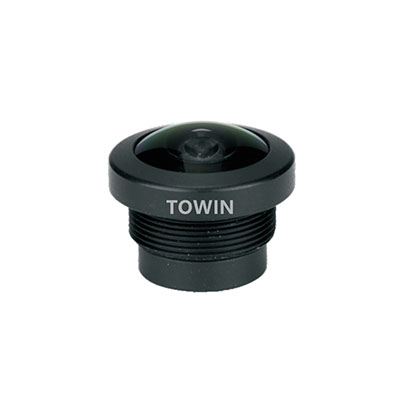
4-Megapixel F2.4 M12 mount fisheye lens
How to Choose the Right Fisheye Lens
Selecting a Fisheye Lens depends on your camera system, budget, and creative goals. Consider these factors:
- Camera Compatibility: Ensure the lens fits your DSLR or mirrorless mount.
- Distortion Preference: Circular for abstract art, full-frame for practicality.
- Budget: Converter lenses are cheaper, but dedicated Fisheyes offer superior quality.
FAQs
1. What is the main difference between circular and full-frame Fisheye lenses?
Circular Fisheye lenses produce a circular image with black borders, while full-frame Fisheyes fill the entire frame with a diagonal 180-degree view.
2. Can I use a Fisheye Lens for portraits?
Yes! Fisheye lenses add a playful, distorted effect to portraits, but use them sparingly to avoid unflattering warping.
3. Are Fisheye lenses only for professional photographers?
No. Enthusiasts and hobbyists can achieve stunning results with affordable Fisheye converters or entry-level models.
4. Do Fisheye lenses work with smartphones?
Some third-party clip-on lenses offer Fisheye effects for smartphones, though quality varies.
5. What are the drawbacks of Fisheye lenses?
Extreme distortion can make straight lines appear curved, and chromatic aberration may occur at the edges.
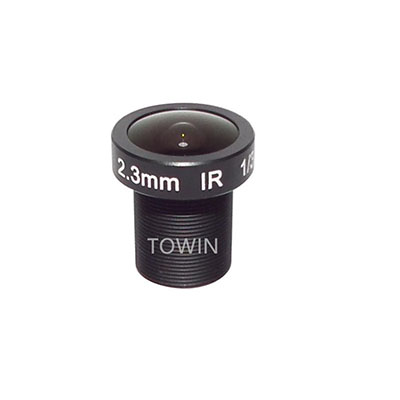
wide angle, 4 megapixel CCTV lens Fisheye Lens
Conclusion
What Are the Different Types of Fisheye Lens? From circular to zoom, each type offers a unique way to reimagine perspective. Whether you’re capturing the cosmos in a bubble or a skateboarder’s mid-air trick, Fisheye lenses turn ordinary scenes into extraordinary visuals.