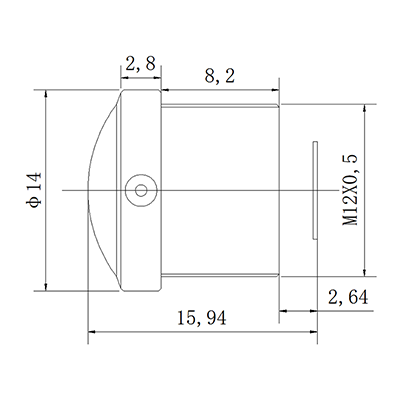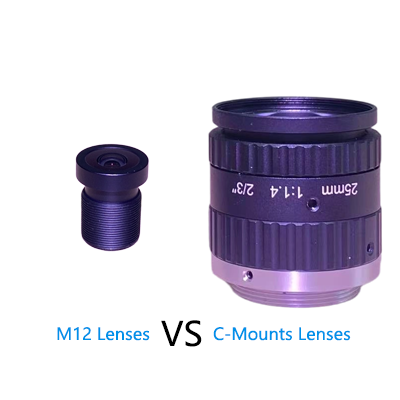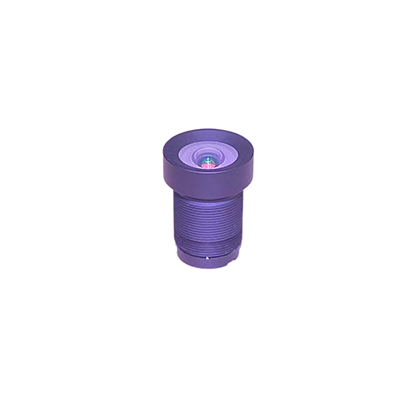



M12 aspherical lenses for aberration correction
08/28/2025
Ultra-low distortion optical lens
08/28/2025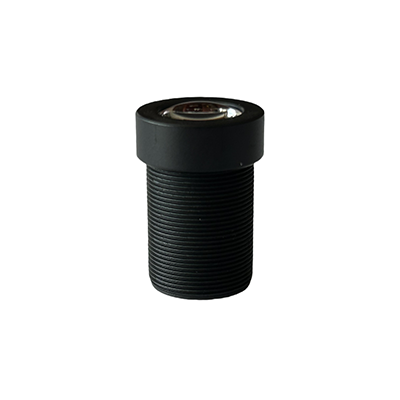
Industrial lenses are the unsung heroes of modern technology, enabling machines to “see” and interpret the world with unparalleled accuracy. These specialized optical components are engineered to withstand harsh environments, deliver high-resolution imaging, and integrate seamlessly with advanced systems.
1. Automated Quality Control in Manufacturing
In manufacturing, precision is non-negotiable. Industrial lens are the backbone of automated quality control systems, capturing microscopic defects in products ranging from automotive parts to semiconductor chips. High-resolution lenses paired with machine vision cameras inspect surfaces for scratches, dents, or irregularities at speeds far exceeding human capability.
2. Advanced Robotics and Machine Vision
Robots rely on industrial lens to navigate and interact with their surroundings. In warehouses, lenses guide robotic arms to pick and place items with millimeter precision. In agriculture, drones equipped with multispectral industrial lens analyze crop health by detecting subtle variations in plant color.
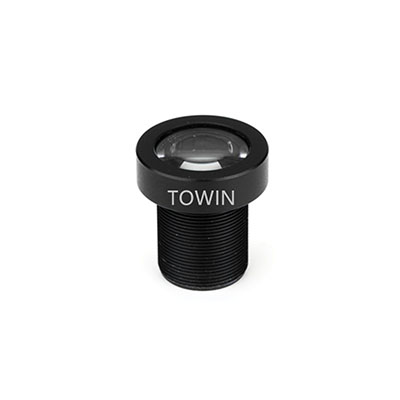
Low-distortion-M12-fixed-focus-industrial-lens
3. Medical Imaging and Diagnostics
The healthcare sector depends on industrial lens for life-saving diagnostics. In endoscopy, miniature lenses transmit high-definition images from inside the human body, aiding surgeons in minimally invasive procedures. In pathology, lenses integrated into digital microscopes capture detailed images of tissue samples, enabling faster cancer detection.
4. Surveillance and Security Systems
Security applications demand lenses that perform under extreme conditions. Industrial lens in surveillance cameras capture crystal-clear footage in low light, fog, or rain, ensuring uninterrupted monitoring of critical infrastructure like airports or power plants. Thermal imaging lenses, a subset of industrial optics, detect heat signatures to identify intruders or equipment malfunctions.
5. Automotive Safety and Autonomous Driving
The automotive industry is undergoing a revolution, and industrial lenses are at its core. LiDAR systems, which use laser pulses to map surroundings, rely on precision lenses to focus light and improve detection range. Advanced driver-assistance systems (ADAS) employ lenses in cameras that monitor lane markings, traffic signs, and pedestrian movements.
6. Aerospace and Defense Applications
In aerospace, industrial lenses endure vibration, extreme temperatures, and radiation. Satellites use lenses to capture high-resolution images of Earth for weather forecasting or disaster monitoring. In defense, lenses in reconnaissance drones provide intelligence operatives with real-time battlefield data.
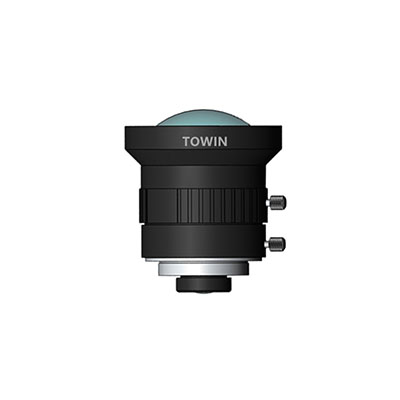
1/1.8″, 4.5mm low distortoin wide angle C mount industrial lens
7. Scientific Research and Metrology
Scientists rely on industrial lenses to explore the universe and the quantum realm. Telescopes use massive lenses to observe distant galaxies, while microscopes employ nano-precision optics to study cellular structures. In metrology—the science of measurement—lenses calibrate instruments like coordinate measuring machines (CMMs), which verify the dimensions of aerospace components.
The Future of Industrial Lenses
As industries embrace Industry 4.0, the demand for smarter, more adaptable industrial lenses will surge. Innovations like liquid lenses, which adjust focus electronically, and AI-driven optical systems are already emerging. Recommended Reading: M12 lens for industrial cameras

12-50mm-P-Iris-CS-Mount Industrial lenses
Conclusion
From ensuring product perfection to safeguarding nations, industrial lenses are catalysts for progress. Their ability to transform raw data into actionable insights makes them indispensable across sectors. As technology evolves, these lenses will continue to redefine what’s possible, proving that sometimes, the smallest components drive the biggest breakthroughs.