


Thermal imaging CCTV lens
08/18/2025
5.9mm 6-Megapixel F1.6 Low Distortion Lens
08/18/2025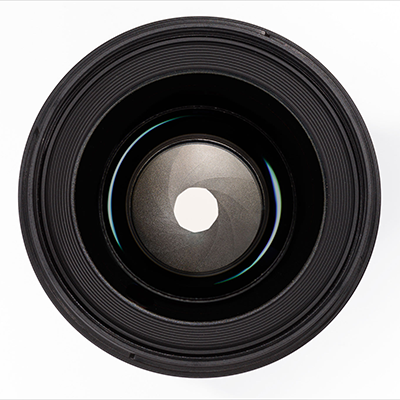
Aperture is one of photography’s most critical yet misunderstood concepts. Whether you’re shooting portraits, landscapes, or low-light scenes, mastering aperture can transform your images from amateur to professional. But how does aperture affect image quality exactly?
1. Depth of Field: Blur vs. Crispness
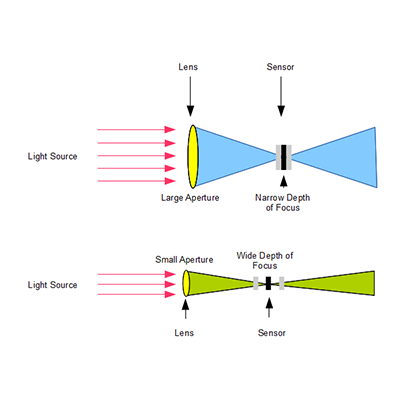
Aperture directly controls depth of field (DoF)—the range of sharpness in your image. A wide aperture (e.g., f/1.4) creates a shallow DoF, isolating your subject with a dreamy background blur (bokeh). This is ideal for portraits or macro photography, where you want the subject to pop. Conversely, a narrow aperture (e.g., f/16) keeps more of the scene in focus, perfect for landscapes or architecture.
Negative Impact: Using the wrong aperture for your goal can ruin a shot. For instance, a landscape photo taken at f/2.8 might leave distant mountains blurry, while a portrait at f/16 could make the background distractingly sharp.

Best aperture lenses for low-light photography
2. Sharpness: The Sweet Spot Myth
Many believe the smallest aperture (e.g., f/22) yields the sharpest images. In reality, lens diffraction occurs when light bends around the aperture blades at tiny openings, reducing sharpness. Most lenses have a “sweet spot” (often between f/5.6 and f/11) where they deliver peak clarity.
Example: A 50mm lens at f/8 will likely outperform the same lens at f/22 in terms of detail. Use tools like LensRentals’ diffraction calculator to find your lens’s optimal range.
3. Exposure: Balancing Light and Aperture
Aperture also dictates how much light hits your sensor. A wide aperture (low f-number) lets in more light, brightening images in dark environments. This is why night photographers often use f/1.4 or f/2.8 lenses. However, opening the aperture too much in bright conditions can overexpose your shot, forcing you to adjust ISO or shutter speed.
Pro Tip: In manual mode, pair aperture with shutter speed and ISO for a balanced exposure. For example, in daylight, use f/8 and adjust the other settings to avoid blown-out highlights.
4. Starbursts and Sun Flare: Creative Effects
Narrow apertures (f/16 or smaller) create striking starbursts around light sources like streetlights or the sun. This effect adds drama to cityscapes or sunset shots. Wide apertures, meanwhile, can produce lens flare—a soft, golden glow that adds warmth but can also reduce contrast if overused.
Negative Impact: While creative effects are fun, over-relying on them can make images look cliché. Use aperture creatively, but ensure it serves the story you’re telling.
5. Low-Light Performance: Trade-offs
Shooting in dim environments? A wide aperture is your best friend, as it gathers more light without needing a slow shutter speed (which causes motion blur) or a high ISO (which introduces noise). However, very wide apertures (e.g., f/1.2) have a razor-thin DoF, making focus errors more likely.
Example: A wedding photographer shooting indoors might use f/2.8 to keep the couple sharp while blurring the background. Switching to f/1.4 could accidentally blur the bride’s face if focus isn’t precise.
Optimal Aperture for Sharpness
Common Mistakes to Avoid
- Ignoring the Sweet Spot: Always test your lens’s sharpest aperture.
- Overusing Bokeh: Not every photo needs a blurred background.
- Forgetting Exposure Triangle Balance: Adjust ISO and shutter speed alongside aperture.
Final Thoughts
Understanding how does aperture affect image quality empowers you to take control of your photography. Whether you’re aiming for tack-sharp landscapes, creamy portraits, or dynamic starbursts, aperture is your gateway to creative and technical excellence. Experiment with different settings, analyze your results, and remember: the best aperture isn’t about numbers—it’s about the story you want to tell.