


High-transmittance low distortion lens
10/13/2025
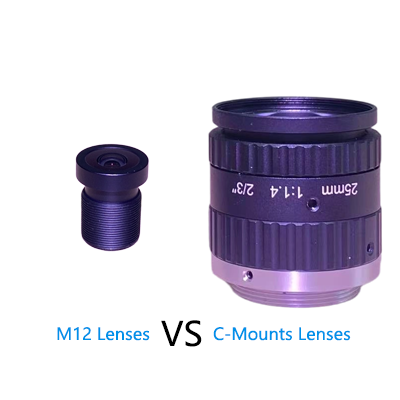
M12 lens vs C-mount lens for machine vision
10/13/2025
Photography enthusiasts and professionals alike constantly seek tools that elevate their craft. Among these, ED glass lenses with adjustable aperture stand out as a game-changer, combining cutting-edge optics with creative control. Whether you’re capturing landscapes, portraits, or action shots, these lenses offer unparalleled precision.
Why ED Glass Lenses with Adjustable Aperture Are a Game-Changer
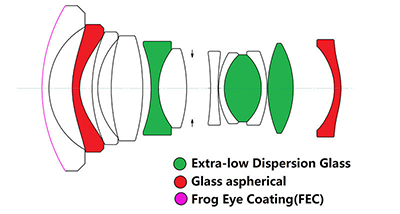
ED (Extra-Low Dispersion) glass is engineered to minimize chromatic aberration—a common issue where colors bleed at edges, causing blurry or “fringy” images. By using ED elements, these lenses produce sharper, more vibrant photos with true-to-life colors. Pair this with an adjustable aperture, and you gain control over light intake and depth of field, allowing for creative effects like bokeh (background blur) or crisp, all-in-focus shots.
Key Benefits:
- Superior Image Quality: ED glass reduces color fringing, ensuring edges remain sharp.
- Creative Flexibility: Adjust the aperture (e.g., f/1.8 to f/22) to control exposure and background sharpness.
- Low-Light Mastery: Wider apertures (e.g., f/1.4) let in more light, ideal for dim environments.
- Versatility: Suitable for genres like macro, portrait, and astrophotography.
- Future-Proof Investment: High-end build quality ensures longevity.
Low-dispersion lenses with wide aperture
How ED Glass Lenses with Adjustable Aperture Enhance Your Photography
1. Unmatched Clarity and Color Accuracy
Chromatic aberration is the bane of photographers, but ED glass tackles it head-on. By aligning light wavelengths more precisely, these lenses eliminate the purple or green fringes often seen in high-contrast scenes. For instance, shooting a sunset against a dark silhouette? ED glass ensures the transition between light and dark is seamless.
2. Precision Control Over Depth of Field
The adjustable aperture is your secret weapon for storytelling. A wide aperture (e.g., f/2.8) isolates subjects by blurring backgrounds, perfect for portraits. Conversely, a narrow aperture (e.g., f/16) keeps everything in focus, ideal for landscapes. This flexibility lets you adapt to any scenario without swapping lenses.
3. Adaptability in Challenging Lighting
Low-light conditions demand lenses that can “drink” light. With apertures as wide as f/1.2 or f/1.4, ED glass lenses with adjustable aperture excel in dimly lit venues, golden-hour shoots, or night skies. Paired with ED glass’s light-gathering efficiency, you’ll capture details others miss.
4. Durability Meets Innovation
Many ED lenses feature weather-sealed designs, protecting against dust and moisture. This durability, combined with adjustable apertures, makes them reliable for outdoor adventures or travel photography.
Recommended Reading: Low-dispersion lenses with wide aperture
Real-World Applications: Where These Lenses Shine
- Portrait Photography: Use a wide aperture (f/1.8) to create dreamy bokeh while keeping faces sharp.
- Macro Photography: A narrow aperture (f/11) ensures tiny details, like insect wings, are in focus.
- Astrophotography: Pair a wide aperture with long exposures to capture starry skies without trails.
- Event Photography: Quickly adjust apertures to manage varying indoor/outdoor lighting.
For example, a wedding photographer might switch from f/2.8 (indoor ceremonies) to f/8 (outdoor group shots) seamlessly.

Lens Aperture
FAQs
1. Are ED glass lenses worth the investment?
Absolutely! While pricier than basic lenses, their image quality and versatility justify the cost. Professionals and serious hobbyists will notice a dramatic difference in sharpness and creative control.
2. Can beginners use ED glass lenses effectively?
Yes! Many modern lenses offer auto-mode compatibility, allowing beginners to focus on composition while the lens handles technical aspects. As skills grow, manual aperture adjustments become second nature.
3. How do ED glass lenses compare to prime lenses with fixed apertures?
Prime lenses often excel in low-light performance (e.g., f/1.2), but ED glass lenses with adjustable aperture offer flexibility. You get the best of both worlds: ED quality plus variable apertures for diverse shooting conditions.
4. Do all ED glass lenses have adjustable apertures?
No. Some ED lenses, like certain telephoto models, may have fixed apertures. Always check specifications before purchasing.
5. What maintenance do ED glass lenses with adjustable aperture require?
Regular cleaning of the front/rear elements and aperture blades is key. Store them in a dry place to prevent fungus growth. Avoid touching the glass directly; use a microfiber cloth.

lens aperture
Conclusion
In the world of photography, tools that blend innovation with practicality are rare. ED glass lenses with adjustable aperture are a testament to such synergy, offering crisp imagery, creative freedom, and adaptability.