


Waterproof CCTV lens
08/12/2025
Why fixed focus lenses have faster aperture speeds?
08/12/2025
Low-light photography demands lenses that can capture maximum light with minimal compromise. The aperture lenses you choose directly impact image sharpness, noise levels, and creative control over depth of field.
Why Aperture Lenses Define Low-Light Success
A lens’s aperture (measured in f-stops) determines how much light reaches the sensor. In low-light conditions:
- Wider apertures (lower f-numbers) allow faster shutter speeds, reducing motion blur.
- Lower ISO settings become viable, minimizing grain and preserving detail.
- Shallow depth of field isolates subjects with creamy bokeh.
For example, an f/1.2 lens lets in twice as much light as an f/1.8 lens, making it ideal for dimly lit environments.Recommended Reading:What is aperture in a camera lens?

Does Aperture Affect Image Sharpness
Top 3 Aperture Lenses for Low-Light Photography: Technical Breakdown
1.Professional-Grade Prime: f/1.2 Aperture
Key Parameters:
- Focal Length: 50mm–85mm (classic portrait and event range).
- Maximum Aperture: f/1.2 (excellent light gathering).
- Weight: ~600–900g (balanced for handheld shooting).
- Optical Design: 13–15 elements in 10–11 groups (corrects spherical aberration).
- Autofocus: Fast and accurate (critical for moving subjects).
Best For:
- Indoor events (weddings, concerts) where lighting is unpredictable.
- Isolating subjects with buttery background blur.
Trade-offs:
- Higher cost due to complex optics.
- Some vignetting at f/1.2 (reduces at f/1.8–f/2).
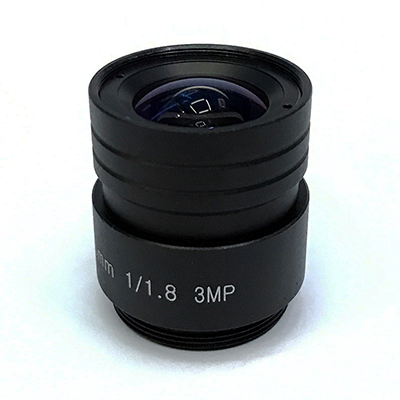
CCTV lens 5.5mm low light F1.2 Aperture IR correct lens
2. Ultra-Wide Prime: f/1.4 Aperture
Key Parameters:
- Focal Length: 14mm–24mm (ideal for expansive scenes).
- Maximum Aperture: f/1.4 (rare for ultra-wide lenses).
- Weight: ~400–600g (compact for landscape use).
- Optical Design: 14–16 elements in 11–12 groups (controls distortion and flare).
- Angle of View: 84°–114° (captures vast environments).
Best For:
- Astrophotography (wide field of view fits more stars).
- Architectural night shots (emphasizes structures with bokeh in foreground lights).
Trade-offs:
- Edge distortion at wider angles (correct in post-processing).
- Limited availability (few manufacturers offer f/1.4 ultra-wide primes).
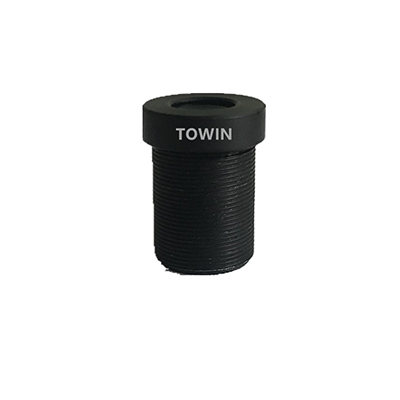
F1.4 Aperture low-light-lens
3. Compact Prime: f/1.8 Aperture
Key Parameters:
- Focal Length: 35mm–50mm (affordable and lightweight).
- Maximum Aperture: f/1.8 (good balance of light and cost).
- Weight: ~200–400g (perfect for travel).
- Optical Design: 7–9 elements in 6–7 groups (simple but effective).
- Price: Mid-range (often 1/3 the cost of f/1.4 primes).
Best For:
- Beginners (easy to handle and learn manual focus).
- Everyday low-light shooting (e.g., street photography at dusk).
Trade-offs:
- Narrower aperture than f/1.2/f/1.4 (requires slightly higher ISO).
- Less bokeh (but still better than f/2.8–f/4 lenses).
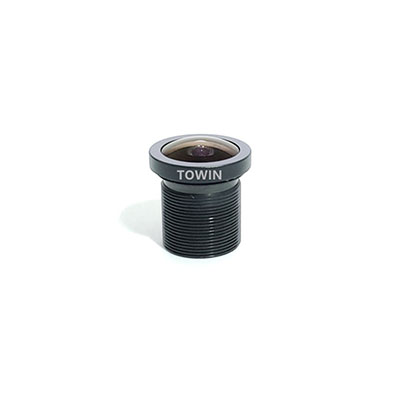
S-mount-wide-angle-2.1mm-f1.8 Aperture lenses
Final Considerations: Choosing the Right Aperture Lens
- Prioritize aperture size if you shoot in near-darkness (e.g., f/0.95–f/1.2).
- Opt for zooms with f/2.8 if you need flexibility without sacrificing too much light.
- Ultra-wide primes (f/1.4) are niche but game-changers for astrophotography.
- Compact f/1.8 primes offer the best value for casual low-light work.
For deeper technical comparisons, refer to optical benchmarking databases that analyze lens sharpness, distortion, and chromatic aberration across apertures.