


Fixed focus lenses vs. zoom lenses
10/09/2025
M12 lenses with 1/2.5″ sensor compatibility
10/09/2025
The world of photography and optics is constantly evolving, with innovations that push the boundaries of what’s possible. Among these advancements, low-dispersion lenses with wide aperture stand out as a transformative technology. Designed to minimize color fringing and maximize light intake, these lenses are reshaping how photographers capture stunning, high-resolution images.
What Are Low-Dispersion Lenses with Wide Aperture?
At their core, low-dispersion lenses with wide aperture combine two critical optical features:
- Low Dispersion: These lenses use specialized glass elements (e.g., ED or Super ED glass) to reduce chromatic aberration—a common issue where colors fail to focus at a single point, causing fringes around edges.
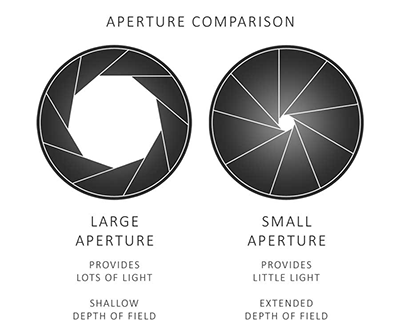
- Wide Aperture: A wide aperture (e.g., f/1.4, f/1.8) allows more light to enter the lens, enabling faster shutter speeds, better low-light performance, and shallow depth of field for artistic bokeh effects.
By merging these traits, manufacturers create lenses that deliver sharper images, truer colors, and unparalleled versatility in varying lighting conditions.

Lens Aperture
Why Low-Dispersion Lenses with Wide Aperture Matter
1. Unmatched Image Clarity
Chromatic aberration is the bane of photographers, particularly in high-contrast scenes. Traditional lenses often produce purple or green fringing around bright objects, degrading image quality. Low-dispersion lenses with wide aperture counter this by bending light wavelengths more uniformly, ensuring crisp edges and vibrant colors.
2. Superior Low-Light Performance
A wide aperture lets in significantly more light than narrower alternatives (e.g., f/2.8 vs. f/5.6). This is invaluable for:
- Indoor photography without flash
- Astrophotography
- Fast-action shots in dim environments
Combined with low dispersion, these lenses maintain sharpness even in challenging conditions.
3. Creative Depth of Field Control
Wide apertures enable shallow depth of field, isolating subjects from backgrounds with creamy bokeh. When paired with low dispersion, the transition between in-focus and out-of-focus areas remains smooth and artifact-free.
4. Versatility Across Genres
From portraits to landscapes, low-dispersion lens with wide aperture adapt seamlessly. Portrait photographers benefit from flattering background blur, while landscape shooters enjoy edge-to-edge sharpness without color fringing.
5. Long-Term Cost Efficiency
While premium, these lenses often outlast cheaper alternatives. Their optical superiority reduces the need for post-processing fixes, saving time and preserving image integrity.
Lens Aperture
How Do Low-Dispersion Lenses with Wide Aperture Work?
The magic lies in the glass. Low-dispersion elements are engineered to refract light wavelengths (red, green, blue) at nearly identical angles, minimizing separation. This is achieved through:
- ED (Extra-Low Dispersion) Glass: Reduces secondary spectrum chromatic aberration.
- Aspherical Elements: Corrects spherical aberration for flatter focus planes.
- Multicoating: Reduces flare and ghosting, enhancing contrast.
A wide aperture complements this by allowing more light to pass through the corrected optical path, maximizing the lens’s potential.
FAQs
1. Are low-dispersion lens with wide aperture worth the investment?
Absolutely. If you prioritize image quality, especially in high-contrast or low-light scenarios, the reduction in chromatic aberration and enhanced light gathering make them indispensable.
2. Can I use low-dispersion lens with wide aperture for video?
Yes! Their fast apertures enable cinematic shallow depth of field, while low dispersion ensures colors remain accurate during movement—ideal for filmmakers.
3. Do all wide-aperture lenses have low dispersion?
No. Many wide-aperture lenses lack low-dispersion glass, leading to color fringing. Always verify specifications before purchasing.
4. What’s the ideal aperture range for low-dispersion lenses?
While f/1.4 to f/2.8 is common, some lenses offer f/1.2 for extreme light intake. However, f/1.4 strikes a balance between performance and practicality.
5. How do low-dispersion lens with wide aperture handle backlighting?
Multicoating on these lenses reduces flare and ghosting, making them resilient against harsh light sources.
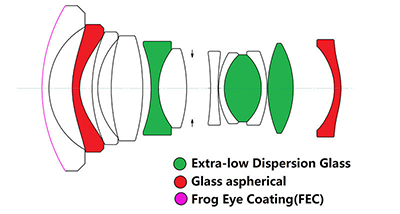
Low-dispersion lenses with wide aperture
Conclusion
Low-dispersion lenses with wide aperture represent a leap forward in optical engineering. By merging color accuracy, light efficiency, and creative flexibility, they empower photographers to capture moments with unprecedented fidelity.