


Small MOQ optical lens supplier
10/09/2025
Low-dispersion lenses with wide aperture
10/09/2025
Photography enthusiasts often debate whether to invest in fixed focus lenses vs. zoom lenses. Both options have distinct advantages and drawbacks, making the choice critical for achieving professional-grade results.
Fixed Focus Lenses vs. Zoom Lenses: Core Differences
The primary distinction between fixed focus lenses (also called prime lenses) and zoom lenses lies in their focal length flexibility. Fixed focus lenses have a single, unchanging focal length (e.g., 50mm), while zoom lenses allow photographers to adjust the focal length within a range (e.g., 24-70mm).
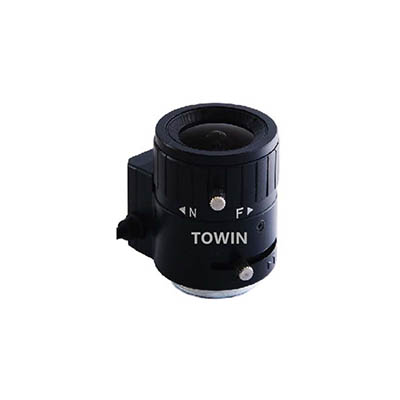
2.8-12mm F1.4 IR Corrected Lens , CCTV Zoom Lens
1. Image Quality: Sharpness and Clarity
Fixed focus lenses are renowned for their superior image quality. With fewer moving parts, they deliver sharper images, especially in low-light conditions. Zoom lenses, while versatile, often compromise on sharpness due to complex lens elements designed to cover multiple focal lengths.
Example: A 50mm fixed focus lens typically outperforms a 24-70mm zoom at 50mm in terms of clarity and contrast.
2. Aperture Size: Light Gathering Capability
Fixed focus lenses often feature wider apertures (e.g., f/1.2, f/1.4), enabling better low-light performance and shallow depth of field. Zoom lenses, however, usually have narrower maximum apertures (e.g., f/2.8 or f/4), limiting their versatility in dim environments.
Pro Tip: If you frequently shoot in low light or need bokeh effects, fixed focus lenses are the better choice.
3. Portability and Weight
Zoom lenses are bulkier and heavier due to their complex internal mechanisms. Fixed focus lenses, being simpler in design, are lighter and more compact, making them ideal for travel or street photography.
Statistic: On average, zoom lenses weigh 30-50% more than fixed focus lenses in the same focal range.
4. Cost Considerations
Fixed focus lenses are generally more affordable than zoom lenses, especially when comparing high-end models. However, purchasing multiple fixed focus lenses to cover different focal lengths can become costly.
External Link: For budget-friendly options, check out B&H Photo’s lens collection.
5. Versatility vs. Specialization
Zoom lenses offer unmatched versatility, allowing photographers to quickly adjust focal lengths without changing lenses. Fixed focus lenses, on the other hand, excel in specific scenarios, such as portrait photography (85mm) or macro shots (100mm).
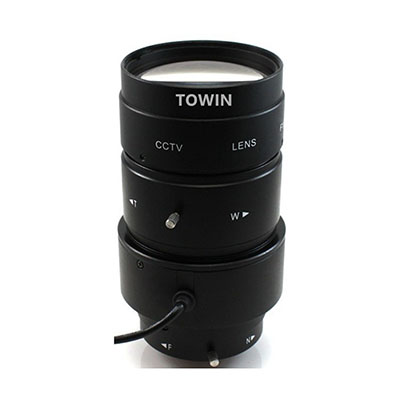
low-light-F1.0 IR Corrected Lens , CCTV Zoom Lens
When to Choose Fixed Focus Lenses vs. Zoom Lenses
Fixed Focus Lenses Are Ideal For:
- Low-light photography (e.g., weddings, night scenes).
- Achieving creamy bokeh and shallow depth of field.
- Photographers who prefer simplicity and superior image quality.
Zoom Lenses Are Ideal For:
- Travel, wildlife, or sports photography where quick focal length adjustments are necessary.
- Photographers who value convenience over ultimate image quality.
- Events where swapping lenses isn’t practical.
FAQs
Are Fixed Focus Lenses Better Than Zoom Lenses for Beginners?
Fixed focus lenses can help beginners master composition by limiting focal length options. However, zoom lenses offer more flexibility for experimentation.
Do Professional Photographers Use Fixed Focus Lenses?
Yes! Many professionals rely on fixed focus lenses for their sharpness and light-gathering capabilities, especially in studio or portrait settings.
Can Zoom Lenses Replace Multiple Fixed Focus Lenses?
While zoom lenses cover a range of focal lengths, they may not match the image quality of dedicated fixed focus lenses. High-end zoom lenses (e.g., 70-200mm f/2.8) come close but at a higher cost.
Which Is More Durable: Fixed Focus or Zoom Lenses?
Fixed focus lenses have fewer moving parts, making them more durable in the long run. Zoom lenses are prone to wear and tear due to their complex mechanisms.
Do Fixed Focus Lenses Work Well for Video?
Absolutely! Fixed focus lenses’ wide apertures and smooth focus rings make them popular among videographers for cinematic effects.
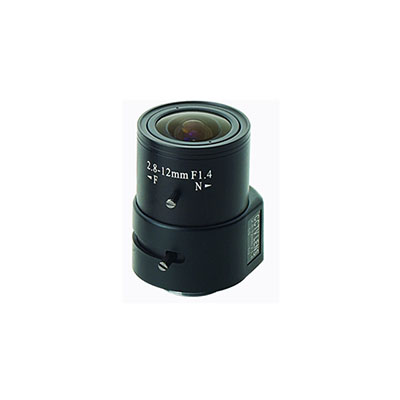
2.8-12mm DC Auto iris CS mount lens, Day/Night CCTV Zoom Lens
Conclusion
The debate between Fixed Focus Lenses vs. Zoom Lenses boils down to your photography needs. If you prioritize image quality, low-light performance, and portability, fixed focus lenses are unbeatable. For versatility and convenience, zoom lenses are the way to go.