


How does a machine vision lens work?
09/18/2025
Low distortion AR/VR lens
09/18/2025
Fisheye lenses with wide aperture options are a game-changer for photographers seeking to push creative boundaries. These specialized lenses combine the dramatic distortion of fisheye optics with the light-gathering power of wide apertures, enabling stunning visuals in diverse shooting conditions.
Fisheye Lenses with Wide Aperture Options: A Perfect Blend of Distortion and Light
Fisheye lens are renowned for their extreme 180-degree field of view, creating a signature convex distortion that warps straight lines into sweeping curves. This effect adds a surreal, hyper-realistic quality to images, making them ideal for abstract art, architecture, and action sports. However, traditional fisheye lenses often come with smaller apertures (e.g., f/5.6 or f/8), limiting their use in low-light scenarios.
Enter fisheye lenses with wide aperture options, such as f/2.8 or even f/1.8. These lenses allow more light to hit the sensor, enabling faster shutter speeds and cleaner shots in dim environments. They also produce a shallow depth of field, isolating subjects with creamy bokeh—a rare feat for ultra-wide lenses. Brands like Nikon, Canon, and Sigma have embraced this trend, offering high-performance models that cater to both professionals and enthusiasts.
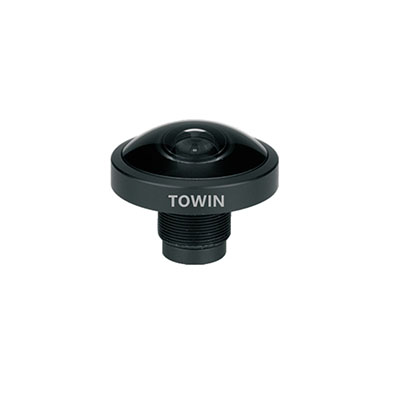
8-Megapixel F2.0 M12 mount Fisheye Lens
Key Benefits of Fisheye Lenses with Wide Aperture Options
1. Unmatched Low-Light Performance
Wide apertures like f/2.8 let in up to four times more light than f/5.6 lenses, making them indispensable for astrophotography, concerts, or indoor events. For example, the Sigma 15mm f/2.8 EX DG Diagonal Fisheye excels in starry skies, capturing sharp details without the need for long exposures.
2. Creative Depth of Field Control
While fisheye lenses are typically associated with deep focus, wide apertures introduce selective blurring. This technique can emphasize a subject’s face in portraits or highlight textures in macro-style shots, adding a layer of sophistication to your work.
3. Compact and Lightweight Designs
Modern optics balance performance with portability. The Rokinon 12mm f/2.8 ED AS IF UMC Fisheye weighs just 12 ounces, making it a favorite among travel and street photographers who prioritize agility without sacrificing image quality.
4. Enhanced Video Capabilities
For videographers, wide apertures reduce reliance on artificial lighting, while the fisheye’s distortion adds dramatic flair to music videos or vlogs. Pairing these lenses with stabilization rigs ensures smooth footage even in handheld setups.
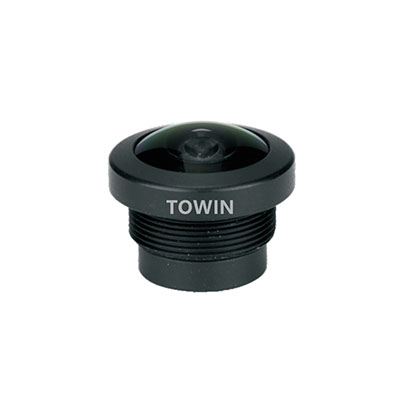
4-Megapixel F2.4 M12 mount fisheye lens
Challenges and Considerations
While fisheye lenses with wide aperture options offer tremendous advantages, they’re not without drawbacks. The extreme distortion can be distracting in portraiture or product photography, requiring careful composition to avoid unflattering results. Additionally, wide apertures may introduce chromatic aberration or vignetting at the edges, though advanced coatings and lens designs mitigate these issues in premium models.
For those new to fisheye photography, practicing with distortion correction tools in post-processing software like Adobe Lightroom can help refine your style. Alternatively, embracing the lens’s quirks—such as intentional warping—can lead to bold, memorable imagery.
Conclusion
Fisheye lenses with wide aperture options are a powerful tool for photographers who crave innovation. By merging extreme perspective with exceptional low-light performance, they unlock new avenues for storytelling and visual experimentation.