


How to Build a Pinhole Lens
09/08/2025
Wholesale Supplier of Wide Angle Lens
09/08/2025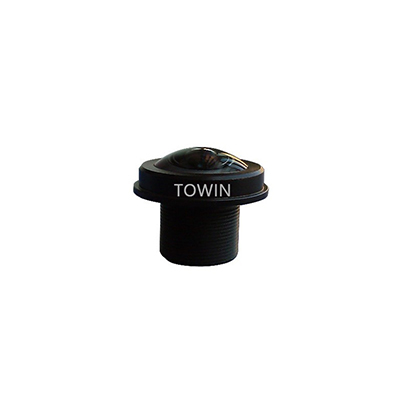
When it comes to capturing expansive, immersive visuals, photographers and videographers often find themselves choosing between a Fisheye Lens vs. 360 Camera. Both tools offer unique advantages, but understanding their differences is crucial for achieving the desired outcome.
Fisheye Lens vs. 360 Camera: Understanding the Basics
Before diving into the specifics, it’s essential to grasp what each tool is designed to do. A fisheye lens is a specialized ultra-wide-angle lens that produces a distinctive, convex appearance, often referred to as a “bubble” effect. This lens captures a roughly 180-degree view, distorting image edges for a dramatic, surreal effect.
On the other hand, a 360 camera is designed to capture a complete spherical view of the surroundings. A 360 camera, unlike a fisheye lens, employs multiple lenses or stitching tech for a seamless, all-angle panoramic image. This makes 360 cameras ideal for virtual tours, immersive storytelling, and capturing environments in their entirety.
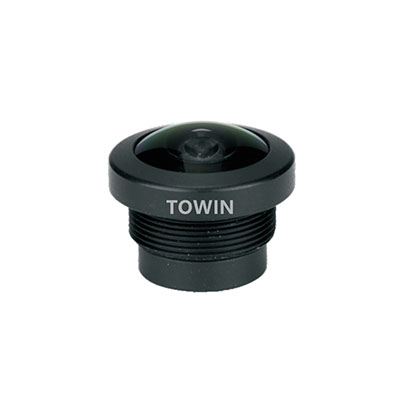
4-Megapixel F2.4 M12 mount fisheye lens
1. Field of View and Image Distortion
One of the most noticeable differences between a fisheye lens and a 360 camera is the field of view and the resulting image distortion. A fisheye lens offers an extremely wide field of view, but this comes at the cost of significant distortion, especially at the edges of the frame. This distortion creatively highlights elements or adds depth, yet it might not fit every application.
In contrast, a 360 camera captures a full 360-degree view without the extreme distortion associated with fisheye lenses. Minor stitching artifacts or distortions may occur, especially in complex scenes, but usually fade and allow post-processing fixes. This makes 360 cameras more versatile for applications where a natural, undistorted view is desired.
2. Image Quality and Resolution
When it comes to image quality and resolution, both fisheye lenses and 360 cameras have their strengths and weaknesses. Fisheye lenses for high-end DSLRs and mirrorless cameras deliver sharp images, vivid colors, and minimal noise. The extreme wide-angle of these lenses spreads resolution thin, reducing pixel density and detail at full view.
360 cameras, on the other hand, are designed to capture as much detail as possible across the entire spherical view. Though 360 cameras may lack fisheye resolution, they capture full environments in detail, ideal for VR and AR. Additionally, advancements in 360 camera technology have led to significant improvements in image quality and resolution over the years.
3. Versatility and Use Cases
Another important consideration when choosing between a fisheye lens and a 360 camera is versatility and use cases. Fisheye lenses shine in specific scenarios like extreme sports, underwater shots, and creative landscapes. Their unique distortion can add a dramatic flair to images, making them stand out from the crowd.
360 cameras, however, offer a broader range of applications. From virtual tours of real estate properties to immersive travel experiences, 360 cameras are revolutionizing the way we capture and share our surroundings. They are also becoming increasingly popular in the fields of education, journalism, and marketing, where the ability to provide a complete, interactive view of a scene can be incredibly powerful.

Fisheye IR Cut Filter S-Mount Lens
4. Cost and Accessibility
Cost and accessibility are also important factors to consider. Fisheye lenses can vary widely in price, from relatively affordable options for entry-level cameras to high-end models that cost several thousand dollars. Additionally, not all cameras are compatible with fisheye lenses, so you may need to invest in a new camera body if you want to use one.
360 cameras, while still a relatively new technology, have become more accessible and affordable in recent years. There are now a wide range of options available, from budget-friendly models that offer basic functionality to professional-grade cameras that deliver stunning image quality and advanced features. For more information on the latest 360 cameras, check out this comprehensive guide from TechRadar.
5. Post-Processing and Editing
Finally, post-processing and editing are crucial considerations when choosing between a fisheye lens and a 360 camera. Fisheye images often require significant correction and cropping to achieve a more natural look, especially if you plan to use them for professional purposes. This can be time-consuming and may require advanced editing skills.
360 images, while also requiring some post-processing, are generally easier to work with. Many 360 cameras come with dedicated software that simplifies the stitching and editing process, allowing you to quickly and easily create polished, professional-looking images. Additionally, the growing popularity of 360 content has led to the development of a wide range of editing tools and plugins that can help you enhance your images and create engaging, interactive experiences.
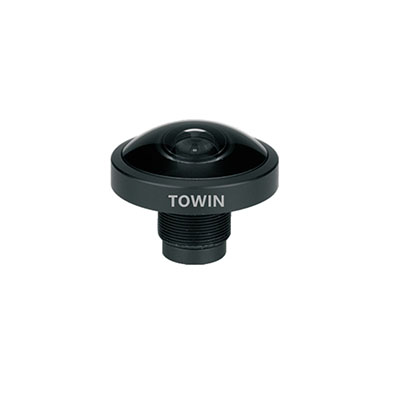
8-Megapixel F2.0 M12 mount Fisheye Lens
In conclusion, the choice between a fisheye lens and a 360 camera ultimately depends on your specific needs and preferences. Whether you’re looking to capture dramatic, wide-angle images or create immersive, interactive experiences, understanding the differences between these two tools is essential for achieving the best possible results.