


Security optical lens supplier
09/02/2025
Pinhole Lens Manufacturing
09/02/2025
In the rapidly evolving field of industrial automation, precision and adaptability are non-negotiable. Enter the zoom machine vision lens, a game-changing component that combines optical versatility with cutting-edge imaging technology. Designed to adjust focal lengths dynamically, these lenses enable machine vision systems to inspect objects of varying sizes without manual reconfiguration, slashing downtime and boosting efficiency.
1. The Core Mechanics: How Zoom Machine Vision Lenses Work
Unlike fixed-focal-length lenses, a zoom machine vision lens features a movable optical assembly that alters the distance between lens elements. This adjustment changes the magnification level, allowing the system to capture sharp images of objects at different distances or sizes. For instance, a lens with a zoom range of 8–50mm can seamlessly transition from inspecting a tiny electronic component to a larger automotive part, all while maintaining image clarity.
Key components include:
- Zoom Groups: Multiple lens elements that shift to adjust magnification.
- Focus Mechanism: Ensures images remain sharp during zoom adjustments.
- Aperture Control: Regulates light intake to suit varying magnifications.
This flexibility eliminates the need for multiple lenses or physical repositioning of the camera, streamlining workflows in high-mix production environments.
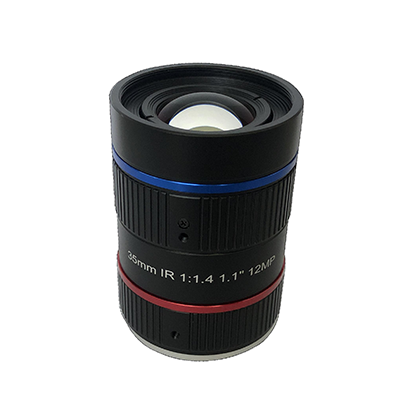
IR 12MP Low Distortion Machine Vision Lens
2. Why Zoom Machine Vision Lenses Matter: 5 Key Benefits
The adoption of zoom lenses in machine vision systems is driven by their ability to address critical industry challenges:
Enhanced Flexibility:
- A single zoom lens can replace several fixed-focal-length lenses, reducing inventory costs and setup time. For example, a robotic assembly line inspecting components of varying sizes can use one zoom lens instead of swapping lenses for each part.
Improved Accuracy:
- By maintaining focus across zoom ranges, these lenses minimize errors in measurement and defect detection. This is crucial in industries like semiconductor manufacturing, where tolerances are measured in microns.
Time Efficiency:
- Automated zoom adjustment speeds up inspection processes, particularly in dynamic environments like food packaging, where product sizes may vary.
Cost Savings:
- Fewer lens changes mean less wear and tear on equipment and reduced labor costs. A study by Vision Systems Design found that zoom lenses can cut setup time by up to 70% in multi-product lines.
Space Optimization:
- Compact designs save valuable space on production floors, a significant advantage in crowded facilities.
3. Real-World Applications: From Factories to Warehouses
Zoom machine vision lenses are transforming industries by enabling high-speed, high-precision tasks. Here are three standout use cases:
Electronics Manufacturing:
- Inspecting printed circuit boards (PCBs) requires capturing details of both tiny solder joints and larger components. A zoom lens adjusts magnification to scan the entire board without repositioning, ensuring 99.9% defect detection rates.
Automotive Quality Control:
- Car manufacturers use zoom lenses to verify the alignment of parts like headlights and grilles. The ability to zoom in on specific areas ensures compliance with strict safety standards.
Pharmaceutical Packaging:
- Verifying pill counts and label accuracy in blister packs demands adaptability. A zoom lens can focus on individual pills or the entire pack, reducing the risk of errors. Recommended Reading: What is a telecentric machine vision lens?
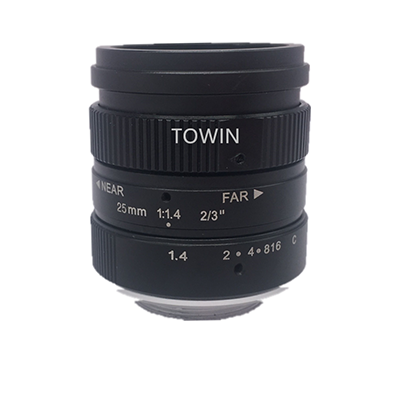
25MM Low Distortion Machine Vision Lenses
4. Challenges and Considerations
While zoom machine vision lenses offer unparalleled benefits, they’re not without challenges:
- Cost: High-quality zoom lenses can be 2–3 times pricier than fixed lenses. However, their long-term ROI often justifies the investment.
- Complexity: Precision engineering is required to minimize image distortion during zoom adjustments.
- Speed Limitations: Some zoom mechanisms may lag in ultra-high-speed applications, though advancements in motorized lenses are addressing this.
5. The Future of Zoom Machine Vision Lenses
As industries demand faster, more adaptable solutions, zoom lenses are evolving with:
- AI Integration: Smart lenses that auto-adjust zoom and focus based on object recognition.
- Liquid Lenses: Electrowetting technology enables instant focal changes without moving parts, boosting speed and durability.
- Miniaturization: Smaller, lighter lenses for use in drones and collaborative robots (cobots).
Conclusion
The zoom machine vision lens is not just a tool—it’s a catalyst for innovation in industrial automation. By merging flexibility, accuracy, and efficiency, it empowers manufacturers to tackle complex challenges head-on. Whether you’re inspecting microchips or assembling cars, investing in this technology is a step toward a smarter, more agile production future.