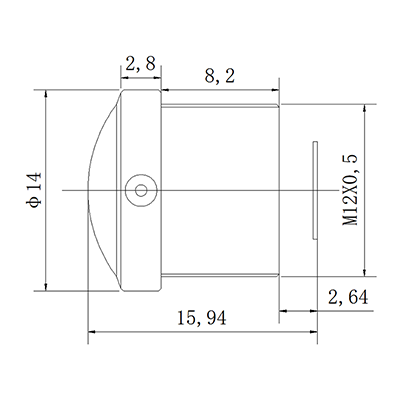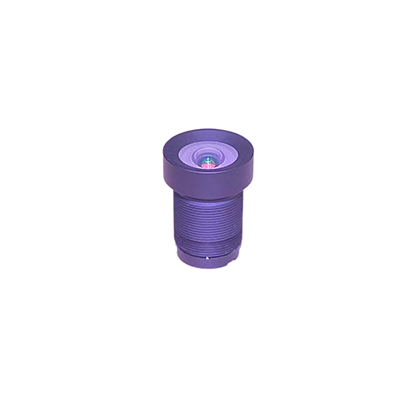



4-Megapixel F2.4 M12 mount fisheye lens
08/13/2025
How to use fixed-focus lenses?
08/14/2025
Portrait photography thrives on emotional connection, and the tools you use can make or break the impact of your images. Among these tools, wide aperture lenses stand out as a game-changer, offering unparalleled control over depth of field, light, and storytelling.
Why Wide Aperture Lenses Are Non-Negotiable for Portrait Photography
Wide aperture lenses—typically those with an f-stop of f/1.2, f/1.4, or f/1.8—are engineered to let in vast amounts of light while creating a shallow depth of field. This combination unlocks creative possibilities that standard lenses simply can’t match. Let’s dive into the top reasons why these lenses are indispensable for portrait photographers.
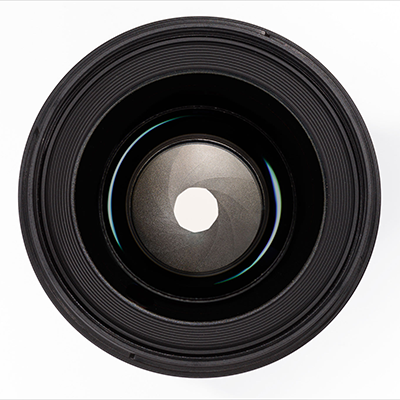
Wide aperture lenses
1. Unmatched Subject Isolation
The hallmark of a great portrait is the ability to draw attention to the subject while minimizing distractions. Wide aperture lenses excel at this by rendering the background (and foreground) in a smooth, creamy blur known as bokeh. This effect isolates your subject, making them the focal point of the image. For example, shooting at f/1.4 with an 85mm lens will turn a busy park into a soft, nondescript backdrop, ensuring all eyes are on your subject’s expression or gaze.
2. Superior Low-Light Performance
Portrait sessions don’t always happen under ideal lighting conditions. Whether you’re shooting indoors, during golden hour, or in dimly lit environments, wide aperture lenses allow you to capture sharp, noise-free images without relying on high ISO settings or slow shutter speeds. This is particularly beneficial when working with moving subjects, such as children or pets, where blur can ruin a shot. A lens like the Canon EF 50mm f/1.2L USM (external link) thrives in low light, delivering stunning results even when the sun dips below the horizon.
3. Flattering Compression and Perspective
Wide aperture lenses often come in focal lengths like 50mm, 85mm, or 105mm, which are ideal for portraits. These lengths provide natural-looking compression, meaning they flatten facial features slightly to avoid distortion. For instance, a wide-angle lens might exaggerate nose size or jawlines, while an 85mm lens at f/1.8 creates a more flattering, three-dimensional look. This compression also enhances background blur, further emphasizing your subject.
4. Creative Control Over Depth of Field
The ability to manipulate depth of field (DoF) is a cornerstone of artistic photography. Wide aperture lenses give you precise control over how much of the image is in focus. By adjusting your aperture from f/1.2 to f/2.8, you can transition from an ethereal, almost abstract background to a slightly sharper context that still keeps the subject center stage. This versatility is invaluable for storytelling, allowing you to convey mood, intimacy, or drama through subtle DoF changes.
5. Sharpness and Detail Where It Matters
Contrary to popular belief, wide aperture lenses aren’t just about blur—they’re also about clarity. When stopped down slightly (e.g., to f/2 or f/2.8), these lenses produce tack-sharp images with exceptional detail in the eyes, hair, and skin textures. Many high-end wide aperture lenses, like the Nikon Z 85mm f/1.2 S (external link), are optimized for edge-to-edge sharpness, ensuring your subject looks their best from any angle.Recommended Reading:Best aperture lenses for low-light photography
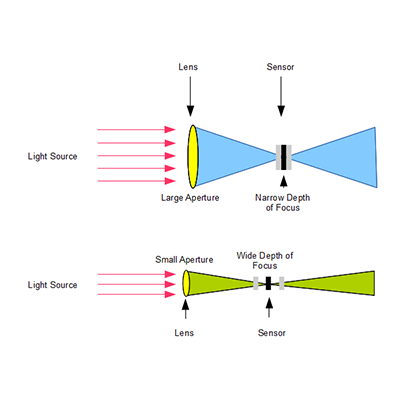
Optimal Aperture for Sharpness
Choosing the Right Wide Aperture Lens for Your Style
Not all wide aperture lenses are created equal, and your choice depends on your shooting preferences and budget. Here’s a quick guide:
- 50mm f/1.8 or f/1.4: Affordable, versatile, and great for full-body portraits or environmental shots.
- 85mm f/1.2 or f/1.8: The gold standard for headshots and tight portraits, offering unbeatable compression and bokeh.
- 105mm f/1.4 or f/2: Ideal for studio work or outdoor portraits where you need a bit more working distance.
Overcoming Common Challenges with Wide Aperture Lenses
While these lenses are powerful, they require practice to master:
- Autofocus Precision: At f/1.2, the depth of field is razor-thin. Use single-point autofocus and aim for the eyes to ensure sharpness.
- Manual Focus Override: Some lenses allow manual tweaking even in autofocus mode, which can be helpful for fine-tuning.
- Lens Flare: Shooting directly into light sources may cause flare. Use a lens hood or adjust your angle to mitigate this.
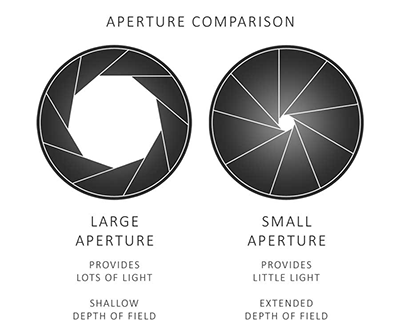
Aperture Comparison
Final Thoughts
Wide aperture lenses are more than just gear—they’re a gateway to capturing emotion, beauty, and authenticity. While they come at a premium, the results speak for themselves: portraits that resonate, inspire, and stand the test of time. If you’re serious about portrait photography, prioritizing a high-quality wide aperture lens is one of the best investments you can make.