


CCTV Lens in Modern Surveillance Systems
09/25/2025
Wholesale Fisheye Lens for Action Sports Cameras
09/25/2025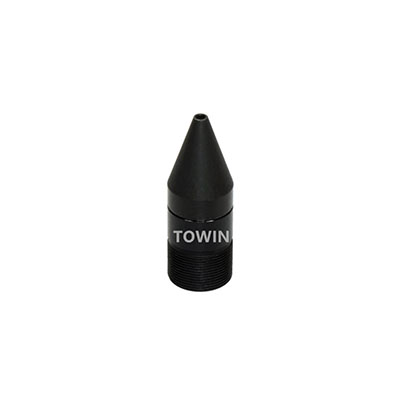
The world of optics is vast and intricate, but sometimes the simplest devices can offer the most profound insights. Among these, the pinhole lens stands out as a remarkable example of how basic principles can yield extraordinary results. Whether a photography lover, physics student, or light-curious explorer, understanding pinhole optics unlocks a fresh world of creative and scientific possibilities.
The Wonders of the Pinhole Lens
At its core, a pinhole lens is nothing more than a tiny aperture through which light passes to form an image. Unlike traditional lenses that use glass elements to focus light, a pinhole relies solely on the principles of diffraction and rectilinear propagation. This simplicity makes it an invaluable tool for exploring the fundamental behavior of light without the complexities introduced by multiple lens elements.
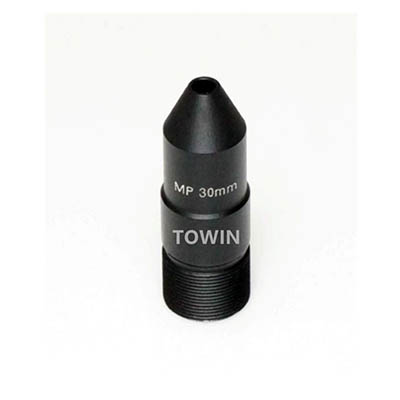
Pinhole-lens-30mm-IR-corrected-CCTV-M12-telecentric-lens
1. How Does a Pinhole Lens Work?
When light from a scene passes through the tiny hole in a pinhole lens, each point on the object projects a beam of light that converges at a specific point on the image plane. Because the hole is so small, the light rays from different points on the object do not overlap significantly, resulting in a sharp but dim image. The smaller the pinhole, the sharper the image, but also the less light that reaches the sensor or film, necessitating longer exposure times.
2. Advantages of Using a Pinhole Lens
One of the most significant advantages of a pinhole lens is its infinite depth of field. Since every point in the scene is in focus, regardless of its distance from the camera, pinhole photography can capture landscapes with stunning clarity from foreground to background. Additionally, pinhole lenses are incredibly lightweight and inexpensive to produce, making them accessible to hobbyists and professionals alike.
3. Creative Applications of Pinhole Optics
The unique properties of the pinhole lens lend themselves to a variety of creative applications. From capturing dreamy, soft-focus portraits to experimenting with long-exposure techniques, pinhole photography encourages artists to think outside the box. For those interested in delving deeper into the technical aspects, resources like Cambridge in Colour offer comprehensive guides on pinhole camera construction and usage.
4. Limitations and Challenges
While the pinhole lens offers many benefits, it also comes with certain limitations. The primary challenge is the trade-off between image sharpness and brightness. Achieving a sharp image requires a very small pinhole, which in turn reduces the amount of light reaching the sensor, leading to longer exposure times. This can make pinhole photography less practical in low-light conditions or for capturing fast-moving subjects.
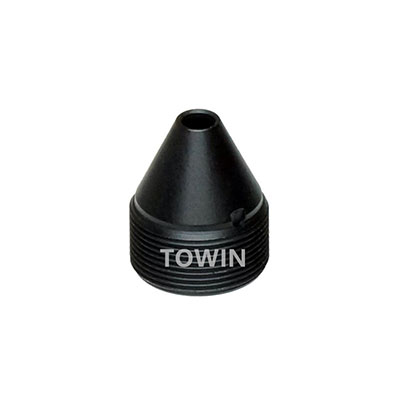
Pinhole-lens-10mm-IR-corrected
Conclusion
The pinhole lens is a testament to the beauty of simplicity in optics. By harnessing the basic principles of light, it provides a unique perspective that challenges our conventional understanding of photography. Whether you’re looking to experiment with new techniques or simply gain a deeper appreciation for the science behind image formation, exploring pinhole optics is a rewarding endeavor. So grab a camera, craft a pinhole, and start uncovering the magic for yourself!