


What is a C-Mount lens used for?
11/12/2025
Wide Angle M12 S-mount 3mm board lens
11/12/2025
When it comes to M12 lenses, understanding thread size is crucial for ensuring proper installation and optimal performance. The thread size for M12 lenses plays an essential role in their compatibility with various devices, such as cameras, sensors, and industrial equipment.
What Are M12 Lenses?
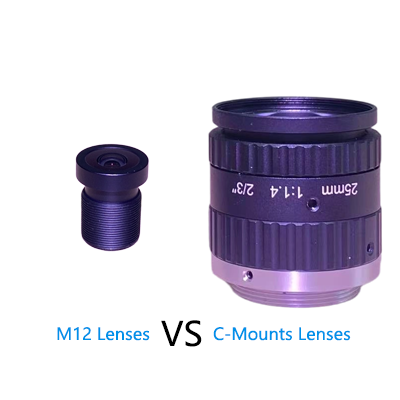
M12 lenses are small, compact optical lenses commonly used in industrial applications, including machine vision, surveillance cameras, and automation systems. These lenses are designed to fit M12 threaded mounts, which is where the thread size comes into play. The M12 specification refers to a 12mm diameter thread, commonly used in sensor and camera systems for secure mounting. However, despite the commonality of the M12 thread, it is essential to understand the different variations and sizes to ensure proper fitment.
Understanding Thread Sizes for M12 Lenses
The thread size for M12 lenses is generally standardized to a 12mm diameter, but other factors need to be considered when selecting the correct lens. These factors include the thread pitch, length, and material. Here is a breakdown of the key elements to understand when working with M12 lenses:
1. Thread Diameter:
The diameter of the M12 thread is 12mm, which is typically the most commonly used size for a variety of applications. This standardized diameter ensures compatibility with many sensor and camera devices.
2. Thread Pitch:
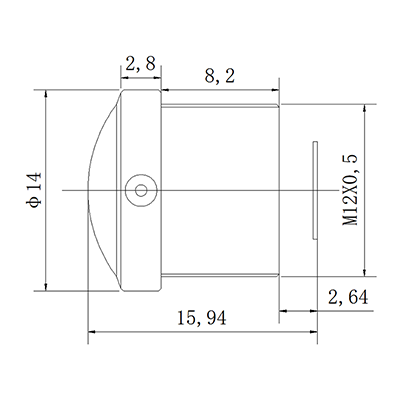
The pitch refers to the distance between threads. M12 lenses usually have a pitch of 0.5mm, but other variations with different pitches, such as 0.75mm, can also be found. The pitch of the thread affects how the lens screws into the mount, influencing how securely it sits. Ensure you match the pitch of the lens with the corresponding mount.
3. Thread Length:
The length of the thread determines how deep the lens can be screwed into the mount. It’s important to select a thread length that matches your device’s specifications. Some lenses have shorter threads, while others have longer ones, so it’s essential to verify the length needed for your specific setup.
4. Thread Type:
The most common type of M12 thread is the “metric” thread, with a 1.0mm or 0.5mm pitch. However, it’s essential to check whether your device requires a different thread type or standard, as some manufacturers may use non-standard threads.
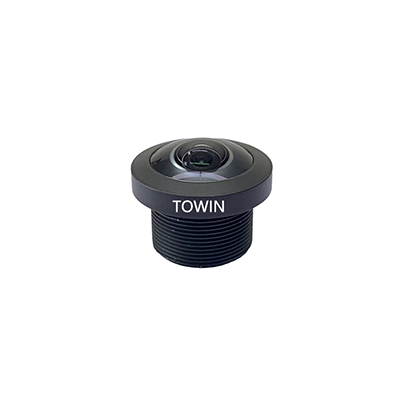
Fisheye lens 1/3″ Φ3 210° HD M12 mount lens
How to Choose the Right M12 Lens for Your Equipment
Choosing the right M12 lens depends on a variety of factors. Here’s a quick guide to help you make an informed decision:
1. Check Compatibility:
Ensure that the lens you choose is compatible with your camera or sensor. Verify the thread size, pitch, and mount specifications before making a purchase.
2. Consider the Application:
Think about your specific use case. Are you using the lens for high-precision measurements, or is it part of a security system? Different applications may require lenses with specific characteristics, such as wider fields of view or higher optical quality.
3. Material and Build Quality:
The material of the lens housing plays a role in durability and stability. Lenses made from high-quality metal are often more durable and resistant to wear over time.
4. Check the Lens Type:
Some M12 lenses come with features such as adjustable focal lengths or different optical coatings. Choose a lens that matches your optical requirements, whether it’s for wide-angle or telephoto purposes.
Why Thread Size Matters for M12 Lenses
The thread size of M12 lenses is vital for secure mounting and ensuring the lens stays in place during operation. A poor fit can lead to issues such as misalignment, blurry images, or lens damage. Ensuring that you use the correct thread size prevents such problems and enhances the overall functionality of your optical system.

M12 CCTV lens 3-Megapixel IR corrected
Common Issues with Thread Size and How to Avoid Them
Even with the standardization of M12 lenses, you may still encounter challenges when working with different thread sizes. Here are some of the most common issues:
1. Cross-threading:
If the lens is not aligned properly with the mount, it may result in cross-threading, where the threads are damaged, making it impossible to secure the lens properly.
2. Loose Mounting:
If the thread pitch or length does not match the mount, the lens may become loose, causing instability or blurry images.
3. Incompatibility with Equipment:
Not all M12 lenses are compatible with every M12 mount. Always verify that the lens specifications match the mount before purchasing.
FAQ:
1. How do I measure the thread size for M12 lenses?
To measure the thread size for M12 lenses, use a caliper to measure the diameter of the threaded portion of the lens. The standard thread diameter for M12 lenses is 12mm, but it is always best to double-check the pitch and length as well.
2. Can I use any M12 lens with my equipment?
No, you must ensure that the thread size, pitch, and length of the M12 lens match the specifications of your equipment. Using the wrong thread size can result in poor performance or damage to the lens and mount.
3. What is the typical thread pitch for M12 lenses?
The most common thread pitch for M12 lenses is 0.5mm, although other variations with a pitch of 0.75mm can also be found. Always check the thread pitch before purchasing a lens.
4. Are M12 lenses available in different materials?
Yes, M12 lenses are available in a variety of materials, including metal and plastic. The material affects the lens’s durability and resistance to wear. Metal lenses are generally more robust and reliable.
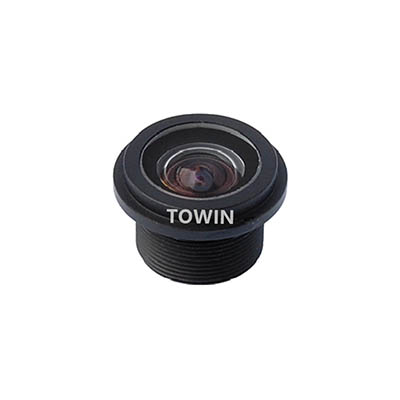
1.5mm F2.0 M12 Mount Automotive lens
Conclusion
Understanding the thread size for M12 lenses is essential for ensuring that your lenses fit securely and perform optimally. Whether you’re working with cameras, sensors, or other devices, paying attention to thread diameter, pitch, and length will help you avoid compatibility issues and enhance the functionality of your optical systems.