ISO-certified low distortion lens
10/20/2025
M12 Lenses: 2.8mm Focal Length
10/20/2025
Photography enthusiasts and professionals alike often encounter terms like aperture and f-stop, but understanding the difference between aperture and f-stop can be pivotal in mastering the art of photography. These two concepts, while interrelated, serve distinct purposes in controlling the amount of light that reaches the camera sensor and the depth of field in your images.
The Core Difference Between Aperture and F-Stop
At the heart of the difference between aperture and f-stop lies their definitions and functions. Aperture refers to the opening in a lens through which light passes to enter the camera. It is a physical diameter that can be adjusted to control the intensity of light hitting the sensor. On the other hand, f-stop (or f-number) is a numerical value that represents the ratio of the lens’s focal length to the diameter of the aperture. This ratio is crucial as it quantifies the light-gathering ability of the lens.
Aperture: The Gateway to Light
Aperture is measured in f-stops, but it is essentially the size of the opening. A larger aperture (represented by a smaller f-stop number like f/1.4) allows more light to pass through, making it ideal for low-light conditions or when you want to create a shallow depth of field. Conversely, a smaller aperture (a higher f-stop number like f/16) restricts the amount of light, which is useful in bright environments or when you desire a greater depth of field.
Towin’s Lens Aperture Features:
Towin lenses are designed with precision to offer a wide range of aperture settings. For instance, the Towin 50mm f/1.8 lens provides an excellent balance between light intake and depth of field control, making it a versatile choice for portrait and street photography.
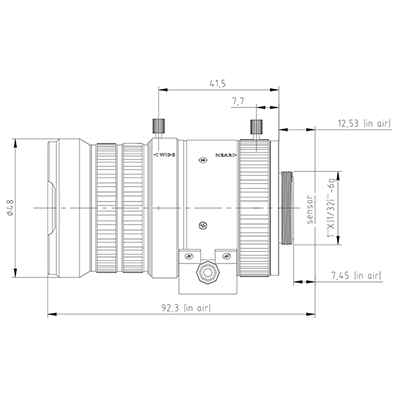
Macro lenses with adjustable aperture
F-Stop: The Numerical Key to Exposure
F-stop values are inversely proportional to the aperture size. This means that as the f-stop number increases, the aperture size decreases, and vice versa. The f-stop scale typically includes values like f/1.4, f/2, f/2.8, f/4, f/5.6, f/8, f/11, f/16, and f/22. Each step in this scale represents a halving or doubling of the light entering the camera, depending on whether you’re moving to a smaller or larger f-stop.
Towin’s F-Stop Precision:
Towin lenses are engineered to provide consistent and accurate f-stop settings. The Towin 85mm f/1.4 lens, for example, offers exceptional sharpness and bokeh, thanks to its precise f-stop control, making it a favorite among portrait photographers.
Impact on Depth of Field
One of the most significant differences between aperture and f-stop is their impact on depth of field. Aperture size directly influences how much of the scene is in focus. A larger aperture (smaller f-stop) results in a shallow depth of field, where only the subject is in sharp focus, and the background is beautifully blurred. This effect is highly sought after in portrait and macro photography.
Towin’s Depth of Field Mastery:
Towin lenses excel in creating stunning depth of field effects. The Towin 35mm f/1.4 lens, with its wide aperture, allows photographers to achieve that coveted creamy bokeh while maintaining clarity on the subject.
Practical Applications and Towin’s Offerings
Understanding the difference between aperture and f-stop is essential for selecting the right lens for your photography needs. Towin offers a range of lenses that cater to various styles and preferences. Whether you’re shooting landscapes, portraits, or action, Towin has a lens designed to meet your requirements.
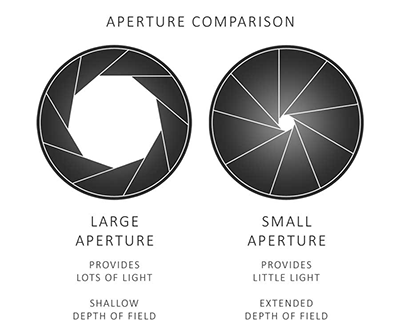
Lens Aperture
FAQs
1. What is the main difference between aperture and f-stop?
The main difference between aperture and f-stop is that aperture refers to the physical opening of the lens through which light passes, while f-stop is a numerical value that represents the ratio of the lens’s focal length to the aperture diameter.
2. How does aperture affect image quality?
Aperture affects image quality by controlling the amount of light that enters the camera and the depth of field. A larger aperture allows more light and creates a shallow depth of field, which can result in a softer background and a sharper subject.
3. What is the best f-stop for portrait photography?
The best f-stop for portrait photography is typically between f/1.4 and f/2.8. These settings provide a shallow depth of field, which helps to isolate the subject from the background and create a pleasing bokeh effect.
4. Can changing the f-stop affect the exposure of an image?
Yes, changing the f-stop affects the exposure of an image. A lower f-stop number (larger aperture) allows more light to enter the camera, resulting in a brighter image, while a higher f-stop number (smaller aperture) restricts the light, making the image darker.
5. Are Towin lenses suitable for professional photography?
Absolutely. Towin lenses are designed with high-quality materials and precision engineering, making them suitable for both amateur and professional photographers. Their range of lenses caters to various photography styles, ensuring optimal performance in any setting.

lens aperture
Conclusion
Grasping the difference between aperture and f-stop is vital for photographers aiming to upskill and capture breathtaking images. Towin’s range of lenses offers the perfect blend of aperture control and f-stop precision, ensuring that you can achieve the desired effects in your photography. Whether you’re a beginner or a seasoned pro, Towin has the tools you need to bring your vision to life.