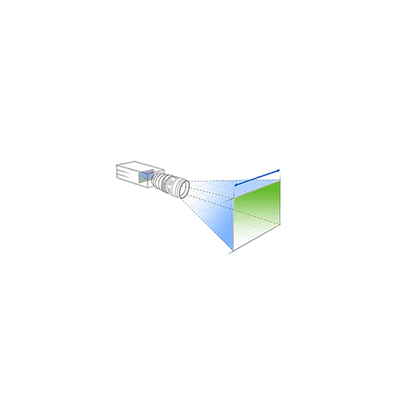



8-Megapixel F2.0 M12 mount Fisheye Lens
08/06/2025
Aperture techniques for macro photography
08/07/2025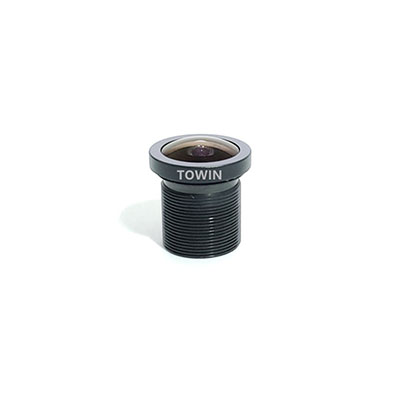
For decades, portrait photographers have relied on telephoto lenses (85mm, 135mm, or 200mm) to flatten perspectives and isolate subjects. But what if we told you that a wide-angle lens—often dismissed as a tool for landscapes or architecture—could unlock unparalleled creativity in portraiture? While controversial, this lens type offers unique advantages when used intentionally.
The Wide-Angle Lens in Portraiture: Breaking the Rules with Purpose
A wide-angle lens (typically 35mm or wider on full-frame cameras) is designed to capture expansive scenes by exaggerating perspective and including more of the environment. Critics argue that this distortion creates unflattering facial features, such as enlarged noses or receding hairlines. However, when wielded strategically, these “flaws” become artistic assets.
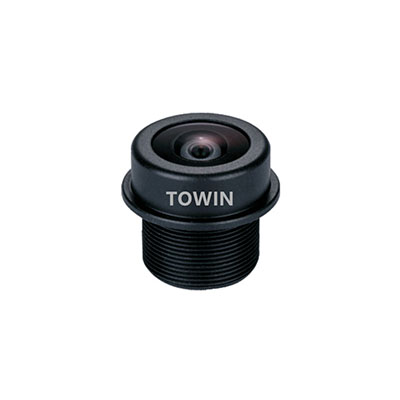
1.6mm F1.8 S-Mount Wide Angle Lens
1. Dynamic Perspective and Environmental Storytelling
A wide-angle lens forces you to step closer to your subject, creating dramatic relationships between the person and their surroundings. This proximity emphasizes foreground elements while maintaining background context—perfect for editorial portraits or travel photography. For example, photographing a street artist in their urban workspace with a 24mm lens can convey energy and authenticity that a telephoto lens would strip away.
Pro Tip: Position your subject near the edge of the frame to amplify perspective distortion subtly. This technique draws attention to their expression while keeping the environment relevant.
2. Emphasizing Facial Features (Yes, Really!)
While distortion is often seen as negative, it can highlight a subject’s unique traits. A wide-angle lens elongates limbs and exaggerates cheekbones, making it ideal for fashion or artistic portraits. Model and photographer Brooke Shaden frequently uses wide angles to create surreal, larger-than-life characters.
Key Technique: Shoot from a low angle to elongate the body and add power to the subject’s stance. This works wonders for athletic or confident portraits.
3. Creative Depth of Field
Contrary to popular belief, wide-angle lenses can produce shallow depth of field when used at their widest apertures (e.g., f/1.4 or f/2.8). While the background won’t melt into buttery bokeh like a 85mm lens, the separation between subject and environment remains distinct. This balance is invaluable for environmental portraits where context matters but distractions must be minimized.
Example: A 35mm lens at f/2.8 can isolate a chef in a bustling kitchen while keeping the stove and ingredients slightly blurred but recognizable.
4. Group Portraits Made Easy
Capturing large groups without stepping back into a wall? A wide-angle lens solves this problem effortlessly. By shooting at 24mm or wider, you can fit 10+ people into a single frame without cropping or awkward spacing.
Avoid Common Pitfalls:
- Keep the camera level to prevent extreme distortion at the frame’s edges.
- Ask subjects to avoid standing in straight lines; staggered positions look more natural.
5. Low-Light Versatility
Many wide-angle lenses (like the Sony 24mm f/1.4 GM or Nikon Z 28mm f/2.8) excel in low light, thanks to their fast apertures. This makes them perfect for indoor portraits or candlelit sessions where artificial lighting isn’t an option.
Bonus: The wider field of view lets you incorporate ambient light sources (e.g., string lights or neon signs) to add mood without overexposing the subject.

2.8mm 5MP short-focus Lens
When to Avoid a Wide-Angle Lens for Portraits
Despite its strengths, the wide-angle lens isn’t universally flattering. Here are scenarios where traditional lenses shine:
- Commercial Headshots: Clients often want minimal distortion for professional profiles.
- Intimate Close-Ups: Telephoto lenses compress features for a softer look.
- Tight Spaces: If you can’t step back far enough, a 50mm lens might be more practical.
Mastering the Wide-Angle Portrait: Quick Tips
- 1. Shoot Vertically: Rotate your camera to portrait orientation to minimize horizontal distortion.
- 2. Use Leading Lines: Guide the viewer’s eye with architectural elements like staircases or fences.
- 3. Experiment with Angles: High angles shrink subjects, while low angles amplify their presence.
- 4. Post-Processing: Correct minor distortion in Lightroom’s Lens Corrections panel if needed.

2.8mm wide angle CCTV lens
Final Verdict: Embrace the Unconventional
The wide-angle lens is not a replacement for traditional portrait lenses but a powerful addition to your toolkit. By leveraging its distortion, depth, and environmental focus, you can create portraits that feel bold, authentic, and unforgettable.
Ready to try it yourself? Start with a 35mm prime lens—it’s versatile enough for both portraits and everyday shooting. Remember, photography isn’t about following rules; it’s about expressing your vision.