


What Is a P-Iris Lens in CCTV Cameras?
11/12/2025
ASTM-tested Automotive lens
11/12/2025
When it comes to capturing wide, immersive views or achieving that signature exaggerated perspective, a fisheye lens is a must-have tool for photographers and videographers alike. But, with so many different camera systems and lens options available, understanding fisheye lens compatibility can be a challenge.
What is a Fisheye Lens and Why is Compatibility Important?
A fisheye lens is an ultra-wide-angle lens that produces a distinctive, curved, and exaggerated image, often with a 180-degree field of view. This lens type is widely used in creative photography, especially for action shots, architectural photography, and artistic expression. The key feature of fisheye lenses is their ability to capture a wide perspective, often with a spherical or circular effect.
However, not all fisheye lenses are created equal, and their fisheye lens compatibility with your camera depends on several factors such as the camera body type, sensor size, and mount system. When choosing a fisheye lens, it’s crucial to ensure that the lens is compatible with your camera’s specific features to avoid issues with mounting or image quality.
Understanding Camera Systems and Fisheye Lens Compatibility
One of the first things to consider when evaluating fisheye lens compatibility is the camera system you’re using. Different camera manufacturers have different lens mount types, which directly affect the compatibility of fisheye lenses. Here’s a breakdown of how compatibility works across major camera systems:
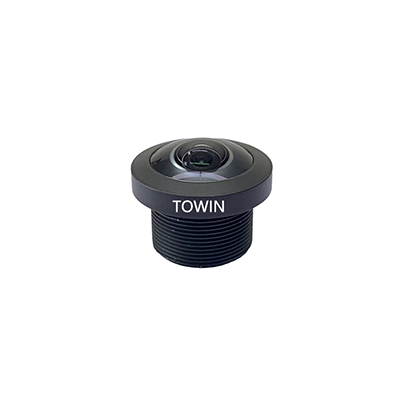
Fisheye lens 1/3″ Φ3 210° HD M12 mount lens
1. DSLR and Mirrorless Camera Mounts
DSLR cameras typically use either Canon’s EF or Nikon’s F mount, while mirrorless cameras use mounts like Sony’s E-mount, Canon’s RF mount, or Nikon’s Z-mount. These mount systems are designed for specific sensor sizes, and the fisheye lens compatibility largely depends on whether the lens is designed to fit a full-frame or crop-sensor camera.
- Full-frame sensors (35mm format) provide the widest possible image coverage and are often the ideal choice for fisheye lenses, as they can take full advantage of the lens’s field of view.
- Crop-sensor cameras (APS-C format) have smaller sensors, which means that a fisheye lens may provide a narrower field of view, sometimes resulting in a “zoomed-in” effect. This is an important consideration when choosing the right lens.
2. Lens Mounts and Fisheye Lens Compatibility
Every camera brand has its own lens mount system. For example:
- Canon: Canon’s EF lenses are compatible with their full-frame DSLRs, while the EF-S lenses are designed specifically for crop-sensor cameras. Canon’s mirrorless systems, such as the EOS R series, use the RF lens mount.
- Nikon: Nikon DSLR cameras use the F-mount, and their mirrorless cameras use the Z-mount, each requiring different lens designs.
- Sony: Sony’s mirrorless cameras are known for their E-mount lenses, which are popular for their wide range of fisheye options.
It is essential to verify that the fisheye lens you’re considering is made for the correct mount type. Some third-party lens manufacturers like Towin make fisheye lenses for multiple mounts, so make sure the lens is compatible with your specific camera model.
Full-Frame vs. Crop-Sensor Compatibility
Another crucial aspect of fisheye lens compatibility is the sensor size. As mentioned earlier, the size of the sensor will impact the final image you get with a fisheye lens. For full-frame cameras, the fisheye lens will capture a 180-degree view, resulting in the classic fisheye distortion.
However, on a crop-sensor camera, the lens may offer a less extreme fisheye effect, and you might lose some of the wide-angle capabilities due to the crop factor. For example, a fisheye lens designed for full-frame cameras may provide a field of view of 180 degrees, but on an APS-C sensor, it could be more like 120 to 150 degrees depending on the crop factor.
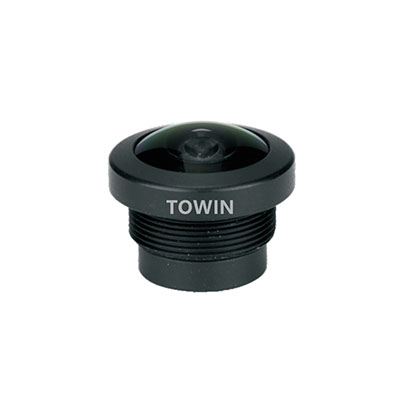
4-Megapixel F2.4 M12 mount fisheye lens
Fisheye Lens Compatibility for Specific Photography Styles
When considering fisheye lens compatibility, it’s important to think about the style of photography or videography you plan to do. For example, if you’re into extreme sports photography, a fisheye lens on a crop-sensor camera can still offer excellent results, but for more standard landscape or architectural photography, a full-frame fisheye lens may be a better fit.
If you’re a vlogger or filmmaker, the fisheye lens can be an excellent choice for creating dynamic and engaging content. The wide-angle effect and the dramatic curvature can add a creative flair to your shots. However, make sure your camera’s autofocus, image stabilization, and sensor size are compatible with the fisheye lens you’re using for optimal results.
FAQs
1. Is the fisheye lens compatible with my Canon DSLR camera?
Yes, many fisheye lenses are compatible with Canon DSLR cameras, but you must ensure that the lens is designed for your specific camera mount, such as the EF or EF-S mount. If you’re using a full-frame Canon DSLR, you’ll have more flexibility with fisheye lenses. For crop-sensor Canon cameras, the fisheye lens will provide a narrower field of view.
2. Can I use a fisheye lens on a crop-sensor camera?
Yes, you can use a fisheye lens on a crop-sensor camera, but the field of view will be narrower than on a full-frame camera due to the crop factor. This will result in less pronounced fisheye distortion, but you can still achieve wide-angle shots.
3. Do third-party fisheye lenses work with my camera?
Yes, third-party fisheye lenses, such as those from Sigma, Rokinon, and Samyang, are compatible with most camera systems, including Canon, Nikon, and Sony. Just make sure that the lens you choose is designed for your camera’s specific mount and sensor size.
4. Can I use a fisheye lens for videography?
Absolutely! Fisheye lenses are great for capturing dynamic and immersive footage, especially for action shots or unique perspectives. Make sure that the fisheye lens you choose has good autofocus performance and works well with your camera’s video features.
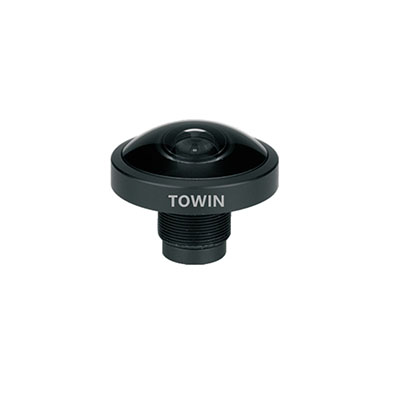
8-Megapixel F2.0 M12 mount Fisheye Lens
Conclusion
Understanding fisheye lens compatibility is essential for getting the most out of this unique lens type. By considering your camera’s mount system, sensor size, and the style of photography or videography you do, you can choose the perfect fisheye lens for your needs. Whether you’re a beginner or a seasoned pro, the fisheye lens can bring an exciting new perspective to your work.