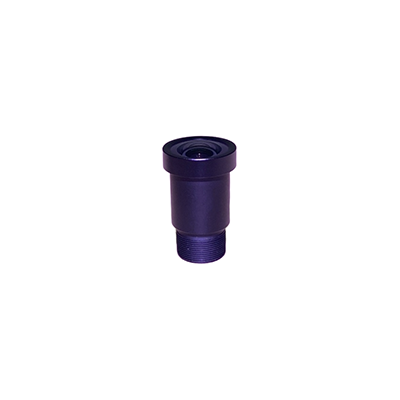



Custom focal length low distortion lens
10/17/2025
M12 lens compatibility with Raspberry Pi cameras
10/17/2025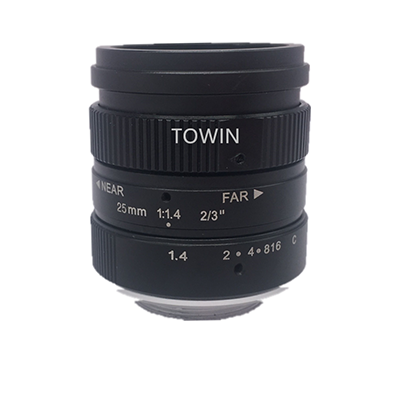
In the fast-paced world of automotive manufacturing, precision and efficiency are not just goals—they are essential for survival. As vehicles become more complex and technology-driven, the need for advanced inspection methods has skyrocketed. Enter Machine Vision lenses used in automotive inspection, a game-changing technology that is transforming how manufacturers ensure quality, safety, and performance.
Why Machine Vision Lenses Are Critical in Automotive Inspection
Automotive inspection is no longer about human eyes scrutinizing parts for defects. Today, it involves high-speed, high-resolution imaging systems that can detect flaws invisible to the naked eye. Machine Vision lenses used in automotive inspection play a pivotal role by capturing clear, detailed images of components, assemblies, and even entire vehicles.
These lenses are engineered to work seamlessly with cameras and software, enabling real-time analysis of data. Whether it’s checking for surface scratches, measuring dimensions, or verifying alignment, Machine Vision lenses provide the accuracy and speed needed to maintain production standards.

40mm C mount IR corrected machine vision lenses
How Machine Vision Lenses Enhance Automotive Inspection Processes
1. High-Resolution Imaging for Precision
Machine Vision lenses are designed to deliver ultra-sharp images, allowing inspectors to identify even the smallest defects. For example, in engine assembly, these lenses can detect microscopic cracks in cylinder heads or misalignments in gear teeth—issues that could lead to catastrophic failures if left unchecked.
2. Speed and Efficiency
Traditional inspection methods are time-consuming and prone to human error. With Machine Vision lenses used in automotive inspection, manufacturers can scan hundreds of parts per minute with consistent accuracy. This reduces downtime, minimizes waste, and accelerates production cycles.
3. Adaptability to Complex Environments
Automotive factories are harsh environments filled with dust, vibrations, and extreme temperatures. Machine Vision lenses are built to withstand these conditions, ensuring reliable performance even in challenging settings.
4. Integration with AI and Advanced Software
Modern Machine Vision systems leverage artificial intelligence (AI) to analyze images and make instant decisions. For instance, AI-powered software can compare scanned parts against digital twins, flagging deviations and triggering corrective actions automatically.
5. Cost-Effectiveness Over Time
While the initial investment in Machine Vision technology may seem high, the long-term savings are substantial. Reduced rework, fewer recalls, and enhanced customer satisfaction translate into significant ROI for automotive companies.
Real-World Applications of Machine Vision Lenses in Automotive Inspection
- Body Panel Inspection: Ensuring perfect fit and finish by detecting dents, scratches, or paint defects.
- Tire Quality Control: Checking for tread uniformity, sidewall imperfections, and bead wire alignment.
- Engine Component Verification: Measuring tolerances in pistons, crankshafts, and camshafts to sub-micron levels.
- Assembly Line Monitoring: Verifying that all parts are correctly installed before vehicles move to the next stage.
- End-of-Line Testing: Conducting final inspections to ensure compliance with safety and regulatory standards.
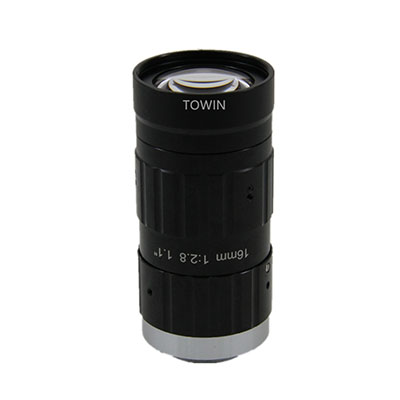
C-mount Machine Vision lens
Common Challenges and Solutions in Using Machine Vision Lenses
Despite their advantages, implementing Machine Vision lenses used in automotive inspection comes with challenges:
- Lighting Conditions: Poor lighting can affect image quality. Solution: Use specialized LED lighting systems optimized for Machine Vision applications.
- Lens Calibration: Misalignment can lead to inaccurate measurements. Solution: Regular calibration and maintenance routines.
- Data Overload: Handling vast amounts of image data requires robust computing power. Solution: Deploy edge computing solutions to process data locally.
FAQs
1. Can Machine Vision lenses detect all types of defects?
While highly effective, their success depends on proper lighting, calibration, and software algorithms. Some defects may require additional sensors or techniques.
2. How much do Machine Vision lenses cost?
Prices vary based on specifications, but entry-level systems start around 5,000,whileadvancedsetupscanexceed 50,000.
3. Are Machine Vision lenses suitable for small-scale manufacturers?
Yes! Many suppliers offer scalable solutions tailored to different production volumes and budgets.
4. What future trends can we expect in Machine Vision technology?
Advancements in 3D imaging, hyperspectral analysis, and deeper AI integration will further enhance inspection capabilities.
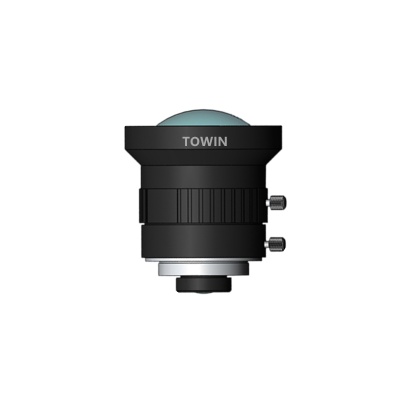
C mount machine vision lenses
Conclusion
The automotive industry is at a crossroads where traditional methods are being replaced by cutting-edge technologies. Machine Vision lenses used in automotive inspection represent a leap forward in quality control, offering unparalleled precision, speed, and reliability.