


FA Lens for Pharma Packaging
10/13/2025
High-transmittance low distortion lens
10/13/2025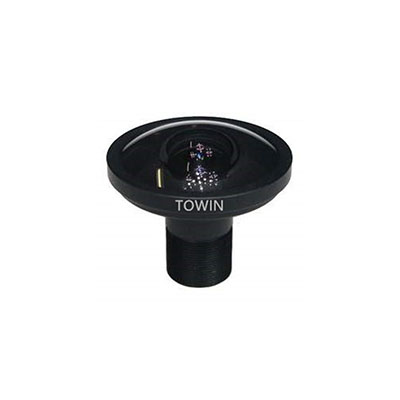
Real estate photography demands creativity, precision, and tools that capture spaces in their full glory. Enter the Fisheye Lens for Real Estate Photography—a game-changer for photographers aiming to showcase properties in unique, immersive ways.
Why Choose a Fisheye Lens for Real Estate Photography?
The Fisheye Lens for Real Estate Photography stands out for its ability to capture 180-degree views or more, bending straight lines into dramatic curves. While this distortion might seem unconventional, it serves a purpose:
- Maximize Space Perception: Tiny rooms or narrow hallways appear larger, addressing a common buyer concern.
- Highlight Architectural Features: Curved ceilings, grand staircases, or unique layouts gain prominence.
- Creative Storytelling: Fisheye shots evoke emotion, helping buyers envision themselves in the space.
- Time Efficiency: One fisheye shot can replace multiple standard-angle images, saving time during shoots.
However, misuse can lead to unrealistic portrayals. The key is balance—using the lens strategically to enhance, not exaggerate.
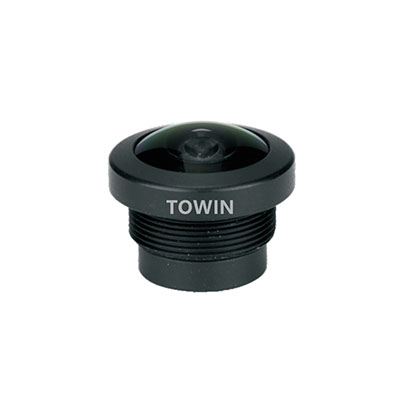
4-Megapixel F2.4 M12 mount fisheye lens
How to Use a Fisheye Lens for Real Estate Photography
Mastering the Fisheye Lens for Real Estate Photography requires technique and creativity. Here’s how to get started:
1. Positioning Matters
Place the camera at the center of the room, pointing straight ahead. Avoid tilting upward or downward, as this amplifies distortion and creates unnatural curves. For example, shooting a kitchen from waist height ensures appliances and cabinets appear proportionate.
2. Control Distortion
While distortion is the fisheye’s signature, excessive bending can distort furniture or walls. Use post-processing tools like Adobe Lightroom to correct minor issues. Alternatively, embrace the distortion for artistic shots—like capturing a circular view of a round dining table.
3. Lighting is Critical
Fisheye lenses often struggle in low light. Use natural light or supplemental lighting to avoid grainy images. For dimly lit basements, consider a tripod and longer exposure times.
4. Post-Processing Tips
Edit fisheye photos to enhance clarity and contrast. Remove lens flares or chromatic aberrations (color fringing) caused by the lens’s extreme curvature. Tools like Photoshop’s Adaptive Wide Angle can straighten lines selectively.
FAQs
1. Is a fisheye lens worth it for real estate photography?
Absolutely! If used correctly, it adds a “wow” factor to listings, especially for compact spaces. However, it’s not a replacement for standard lenses—think of it as a specialty tool.
2. Can fisheye lenses make rooms look smaller?
Ironically, yes—if used poorly. Placing the camera too close to a wall or tilting the lens upward can create a claustrophobic effect. Stick to center positioning and moderate angles.
3. What’s the best fisheye lens for real estate?
Popular choices include the Nikon 8-15mm f/3.5-4.5E ED (for Nikon cameras) and the Canon RF 15-30mm f/4.5-6.3 IS STM (for mirrorless systems). Rent before buying to test compatibility.
4. How do I avoid overusing fisheye effects?
Limit fisheye shots to 10-20% of your gallery. Pair them with traditional wide-angle and detail shots to maintain credibility.
5. Are fisheye lenses expensive?
Prices vary. Entry-level options cost 200−400, while professional-grade lenses exceed $1,000. Consider renting for occasional use.

Fisheye IR Cut Filter S-Mount Lens
The Pros and Cons of Fisheye Lens for Real Estate Photography
Pros:
- Space Enhancement: Makes small rooms feel airy.
- Artistic Appeal: Adds drama to otherwise mundane spaces.
- Efficiency: Fewer shots needed per room.
Cons:
- Distortion Risks: Can misrepresent proportions.
- Limited Use: Not ideal for all property types.
- Learning Curve: Requires practice to master.
Final Thoughts
The Fisheye Lens for Real Estate Photography isn’t just a novelty—it’s a strategic tool for photographers willing to experiment. By balancing creativity with authenticity, you can create listings that stand out in a crowded market.