


Pinhole Lens Definition
09/09/2025
Low distortion wide-angle 2.4mm lens
09/09/2025
When most photographers think of portrait lenses, they picture smooth bokeh, flattering compression, and natural skin tones. But what if you could shatter those expectations and inject a dose of surrealism into your portraits? Enter the Fisheye Lens for Portraits—a tool that bends reality, exaggerates perspectives, and turns ordinary faces into extraordinary works of art.
1. The Power of Distortion: Why Fisheye Works for Portraits
The defining feature of a fisheye lens is its extreme 180-degree field of view and barrel distortion, which curves straight lines into dramatic arcs. For portraits, this distortion can be used strategically to:
- Emphasize facial features: By positioning the subject’s nose or eyes near the center of the frame, you can create a striking, almost cartoonish effect.
- Add depth to environments: Fisheye lenses excel at capturing both the subject and their surroundings in a single, immersive shot. Use this to tell a story—whether it’s a musician surrounded by instruments or a dancer in a studio.
- Create a sense of scale: The exaggerated perspective makes even small rooms feel vast, ideal for environmental portraits in tight spaces.
Pro Tip: Keep your subject’s face centered to minimize unflattering distortion. For full-body shots, experiment with angles to highlight curves or lines in the background.
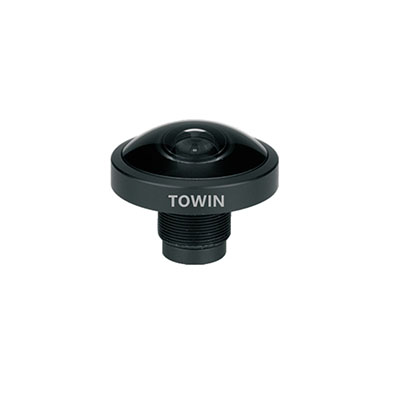
8-Megapixel F2.0 M12 mount Fisheye Lens
2. Lighting and Composition: Mastering the Fisheye Aesthetic
Using a fisheye lens for portraits requires rethinking traditional composition rules. Here’s how to adapt:
- Get close: Fisheye lenses perform best when you’re inches from your subject. This fills the frame with detail while intensifying distortion.
- Use natural light: Harsh shadows can clash with the lens’s curved edges. Opt for soft, diffused light (e.g., golden hour or overcast skies) to maintain balance.
- Simplify the background: Busy environments can become overwhelming with a fisheye. Choose minimalist settings or use the distortion to turn chaos into art.
3. Post-Processing: Enhancing the Fisheye Effect
While fisheye lenses deliver bold results straight out of the camera, post-processing can refine the look:
- Correct distortion (selectively): Tools like Lightroom’s “Lens Corrections” panel allow you to reduce distortion in specific areas while preserving the fisheye charm.
- Boost contrast and saturation: Fisheye shots often appear flatter than expected. Increase contrast to make features pop.
- Crop creatively: Don’t be afraid to crop tightly or at unusual angles to emphasize the lens’s unique perspective.
4. When to Avoid Fisheye for Portraits
Despite its creativity, the fisheye lens isn’t for every scenario:
- Commercial headshots: Clients seeking polished, professional images may find fisheye distortion distracting.
- Large groups: The extreme curvature can make people at the edges of the frame appear stretched or disproportionate.
- Low-light situations: Most fisheye lenses have small apertures (e.g., f/4 or higher), limiting their use in dim settings without a tripod.
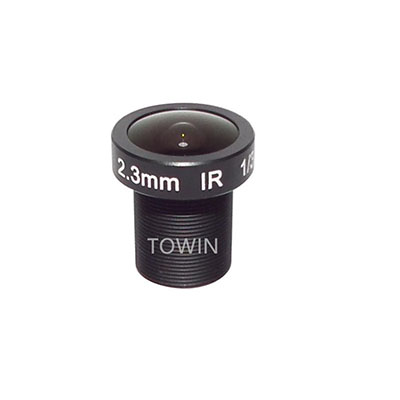
wide angle, 4 megapixel CCTV lens Fisheye Lens
5. Gear Guide: Choosing the Right Fisheye Lens
Not all fisheye lenses are created equal. Consider these factors:
- Focal length: Circular fisheyes (8mm) create a black vignette around the edges, while full-frame fisheyes (15–16mm) fill the frame with distortion.
- Aperture: A wider aperture (e.g., f/2.8) allows for better low-light performance and shallower depth of field.
- Weight and size: If you’re shooting handheld, prioritize lightweight options.
Final Thoughts
The Fisheye Lens for Portraits isn’t about perfection—it’s about pushing boundaries and challenging viewers to see the world differently. Whether you’re capturing a dancer’s fluidity or a musician’s intensity, this lens adds a layer of drama that standard primes can’t replicate.