


High-Contrast Wide Angle Lens
08/22/2025
Astronomy pinhole lens
08/22/2025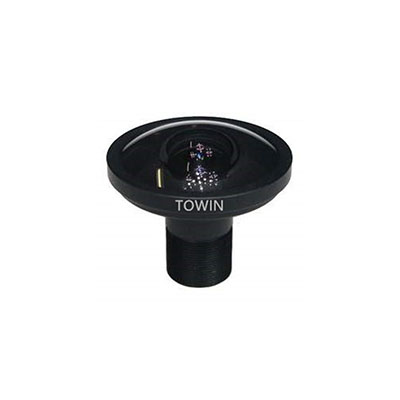
Fisheye lens are a thrilling addition to any photographer’s toolkit, offering ultra-wide perspectives and dramatic distortions that can transform ordinary scenes into extraordinary compositions. However, with Fisheye Lens Variations available, choosing the right one for your camera demands careful consideration.
Fisheye Lens Variations: Understanding the Basics
Fisheye lenses are categorized into two primary types: circular fisheye and full-frame fisheye. Each variation serves a distinct purpose, and their differences impact everything from field of view to distortion intensity.
Circular Fisheye Lenses
These lenses produce a circular image with black corners, capturing a full 180-degree view vertically and horizontally. The extreme curvature creates a “bubble-like” effect, ideal for experimental photography or capturing vast skies in astrophotography. Circular fisheyes are popular among action sports photographers and artists seeking surreal visuals.
Full-Frame Fisheye Lenses
Full-frame fisheyes fill the entire sensor or film plane, delivering a rectangular image with a 180-degree diagonal field of view. While still offering significant distortion, they provide a more natural balance compared to circular variants. This makes them versatile for landscapes, interiors, and creative portraits.
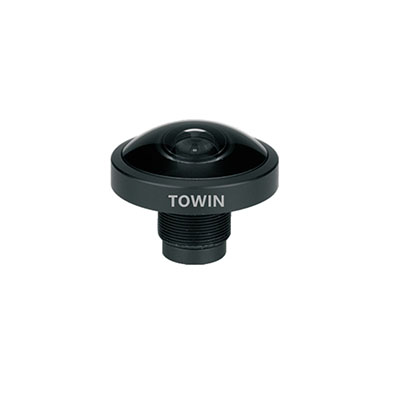
8-Megapixel F2.0 M12 mount Fisheye Lens
5 Key Factors to Consider When Choosing Fisheye Lens Variations
Selecting the right fisheye lens involves evaluating several technical and artistic elements. Here’s how to narrow down your options:
1. Compatibility with Your Camera System
Not all fisheye lenses work universally. Check if the lens is designed for your camera’s mount.
2. Focal Length and Angle of View
Fisheye lenses typically range from 4mm to 15mm. Shorter focal lengths (e.g., 8mm) provide wider views but intensify distortion, while longer focal lengths (e.g., 15mm) offer subtler effects.
3. Image Quality and Distortion Control
While distortion is inherent to fisheye lenses, some models minimize chromatic aberration and maintain sharpness across the frame.
4. Aperture and Low-Light Capability
A wider aperture (e.g., f/2.8) allows more light, making it easier to shoot in dim conditions or achieve shallow depth of field. However, fisheye lenses rarely feature large apertures due to their complex optics. Prioritize lenses with at least f/4 if low-light performance is critical.
5. Size, Weight, and Build Quality
Fisheye lenses are often compact, but their build quality varies. Weather-sealed models withstand dust and moisture, while plastic-bodied lenses may lack durability. Balance portability with robustness based on your shooting environment.

1.1mm Waterproof Fisheye Lens
When to Avoid Fisheye Lenses
While fisheye lenses excel in creativity, they’re not universal solutions. Avoid them for:
- Architectural photography where straight lines are critical.
- Portraits (unless aiming for a quirky aesthetic).
- Documentary or journalistic work requiring natural perspectives.
Final Thoughts
Fisheye Lens Variations open doors to unparalleled creativity, but success hinges on selecting the right tool for your vision. Start by defining your primary use case—are you chasing dramatic landscapes or avant-garde art? Then, prioritize compatibility, focal length, and image quality.