


Does a 16mm lens have distortion?
08/27/2025
Fisheye Lens with Enhanced Color Saturation
08/27/2025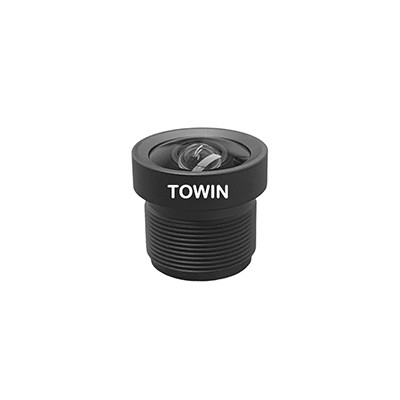
Photography thrives on perspective, and few tools redefine it as dramatically as a wide-angle lens. Whether you’re capturing sweeping landscapes, towering architecture, or intimate interior scenes, understanding the Wide Angle Lens Meaning is your gateway to unlocking creative possibilities.
Wide Angle Lens Meaning: Defining the Basics
A wide-angle lens is designed to capture a broader field of view than the human eye typically perceives. Typically ranging from 14mm to 35mm in focal length (on full-frame cameras), these lenses excel at fitting vast scenes into a single frame. The Wide Angle Lens Meaning isn’t just about technical specs—it’s about reimagining space. By distorting proportions slightly (especially at shorter focal lengths), they emphasize foreground elements while maintaining background context, creating a dynamic sense of depth.
For example, a 24mm lens might make a mountain range feel colossal while keeping a nearby wildflower in sharp focus, guiding the viewer’s eye through layers of detail. This effect is why wide-angle lenses are indispensable for landscape, real estate, and environmental portraiture photographers.
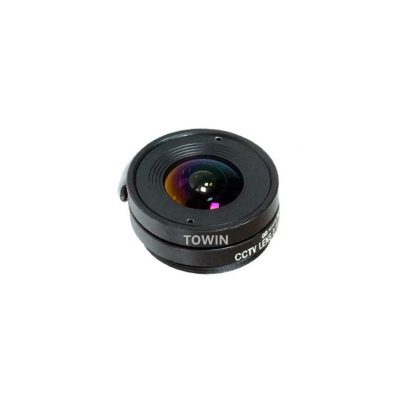
CS mount wide angle lens IR corrected
5 Key Insights into the Wide Angle Lens
1. Expansive Perspective, Dramatic Impact
The primary allure of wide-angle lenses lies in their ability to exaggerate scale. A 16mm lens can turn a narrow alleyway into a dramatic corridor of light and shadow, while a 20mm lens might make a crowd at a concert feel electric and immersive. This distortion, often called “stretching,” isn’t a flaw—it’s a feature. Skilled photographers use it to emphasize leading lines, like roads or rivers, that draw attention to a subject.
Pro Tip: To avoid unflattering distortion in portraits, keep your subject near the center of the frame. The edges of wide-angle shots tend to stretch facial features, which can create a comical (or unsettling) effect.
2. Low-Light Performance: A Hidden Advantage
Many wide-angle lenses boast fast apertures (e.g., f/2.8 or wider), allowing them to gather more light. This makes them ideal for astrophotography, where capturing the Milky Way’s faint glow requires both a broad view and exceptional low-light clarity. For cityscapes at dusk, a wide-angle lens can balance artificial lights with the fading sky, creating a moody, cinematic atmosphere.
3. Creative Composition Challenges
While wide-angle lenses are versatile, they demand thoughtful composition. Empty space can feel awkward, and cluttered frames may overwhelm viewers. To harness their power:
- Get close: Fill the foreground with texture (e.g., rocks, flowers) to add scale.
- Use layers: Position subjects at varying distances to create depth.
- Think vertically: Tilt your camera upward to emphasize towering trees or skyscrapers.
- Negative Sentiment Alert: Rushing without planning often leads to chaotic images. Patience is key!
4. Video Production: Smooth Movements, Immersive Scenes
Wide-angle lenses aren’t just for stills. In filmmaking, they enable dynamic tracking shots and establish settings quickly. A 24mm lens on a gimbal can follow a subject through a crowded market without losing context, while a 35mm lens mimics a natural viewpoint for dialogue scenes.
Fun Fact: The iconic “dolly zoom” effect in Jaws (1975) combines a wide-angle lens with a zoom lens to create disorientation—a testament to their storytelling potential.
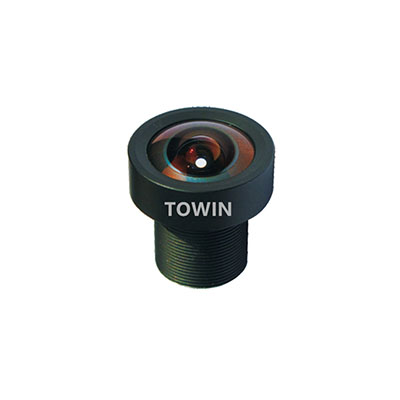
2.8mm drone UAV wide angle lens
5. When to Avoid Wide-Angle Lenses
Despite their strengths, wide-angle lenses aren’t universal solutions. For flattering portraits, telephoto lenses (85mm+) are preferable, as they compress features and isolate subjects. Similarly, macro photography requires specialized lenses to capture minute details without distortion.
Negative Sentiment Example: Using a wide-angle lens for a headshot might make your subject’s nose appear larger—a risky move unless you’re aiming for caricature!
Final Thoughts
The Wide Angle Lens Meaning transcends technical jargon—it’s about seeing the world differently. By mastering distortion, composition, and light, you can transform ordinary scenes into extraordinary narratives. Whether you’re a hobbyist or a professional, experimenting with wide-angle lenses will push your creativity to new heights.