Expert Agriculture Imaging Lens Supplier for Multispectral Technology
04/30/2026
Professional Optical Lenses Supplier: How to Choose the Right Partner for Your Application
05/02/2026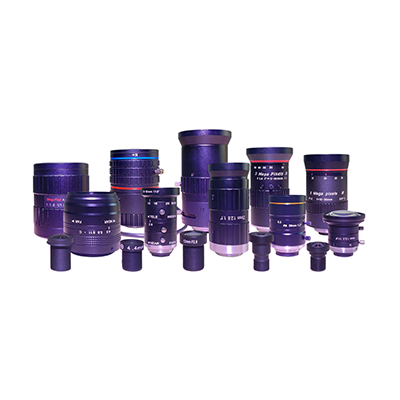
Key Takeaways
- M12 lenses are compact and cost-effective, ideal for embedded and consumer devices
- CS-mount lenses offer a balance between size and performance for surveillance systems
- C-mount lenses provide superior image quality for industrial and machine vision applications
- The key differences lie in size, flange distance, image quality, and application scenarios
- Choosing the right lens depends on:
- Camera compatibility
- Application requirements
- Field of view and resolution
- Incorrect lens selection can lead to focus issues, poor image quality, or incompatibility
Introduction
Choosing the right lens mount is a critical step when designing or upgrading a camera system. Whether you’re working on machine vision, surveillance, or embedded imaging, the lens directly impacts image quality, system compatibility, and overall performance.
Among the most commonly used lens types, M12 CS and C-Mount Lens each serve different purposes. However, many buyers and engineers struggle to understand:
- What are the real differences?
- Which one fits their camera?
- How to choose the right lens for their application?
This guide will walk you through everything you need to know — from basic definitions to practical selection strategies.
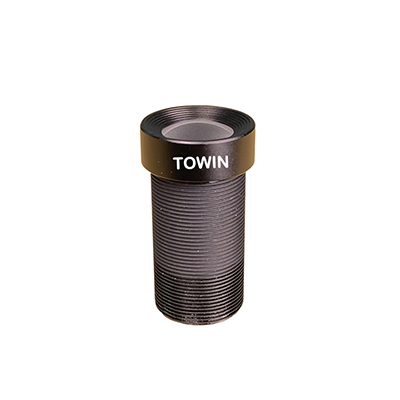
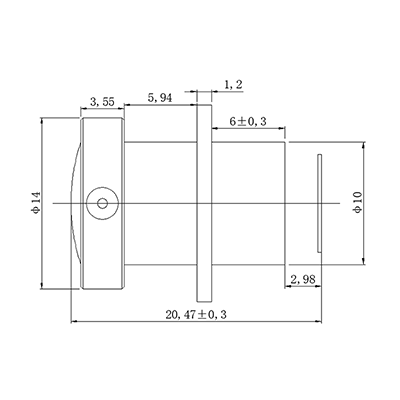
25mm M12 low-distortion lens
What Are M12 CS and C-Mount Lens?
M12 Lens (S-Mount)
- Also known as board lenses
- Thread size: M12 (12mm diameter)
- Common in compact devices
Key characteristics:
- Small size and lightweight
- Fixed or limited adjustment
- Low cost
CS-Mount Lens
- Standard interface used in security cameras
- Flange focal distance: 12.5mm
Key characteristics:
- Medium size
- Adjustable focus
- Compatible with many CCTV systems
C-Mount Lens
- Widely used in industrial and machine vision systems
- Flange focal distance: 17.5mm
Key characteristics:
- Larger and more robust
- High precision optics
- Supports high-resolution sensors

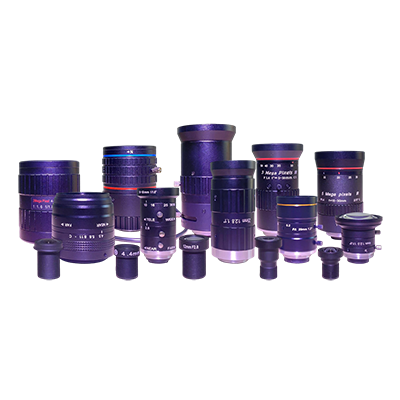
8-40mm C mount IR corrected machine vision lenses
M12 vs CS vs C-Mount: Key Differences
Comparison Table
| Feature | M12 Lens | CS-Mount Lens | C-Mount Lens |
|---|---|---|---|
| Size | Very Small | Medium | Large |
| Flange Distance | N/A | 12.5mm | 17.5mm |
| Image Quality | Basic | Moderate | High |
| Adjustability | Limited | Adjustable | Highly Adjustable |
| Cost | Low | Medium | High |
| Typical Use | Consumer Devices | Surveillance | Industrial Vision |
Structural Differences
| Aspect | M12 | CS-Mount | C-Mount |
|---|---|---|---|
| Mount Type | Threaded | Screw Mount | Screw Mount |
| Compatibility | Embedded cameras | CCTV cameras | Industrial cameras |
| Sensor Support | Small sensors | Medium sensors | Large sensors |
Detailed Overview of Each Lens Type
M12 Lens Overview
M12 lenses are designed for compact imaging systems where size and cost are critical.
- Advantages:
- Extremely compact
- Cost-effective for mass production
- Easy integration into small devices
- Limitations:
- Lower image quality
- More distortion (especially wide-angle)
- Limited adjustability
- Typical Applications:
- Dash cameras
- Smart home devices
- IoT cameras
- Mobile vision systems
CS-Mount Lens Overview
CS-mount lenses are widely used in security and surveillance systems.
- Advantages:
- Good balance between size and performance
- Adjustable focus
- Compatible with many CCTV cameras
- Limitations:
- Not suitable for high-end industrial imaging
- Limited support for very large sensors
- Typical Applications:
- CCTV cameras
- Access control systems
- General monitoring
C-Mount Lens Overview
C-mount lenses are the preferred choice for high-performance imaging systems.
- Advantages:
- Superior image clarity
- Supports high-resolution sensors
- Wide range of focal lengths
- Limitations:
- Larger size
- Higher cost
- Typical Applications:
- Machine vision
- Factory automation
- Medical imaging
- Scientific research
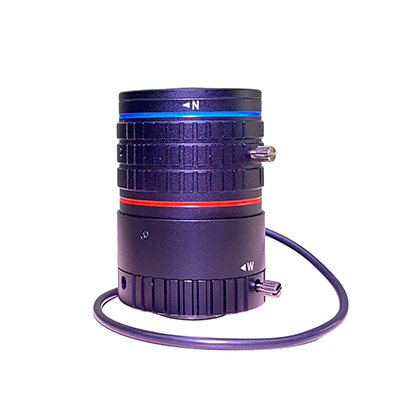
CS-Mount Lenses
How to Choose the Right Lens Mount: M12 CS and C-Mount Lens
Selecting the correct lens involves more than just picking a mount type. Follow this step-by-step approach:
Step 1: Check Camera Compatibility
- Verify your camera mount type (M12 / CS / C)
- Check sensor size compatibility
- Ensure flange distance matches
Step 2: Define Your Application
Ask yourself:
- Is this for industrial inspection? → C-mount
- Is this for security monitoring? → CS-mount
- Is this for compact embedded use? → M12
Step 3: Consider Key Optical Parameters
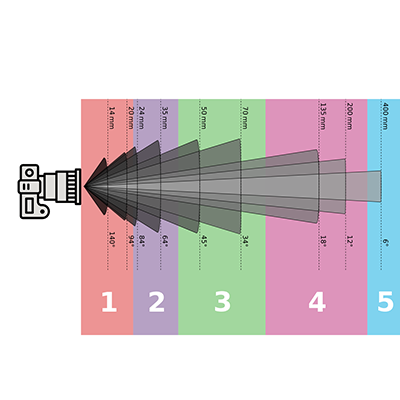
- Focal Length → Determines field of view
- Field of View (FOV) → Coverage area
- Resolution → Match lens to sensor resolution
- Working Distance → Distance to object
Step 4: Evaluate Budget vs Performance
| Priority | Recommended Lens |
|---|---|
| Low Cost | M12 |
| Balanced | CS |
| High Performance | C-Mount |
Typical Applications by Lens Type
M12 Lens Applications
- Smart home cameras
- Wearable devices
- Automotive systems
CS-Mount Lens Applications
- Surveillance cameras
- Office/building security
- Retail monitoring
C-Mount Lens Applications
- Machine vision inspection
- Robotics
- Industrial automation
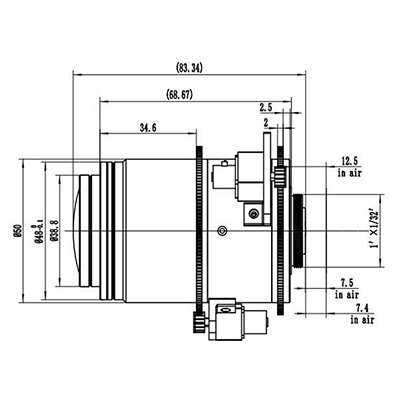
CS-Mount Lens
FAQs
1. Can an M12 lens be used on a C-mount camera?
No, M12 lenses are not directly compatible with C-mount cameras due to differences in size and mounting systems.
2. What is the difference between CS-mount and C-mount?
- The main difference is flange focal distance
- CS-mount: 12.5mm
- C-mount: 17.5mm
- C-mount lenses can be used on CS cameras with an adapter
3. Which lens is best for machine vision?
C-mount lenses are typically the best choice due to:
- Higher optical precision
- Better support for large sensors
- Improved image clarity
4. How do I choose the right focal length?
It depends on:
- Field of view required
- Distance to object
- Sensor size
Need Help Choosing the Right Lens?
At TOWIN, we specialize in providing high-quality lens solutions for:
- Machine vision
- Surveillance systems
- Custom imaging applications
We can help you:
- Select the right lens for your camera
- Optimize performance for your application
- Provide customized lens solutions
👉 Contact our team today to get expert support.
Conclusion
Understanding the differences between M12 CS and C-mount lens is essential for building an efficient imaging system.
- M12 → Compact and cost-effective
- CS → Balanced for surveillance
- C → High-performance for industrial use
By evaluating your camera compatibility, application needs, and optical requirements, you can confidently choose the right lens for your project.