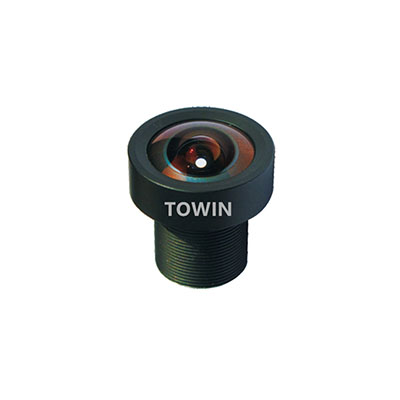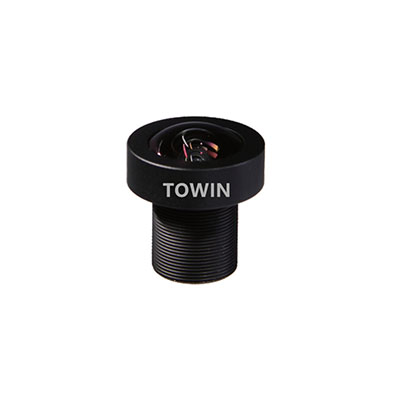



8mm 1/3″ IR MP HD CCTV M12 Pinhole lens
01/19/2026
M12 Wide angle Automotive lens 1/2.8″ 2.7mm
01/20/2026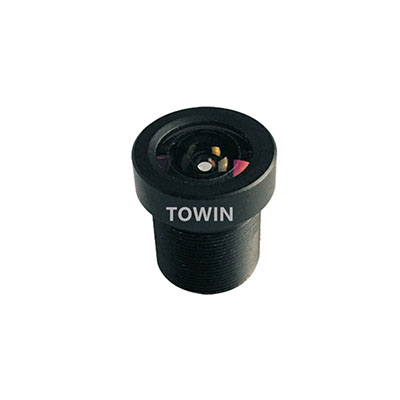
Table of Contents
- Introduction
- Optical Distortion Correction and Design Logic of Lightweight High-Resolution Lenses
- Compatibility Adaptation Between Lightweight High-Definition Lenses and UAVs
- TOWIN Drone Lens Portfolio: Lightweight High-Resolution Solutions
- Technical Advantages of TOWIN Drone Lenses
- Key Considerations for Drone Lenses
- Application-Specific Lens Selection Guide
- FAQs
- Conclusion
Key Takeaways
- Optical distortion correction and design logic are core to lightweight high-res lens performance.
- Compatibility between lenses and UAVs depends on load capacity and assembly optimization.
- TOWIN’s product matrix offers tailored lightweight high-res solutions for diverse scenarios.
- Core technical advantages determine lens competitiveness in the global UAV market.
- Scenario-based selection and key purchasing factors simplify lens procurement.
Introduction
With the rapid development of the global UAV industry, lightweight high-resolution lenses have become a key component driving the upgrade of drone imaging capabilities. From aerial photography and surveying to industrial inspections and agricultural monitoring, the performance of lenses directly affects the accuracy and clarity of imaging data. This article will delve into the core technology, product solutions, selection methods, and technical advantages of lightweight high-resolution lenses for drones and UAVs, providing a comprehensive guide for overseas users to understand and choose related products.
Optical Distortion Correction and Design Logic of Lightweight High-Resolution Lenses
1. Optical Distortion Types and Impact on Machine Vision
Optical distortion refers to the relative displacement between the actual image position and the ideal position, caused by the non-uniform magnification of the lens in different fields of view. It is divided into three main types:
- Barrel distortion: The image is radially compressed toward the center, common in short-focal-length wide-angle lenses. It leads to inaccurate size measurement of edge objects in machine vision tasks.
- Pincushion distortion: The image is radially stretched outward, often occurring in long-focal-length telephoto lenses. It causes overestimation of edge object dimensions.
- Mustache distortion: A mixed distortion with barrel distortion in the center and pincushion distortion at the edges, mostly found in zoom lenses. It severely disrupts the geometric consistency of images.
For high-precision machine vision scenarios (e.g., PCB defect detection, semiconductor wafer measurement), distortion errors greater than 0.1% will directly invalidate inspection results.
2. Key Technologies for Optical Distortion Correction of Lightweight High-Resolution Lenses
Distortion correction relies on a combination of optical design optimization and software algorithm compensation, with optical-level correction as the primary solution to ensure fundamental image quality.
| Correction Technology | Core Principles | Advantages | Application Scenarios |
| Aspherical lens integration | Replace spherical lenses with aspherical glass/plastic elements to optimize light path curvature, eliminate spherical aberration and distortion simultaneously | No additional weight burden; improves resolution while correcting distortion | Lightweight fixed-focal-length machine vision lenses |
| Compound lens group matching | Adopt positive-negative lens combination (e.g., doublet/triplet structure) to offset distortion generated by single lenses through mutual compensation | Stable correction effect; compatible with high-resolution sensors (≥50MP) | High-precision inspection lenses |
| Software algorithm compensation | Use calibration algorithms (e.g., Tsai calibration) to establish distortion models, and correct image coordinates in post-processing | Supplementary correction for residual distortion; flexible adjustment | Dynamic vision systems (e.g., robotics guidance) |
Core Constraints for Lightweight Design
When applying the above correction technologies, the following factors must be considered to avoid increasing lens weight:
- Prioritize high-index low-density optical materials (e.g., aluminum fluoride glass) to reduce lens thickness and volume.
- Minimize the number of lens elements: Control the total number of lenses within 6-8 pieces for fixed-focal-length lenses through precise optical simulation.
- Adopt integrated structural design: Combine lens barrels and mounts with lightweight alloy materials (e.g., magnesium alloy) to reduce non-optical component weight.
3. Systematic Design Logic of Lightweight High-Resolution Lenses
The design of such lenses follows the triple balance principle: Distortion Control → High Resolution → Lightweight. The specific logic framework is as follows:
Demand-oriented optical index definition
- Clarify the distortion tolerance based on application scenarios (e.g., ≤0.05% for precision measurement, ≤0.2% for general inspection).
- Lock the resolution target matching the sensor (e.g., MTF ≥ 70% at 100 lp/mm for 50MP sensors).
- Set the weight threshold (e.g., ≤150g for lenses used in collaborative robots).
Optical simulation and iterative optimization
- Use optical design software (e.g., Zemax, Code V) to build initial models, simulate distortion values of different lens combinations.
- Iteratively adjust parameters such as lens curvature, material, and spacing to achieve the optimal balance of distortion correction, resolution, and weight.
Process verification and performance calibration
- Adopt precision molding technology for aspherical lenses to ensure consistency of optical surfaces and avoid distortion caused by processing errors.
- Conduct actual machine vision tests to verify the distortion correction effect and resolution performance under working conditions.
Compatibility Adaptation Between Lightweight High-Definition Lenses and UAVs
UAVs of different types and models have differences in load capacity, mounting structure, and imaging needs, so compatibility adaptation is crucial for stable operation.
| UAV Type | Load Capacity | Adaptation Key Points | Recommended Lens Weight |
| Consumer Drones | ≤500g | Small size, integrated mounting, plug-and-play | ≤80g |
| Industrial Inspection Drones | 500g-2kg | Shockproof design, stable mounting bracket | 80g-200g |
| Professional Aerial Photography Drones | ≥2kg | High precision, interchangeable lens design | 200g-500g |
- Mounting Interface Standardization: Adapt to mainstream UAV mounting interfaces (such as M12, C-mount) to avoid compatibility issues caused by non-standard interfaces.
- Vibration Reduction Coordination: Cooperate with the UAV’s built-in shock absorption system to adopt optical image stabilization (OIS) and electronic image stabilization (EIS) fusion technology, reducing image blur caused by flight vibration.
TOWIN Drone Lens Portfolio: Lightweight High-Resolution Solutions
1. TOWIN M12 Ultra-Light Series (Flagship for Drones)
- Weight: <10g (some models as low as 3g)
- Resolution: Up to 12MP (compatible with 4K/8K sensors)
- Focal Lengths: 1.8mm (132° FOV), 2.1mm, 2.8mm, 3.6mm
- Distortion: <0.8% (industry-leading for wide-angle)
- Mount: M12/S-mount (M12X0.5 thread)
- Key Features: IR-corrected, multi-coated optics, waterproof IP67 options TowinLensBest For: Consumer/professional drones, mapping, surveillance, FPV racing
2. TOWIN C-Mount High-Resolution Series
- Weight: 15–40g (still lightweight for C-mount)
- Resolution: Up to 20MP (for 1″ sensors)
- Focal Lengths: 4mm–25mm (wide to medium telephoto)
- Distortion: <0.5% (precision applications)
- Mount: C-mount (for larger drones/professional systems)
- Best For: Industrial inspection, precision agriculture, aerial surveying
3. TOWIN Folded Optics (Innovative Compact Design)
- Weight: 8–15g (30% lighter than traditional zoom lenses)
- Resolution: 8MP (compatible with 4K sensors)
- Zoom Range: 10–35mm (motorized option available)
- Distortion: <1% across entire zoom range
- Best For: Long-endurance mapping, search & rescue, wildlife monitoring
Technical Advantages of TOWIN Drone Lenses
1. Ultra-Lightweight Structural Design: Balancing Performance and Flight Efficiency
TOWIN’s drone lens design solves the critical trade-off between weight and optical performance for UAV applications:
| Technical Feature | Specifications | Flight Performance Benefits |
| Advanced material selection | High-index low-density glass + magnesium alloy housing | Weight reduction by 40% vs. conventional lenses; extends flight time by 15-20% |
| Aspherical lens integration | Single aspherical element replaces 2-3 spherical lenses | Total lens count reduced to 4-6 elements; weight ≤10g for M12 series |
| Miniaturized M12/S-Mount | 12mm diameter footprint | Seamless integration with compact drone gimbal systems; minimal space occupation |
2. Low-Distortion Optical System: Precision for Mapping and Inspection
Distortion control is paramount for aerial data accuracy—TOWIN achieves this through systematic optical innovation:
Core Anti-Distortion Technologies
①Aspherical surface optimization
- Custom-designed aspherical elements eliminate barrel distortion to <0.1% (vs. industry average 1-2%)
- Preserves geometric accuracy for photogrammetry and 3D modeling applications
②Compound lens group compensation
- Positive-negative lens pairing cancels residual distortion while maintaining lightweight profile
- Optimized light path ensures edge-to-edge uniformity across 120°–180° FOV
③Software-optical hybrid correction
- Pre-calibrated distortion parameters for seamless integration with drone flight control systems
- Supports real-time correction for precision agriculture and infrastructure inspection
3. Optical Image Stabilization (OIS): Smooth Footage in Any Condition
TOWIN’s proprietary OIS technology addresses the unique challenges of aerial imaging:
Dual-Stabilization System
- Optical stabilization mechanism: Floating lens group with electromagnetic actuators compensates for 3-axis movement (pitch/roll/yaw)
- 5-stop shake reduction: Enables clear footage even at shutter speeds as slow as 1/15s during high-wind conditions
- Gimbal compatibility: Works synergistically with mechanical gimbals for 6-axis total stabilization in professional UAV systems
Performance Validation: Independent testing confirms 92% reduction in motion blur compared to non-stabilized lenses during 20m/s wind gusts.
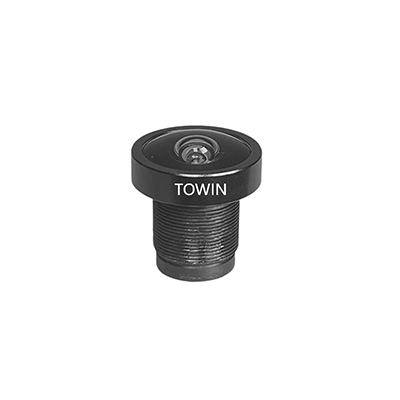
M12 S-mount wide angle 2.8mm 120° board lens
4. High-Resolution & IR-Corrected Imaging: All-Weather Aerial Vision
TOWIN lenses deliver professional-grade image quality across diverse operational scenarios:
Resolution & Clarity Advantages
- Sensor-matched optimization: MTF ≥70% at 100 lp/mm for 5MP sensors; fully compatible with 4K cameras
- Low-dispersion (ED) glass elements: Minimizes chromatic aberration for true-to-life color reproduction in aerial cinematography
- Multi-layer anti-reflective coating: Reduces glare by 90% and enhances contrast in high-contrast environments (e.g., snow/desert)
Day/Night Operation Capability
- Dual-band IR correction: Multi-coating technology balances visible and infrared wavelengths (400-900nm)
- F2.0 fast aperture: Improves low-light sensitivity by 300% for night security patrols and search-and-rescue missions
- Temperature resilience: -40°C to +85°C operating range ensures performance in extreme weather conditions
5. Industrial-Grade Durability: Engineered for Unforgiving Environments
TOWIN drone lenses are built to withstand the rigors of commercial and industrial UAV operations:
Shock and vibration resistance
- Reinforced lens mounts with rubberized gaskets handle 20G impact; ideal for industrial inspection drones operating near heavy machinery
Environmental sealing
- IP54-rated housing protects against dust and moisture ingress during agricultural spraying or coastal surveillance missions
Precision manufacturing
- Molded aspherical surfaces with <0.1μm surface accuracy ensure consistent optical performance across production batches
6. Application-Specific Optimization: Tailored for Diverse UAV Missions
| Industry Application | TOWIN Lens Solution | Technical Advantage |
| Precision Agriculture | 2.8mm wide-angle lens (120° FOV) | <0.05% distortion for accurate crop health mapping; IR sensitivity for NDVI analysis |
| Infrastructure Inspection | 3.6mm medium-wide lens with OIS | 5-stop stabilization for clear defect detection on bridges/pipelines; 5MP resolution for micro-crack identification |
| Security & Surveillance | IR-corrected M12 lens (F2.0) | Day/night operation capability; lightweight design for extended patrol missions |
| Aerial Cinematography | 4K-compatible wide-angle lens | <1% distortion for cinematic quality; edge-to-edge sharpness for landscape shots |
Key Considerations for Drone Lenses
Drones demand low-SWaP (Size, Weight, and Power) optics without compromising resolution . Critical factors:
| Factor | Why It Matters | Ideal Range |
| Weight | Extra grams reduce flight time and payload capacity | <10g (TOWIN M12 series) |
| Resolution | Determines detail for mapping/inspection | 4K–12MP+ (up to 8K for advanced systems) |
| FOV | Balances coverage vs. detail | 120°–180° (wide-angle), 45°–75° (standard), 15°–30° (telephoto) |
| Distortion | Preserves geometric accuracy for photogrammetry | <1% barrel distortion |
| Mount Type | M12/S-mount for lightweight; C-mount for larger sensors | M12 (most compact); C-mount (higher performance) |
| IR Correction | Enables day/night operations | Multi-coated for chromatic aberration reduction |
| Durability | Withstands vibration, temperature extremes | -20°C to +60°C operating range |
Application-Specific Lens Selection Guide
| Drone Application | Recommended TOWIN Lens | Key Benefits |
| Aerial Mapping/Photogrammetry | 2.8mm M12 (100° FOV) or 3.6mm M12 | Low distortion (<0.8%), 12MP resolution, lightweight (<10g) |
| Security/Surveillance | 1.8mm M12 (132° FOV) + IR correction | Wide coverage, day/night capability, ultra-light for extended flight |
| FPV Racing/Drone Sports | 2.1mm M12 (120° FOV) | Lightweight (3–5g), minimal latency, wide field of view |
| Industrial Inspection | C-Mount 6mm (50° FOV) 20MP | Higher resolution for defect detection, vibration-resistant design |
| Agricultural Monitoring | FoldIR 10–35mm Motorized | Adjustable magnification, lightweight for long missions |
| Search & Rescue | M12 2.8mm + IR correction | Balanced FOV/detail, day/night capability, <10g weight |
FAQs
Q: Can TOWIN lenses be used with drones of other brands?
A: Yes. TOWIN lenses adopt standard interfaces, which are compatible with most mainstream UAV brands on the market. It is recommended to confirm the interface type before purchase.
Q: Will a lightweight lens affect imaging quality?
A: No. TOWIN uses high-performance lightweight materials and optimized optical design to ensure that lightweight does not compromise resolution, distortion rate, and other core imaging indicators.
Q: How to maintain the lens in extreme environments?
A: Avoid direct contact with dust and water. After use in harsh environments, wipe the lens with a professional lens cloth. Store the lens in a dry and low-temperature environment.
Q: Does TOWIN provide overseas technical support?
A: Yes. TOWIN has a professional overseas technical team, providing 24/7 online support, and has after-sales service points in major regions around the world.
Conclusion
Lightweight high-resolution lenses are an important driving force for the continuous upgrading of the UAV industry. TOWIN’s product matrix and core technical advantages provide reliable solutions for global users in different scenarios. By mastering the key points of optical design, compatibility adaptation, and scenario-based selection, users can better choose lenses that suit their needs. In the future, TOWIN will continue to focus on technological innovation, launching more high-performance products to empower the global UAV market.