


Automotive interior lens
11/27/2025
Lightweight CS-Mount lenses for robotics
11/27/2025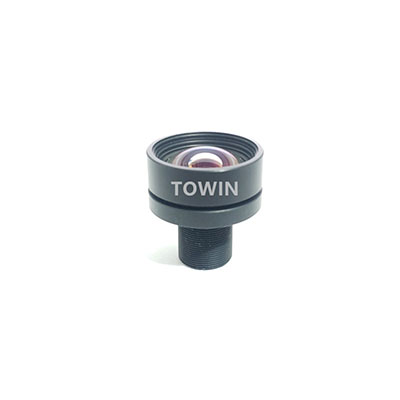
When it comes to photography or videography, distortion is a common issue that photographers and videographers face. Distortion can significantly affect the quality of the final image or video, causing it to appear unnatural.
What is Lens Distortion?
Before answering the central question, let’s first understand what lens distortion is. Lens distortion occurs when a camera lens introduces unwanted changes to the shape of objects within the image. This can happen for various reasons, such as the curvature of the lens or the optical properties of the glass. There are different types of lens distortion, including barrel distortion, pincushion distortion, and complex distortion.
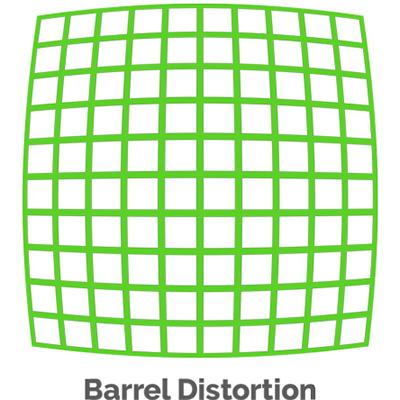
- Barrel Distortion: This causes straight lines to appear curved outward, like the shape of a barrel.
- Pincushion Distortion: This causes straight lines to appear curved inward, like the shape of a pincushion.
- Complex Distortion: This is a combination of both barrel and pincushion distortions and is often seen in wide-angle lenses.
Do All Lenses Have Distortion?
Do all lenses have distortion? The short answer is no, but most lens, especially wide-angle and zoom lens, will introduce some level of distortion. The extent and type of distortion largely depend on the design and quality of the lens. Cheaper lenses or lens with simpler designs tend to exhibit more noticeable distortion, whereas Low Distortion Lens are engineered to minimize this effect.
Lenses with low distortion are typically prime lens or high-quality zoom lenses that use advanced optical technology to correct distortion. These lens are designed with sophisticated glass elements and special coatings that work together to minimize unwanted distortion.
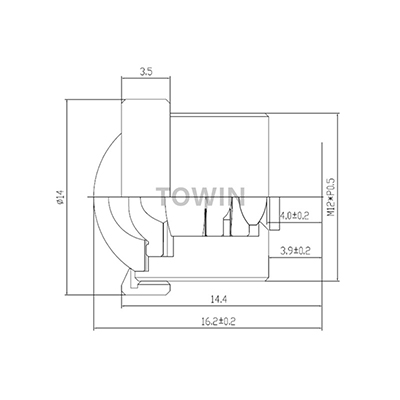
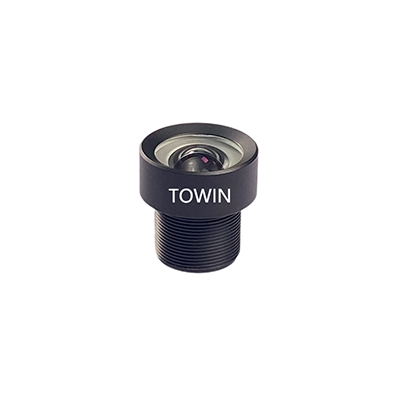
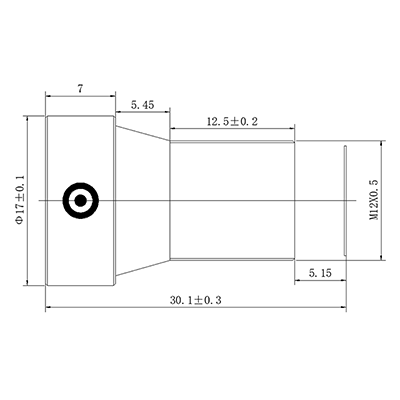
Low distortion wide angle 85° M12 mount lens
What Are Low Distortion Lens?
Low Distortion Lens are lenses specifically designed to minimize the optical imperfections that lead to image distortion. These lenses are particularly beneficial for photographers who need high-precision images, such as architectural photographers, product photographers, or portrait photographers. The key to their effectiveness lies in their design, which incorporates special lens elements to counteract distortion caused by factors like angle and curvature.
These lenses are often used in professional photography due to their ability to produce sharp, accurate images with minimal distortion, even at wide apertures or extreme focal lengths.
Why Do Low Distortion Lenses Matter?
Understanding the importance of Low Distortion Lenses becomes crucial when you’re aiming for high-quality images. If you are working on a project where precision is important—like shooting architecture or product photography—distortion can drastically affect the final result. In these cases, the straight lines in a building or object will appear warped, which can make the image look unprofessional or unrealistic.
By using a Low Distortion Lens, you ensure that the images maintain their original geometry, preserving the integrity of the scene you are capturing. This is especially important for photographers who want to maintain the accuracy of their images without the need for extensive post-processing to correct distortion.
Types of Lenses and Distortion
- 1. Wide-Angle Lenses: These lenses are notorious for barrel distortion due to their wide field of view. While Low Distortion Lenses in this category minimize the effect, they may still have some level of distortion at the edges of the frame.
- 2. Telephoto Lenses: These lenses tend to have less distortion, but they are not immune. Some telephoto lenses, especially those with zoom capabilities, may experience pincushion distortion.
- 3. Prime Lenses: Prime lenses, which have a fixed focal length, are often the best performers in terms of distortion control. Low Distortion Lenses in this category offer superior sharpness and minimal distortion across the entire frame.
- 4. Zoom Lenses: Zoom lenses can exhibit more distortion compared to prime lenses, especially when zoomed out to their widest setting. However, Low Distortion Zoom Lenses are designed to minimize this effect, offering a more balanced and accurate image.
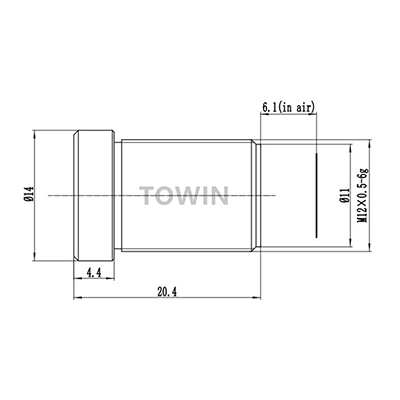
Low distortion CCTV 25mm F2.5 M12 lens
How to Minimize Lens Distortion?
- Use Low Distortion Lenses: As mentioned, Low Distortion Lenses are designed to minimize distortion and provide better image quality.
- Post-Processing: Many photographers use software like Adobe Lightroom or Photoshop to correct distortion in post-production. While this can help, it is always better to reduce distortion in-camera.
- Lens Calibration: Regularly calibrating your lens can help reduce distortion caused by misalignment or imperfections in the lens elements.
- Avoid Extreme Angles: Lens distortion is often more noticeable at extreme angles or when shooting very close to subjects. By adjusting your shooting position, you can reduce the visible effects of distortion.
How to Choose a Low Distortion Lens?
When shopping for a lens, it’s important to consider its optical characteristics, especially if you need to avoid distortion in your work. Here are some tips on choosing a Low Distortion Lens:
- Read Reviews: Professional photographers often test and review lens for their distortion characteristics. Look for lens that consistently rank high in terms of image quality and low distortion.
- Check Technical Specifications: Many manufacturers provide distortion data for their lens, showing the level of barrel or pincushion distortion.
- Consider Prime Lens: If you’re looking for the least distortion, prime lens generally perform better than zoom lens in this regard.
Conclusion
Do all lenses have distortion? Most lens do exhibit some level of distortion, especially wide-angle and zoom lense. However, Low Distortion Lens offer an excellent solution for those seeking minimal distortion and superior image quality. Whether you’re a professional photographer or a hobbyist, investing in a low distortion lens can help you achieve the sharpest, most accurate images with minimal distortion.
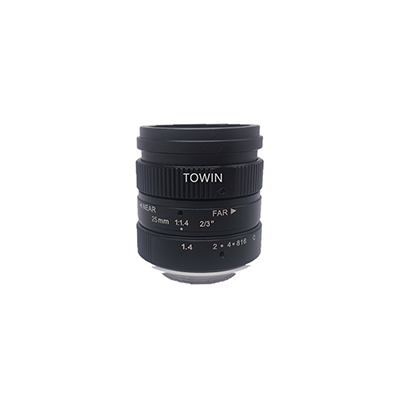
25mm Low Distortion Machine Vision Lens
FAQs
What are the best lens for avoiding distortion?
The best lens for avoiding distortion are typically prime lens and high-quality zoom lens with advanced optical designs, such as Low Distortion Lens from trusted brands like Canon, Nikon, and Sony.
Can you correct distortion in post-processing?
Yes, distortion can be corrected in post-processing using software like Adobe Lightroom and Photoshop. However, it is always better to minimize distortion in-camera by using Low Distortion Lens.
Why do wide-angle lens have more distortion?
Wide-angle lens have a larger field of view, which can cause the edges of the image to stretch or warp, leading to barrel distortion. Low Distortion Lens in this category help minimize this effect, but it may still be present in some cases.
Are prime lens better for controlling distortion?
Yes, prime lens generally perform better in terms of distortion control because they have a simpler optical design. Low Distortion Prime Lens offer excellent image quality with minimal distortion.