


Low-Distortion Lens for Autonomous Vehicles
11/24/2025
M12 to CS-Mount Adapter
11/24/2025
C-Mount lenses are a popular choice for a variety of camera systems, especially in the realm of industrial, scientific, and surveillance cameras. Understanding “C-Mount lens compatibility with cameras” is crucial for selecting the right lens for your system.
What is a C-Mount Lens?
A C-Mount lens is a type of lens that is commonly used for machine vision, industrial cameras, and scientific imaging. It features a 1-inch screw thread (25.4mm) and a flange distance of 17.526mm. While C-Mount lenses were initially designed for CCTV cameras, their versatility has made them compatible with a range of different camera types.
C-Mount Lens Compatibility with Cameras
When it comes to camera systems, the compatibility of lenses can be a challenging subject, and this holds true for C-Mount lenses. “C-Mount lens compatibility with cameras” depends on several factors, including the sensor size, lens mount, and flange distance. Here’s a breakdown of what you need to consider:
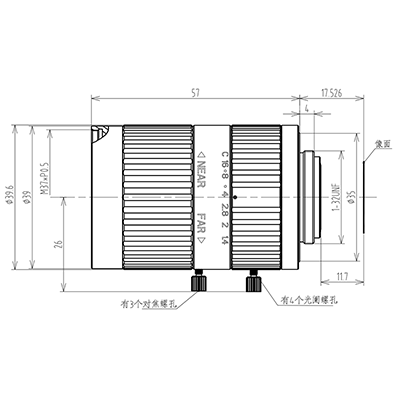
Industrial lens 50mm C-mount FA lens
1. Sensor Size
C-Mount lenses are designed to work with sensors of various sizes, but there are some limitations. The most common sensors that are compatible with C-Mount lenses are those with smaller formats such as 1/3-inch and 1/2.5-inch sensors. These sensors typically align well with the field of view of a C-Mount lens. However, larger sensors, like full-frame or APS-C sensors, may experience vignetting or image cropping, as the image circle of the C-Mount lens might not cover the entire area of the sensor.
2. Flange Distance
The flange distance refers to the space between the lens mount and the camera’s image sensor. C-Mount lenses have a specific flange distance (17.526mm), which is relatively short compared to other types of lenses like those found on DSLR or mirrorless cameras. This short flange distance is what makes C-Mount lenses more versatile, allowing them to be adapted to different camera systems with the proper lens mount adapters.
3. Mounting System
The C-Mount lens has a threaded screw system that needs to match the camera’s lens mount. While many industrial cameras come with a native C-Mount lens system, some consumer and professional cameras (like DSLR or mirrorless) will require an adapter to make the C-Mount lens fit. Adapters are available for most types of camera mounts, including Canon EF, Sony E-mount, and Micro Four Thirds. If you are using a non-C-Mount camera, it’s important to verify whether an adapter is required and if it will maintain the lens’s full functionality.
4. Compatibility with Camera Features
In some cases, C-Mount lenses may not support all the advanced features found in modern cameras. For example, autofocus, image stabilization, and aperture control might not work when using a C-Mount lens on a consumer DSLR or mirrorless camera. This is because many C-Mount lenses are designed for industrial use, where manual focus and aperture adjustments are standard.
Advantages of C-Mount Lenses
- Cost-Effective: C-Mount lenses are often more affordable than lenses made for high-end consumer cameras.
- Compact Design: The shorter flange distance allows for more compact designs, which is ideal for industrial and scientific use.
- Wide Range of Options: There is a large variety of C-Mount lenses available, ranging from wide-angle to telephoto, giving users flexibility in their setups.

40mm C mount IR corrected machine vision lenses
Limitations of C-Mount Lenses
- Compatibility with Large Sensors: As mentioned, larger sensors may experience vignetting, limiting the lens’s effectiveness with full-frame or larger cameras.
- Manual Focus and Aperture: Many C-Mount lenses are manual-focus only, which can be a challenge for those who prefer the convenience of autofocus.
- Limited Features: C-Mount lenses may not support features like autofocus or auto-aperture, which are commonly found in modern consumer-grade lenses.
How to Adapt C-Mount Lenses to Other Cameras
If you’re using a camera that doesn’t have a native C-Mount, fear not. There are several lens adapters available that can help you fit C-Mount lenses onto other camera systems. Here’s how you can adapt a C-Mount lens to your camera:
1. Lens Adapters
There are numerous adapters available for different lens systems, including adapters for Sony E-mount, Canon EF, and Micro Four Thirds mounts. These adapters allow you to attach a C-Mount lens to a camera that does not natively support it.
2. Consider the Flange Distance
When choosing an adapter, make sure to consider the flange distance. Some adapters might change the effective focal length of the lens, which could impact your composition or focus distance.
3. Manual Controls
Most adapters for C-Mount lenses do not support autofocus or automatic aperture control. Be prepared to manually adjust focus and aperture when using the lens on a non-native system.
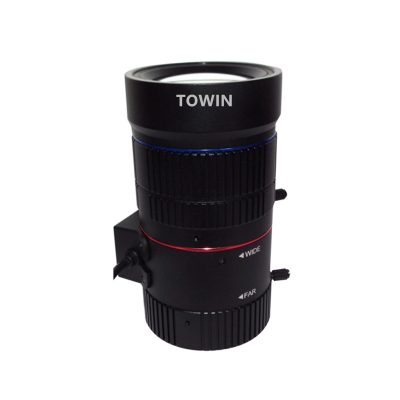
70mm C-mount ITS traffic road CCTV lens
FAQs
Can I use a C-Mount lens on a DSLR camera?
Yes, you can use a C-Mount lens on a DSLR camera with an appropriate lens mount adapter. However, keep in mind that features like autofocus and aperture control may not function properly.
What is the best sensor size for C-Mount lenses?
C-Mount lenses are most compatible with smaller sensors, such as those found in 1/3-inch or 1/2.5-inch cameras. Using them with larger sensors may result in vignetting.
Do I need an adapter to use a C-Mount lens on my mirrorless camera?
Yes, if your mirrorless camera does not have a native C-Mount lens mount, you will need an adapter to use the lens. Make sure the adapter is compatible with your camera’s mount type.
Are C-Mount lenses good for photography?
C-Mount lenses are generally better suited for industrial and scientific purposes, where manual control and precise imaging are required. For general photography, other lenses designed for consumer cameras may be more practical.
Conclusion
In summary, understanding “C-Mount lens compatibility with cameras” is essential when selecting the right lens for your setup. These lenses offer great flexibility, especially for industrial, scientific, and surveillance applications. While they may not be the best fit for every camera, with the right adapters, they can be a valuable tool for both amateur and professional photographers.