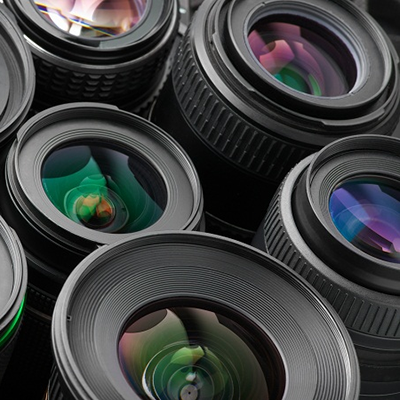



Diagonal vs. Orthographic Fisheye Lens
10/31/2025
The Ultimate Checklist Low-Distortion Lens
10/31/2025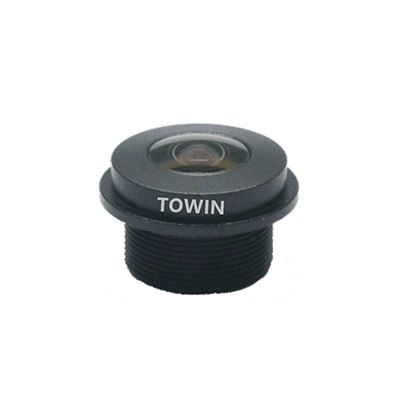
Automotive lenses play a critical role in ensuring driver safety, visibility, and vehicle aesthetics. However, in regions with high humidity—such as tropical climates or coastal areas—these lenses face unique challenges. Moisture-laden air can cause fogging, corrosion, and optical degradation, compromising functionality and longevity.
Why High Humidity Affects Automotive Lenses
High humidity introduces water vapor into the air, which can condense on lens surfaces when temperatures drop. This condensation leads to fogging, reducing visibility through headlights, taillights, and camera lenses. Additionally, prolonged exposure to moisture accelerates corrosion of metal components and degrades plastic or polycarbonate materials. For Automotive Lenses for High-Humidity Environments, these issues are not just inconveniences—they’re safety risks.
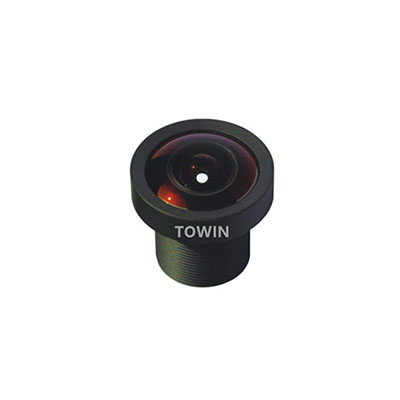
IP67 low distortion wide angle Automotive Lens
Key Features of Automotive Lenses for High-Humidity Environments
To combat humidity-related problems, manufacturers incorporate advanced technologies into their lens designs. Here are five essential features:
1. Hydrophobic and Anti-Fog Coatings
Specialized coatings repel water droplets, preventing fogging and ensuring clear visibility. These coatings create a smooth surface that minimizes water adhesion, allowing moisture to slide off effortlessly. For example, nanotechnology-based coatings are increasingly popular in high-end automotive applications.
2. Corrosion-Resistant Materials
Lenses in high-humidity zones often use materials like polycarbonate or acrylic, which resist moisture absorption. Metal components, such as housing frames, are treated with anti-corrosive layers like zinc plating or anodization to prevent rust.
3. Sealed Design and Gaskets
A tightly sealed lens assembly prevents moisture ingress. Rubber gaskets or silicone seals around the edges create a barrier, keeping internal components dry. This is crucial for camera lenses and sensors, where even minor moisture can disrupt functionality.
4. UV Stabilization
High humidity often coincides with intense sunlight. UV-stabilized lenses resist fading, cracking, and discoloration caused by prolonged sun exposure, ensuring long-term optical clarity.
5. Thermal Management Systems
Some advanced lenses incorporate heating elements or ventilation systems to regulate temperature and reduce condensation. These are particularly useful in extreme climates where rapid temperature changes occur.
Applications of Automotive Lenses in Humid Regions
Automotive Lenses for High-Humidity Environments are used in various vehicle components:
- Headlights and Taillights: Fog-resistant lenses improve nighttime driving safety.
- Camera Systems: ADAS (Advanced Driver-Assistance Systems) rely on clear, moisture-free lenses for accurate object detection.
- Interior Mirrors: Anti-fog coatings enhance rearview visibility in rainy or humid conditions.
- Sensor Covers: LIDAR and radar sensors require dust- and moisture-resistant lenses for precise operation.
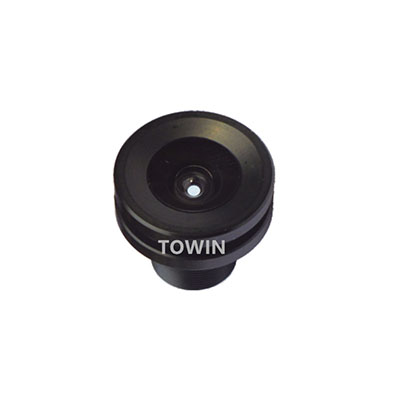
IP67 Automotive M8-Mount wide angle lens
Choosing the Right Automotive Lenses for High-Humidity Environments
When selecting lenses for humid climates, consider the following factors:
- Material Durability: Opt for polycarbonate or acrylic lenses with high moisture resistance.
- Coating Quality: Ensure the lens has a proven anti-fog or hydrophobic coating.
- Certifications: Look for industry standards like IP67 (water and dust resistance) or ASTM compliance.
Maintenance Tips for Longevity
Even the best Automotive Lenses for High-Humidity Environments require proper care:
- Clean lenses regularly with a microfiber cloth and mild detergent to remove dirt and grime.
- Avoid abrasive cleaners that can scratch coatings.
- Inspect seals and gaskets periodically for wear and replace them if damaged.
- Store vehicles in dry environments when possible to reduce humidity exposure.
FAQs
1. What causes fogging on automotive lenses in humid conditions?
Fogging occurs when warm, moist air contacts a cooler lens surface, causing water vapor to condense into tiny droplets.
2. How do anti-fog coatings work?
Anti-fog coatings create a hydrophilic (water-attracting) surface that spreads moisture into a thin, transparent layer instead of forming droplets.
3. Can high humidity damage automotive camera lenses?
Yes, prolonged exposure to moisture can corrode internal components, blur images, or trigger malfunctions in camera systems.
4. Are polycarbonate lenses better than glass for humid environments?
Polycarbonate lenses are lighter, more impact-resistant, and less prone to shattering than glass. They also resist moisture absorption better, making them ideal for humid climates.
5. How often should automotive lenses be replaced in high-humidity areas?
Replacement frequency depends on usage and maintenance. However, lenses with visible scratches, cracks, or fogging should be replaced immediately to ensure safety.
6. Do all automotive lenses come with anti-fog coatings?
No, not all lenses include anti-fog coatings. Check product specifications or consult the manufacturer to confirm if a lens is designed for high-humidity use.

IP67 M12 S-Mount Waterproof CCTV lens
Conclusion
Automotive Lenses for High-Humidity Environments are engineered to withstand the toughest moisture-related challenges. By incorporating hydrophobic coatings, corrosion-resistant materials, and sealed designs, these lenses ensure optimal performance in tropical or coastal regions.