


Machine Vision lenses used in automotive inspection
10/17/2025
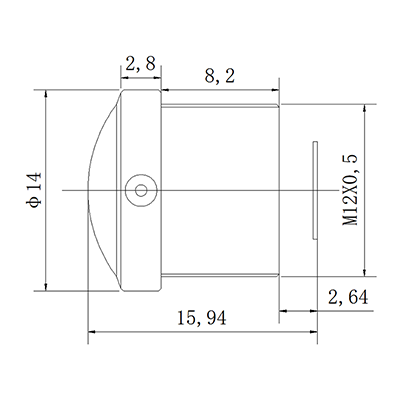
Low distortion wide angle 3.1mm 50° M12 mount lens
10/17/2025
The Raspberry Pi has revolutionized DIY electronics, enabling hobbyists and professionals to build compact, high-performance imaging systems. However, the default camera modules often lack the versatility needed for specialized projects. This is where M12 lens compatibility with Raspberry Pi cameras becomes a game-changer.
Why M12 Lenses Stand Out for Raspberry Pi Cameras
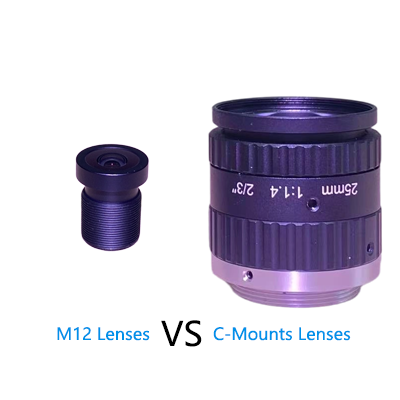
M12 lenses, named for their 12mm thread diameter, are compact, lightweight, and designed for interchangeability. Their popularity stems from:
- Versatility: Adjustable focus, focal lengths, and aperture settings.
- Affordability: Cost-effective compared to specialized CSI lenses.
- Ease of Use: Simple screw-on mechanism for quick swaps.
For Raspberry Pi cameras, which rely on a CSI (Camera Serial Interface) connector, M12 lenses offer a plug-and-play solution when paired with a compatible adapter. This combination is ideal for applications like robotics, surveillance, or aerial photography, where flexibility is critical.
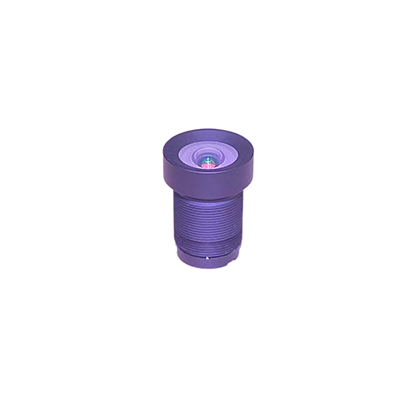
1.5mm F2.0 M12 Mount Automotive lens
M12 Lens Compatibility with Raspberry Pi Cameras: Technical Insights
To ensure seamless integration, consider these technical factors:
1. Adapter Requirements
Raspberry Pi cameras (e.g., V1, V2, or HQ) use a fixed-focus lens mounted on a CSI module. To attach an M12 lens, you’ll need an M12-to-CSI adapter. These adapters bridge the thread difference and maintain the correct sensor-to-lens distance.
2. Back Focal Length (BFL)
The BFL—the distance from the lens’s rear element to the sensor—must align precisely. Mismatched BFLs can cause blurry images. Most M12 adapters are designed for Raspberry Pi’s 5MP or 12MP sensors, but always verify compatibility.
3. Sensor Size Compatibility
Raspberry Pi cameras use a 1/4” or 1/2.5” sensor. Ensure your M12 lens supports this size to avoid vignetting (dark corners) or reduced image quality.
4. Mounting Stability
Vibrations or loose fittings can degrade performance. Opt for adapters with locking mechanisms or thread lockers to secure the M12 lens.
Benefits of Using M12 Lenses with Raspberry Pi Cameras
1. Enhanced Image Quality
M12 lenses often feature multi-coating to reduce glare and improve contrast, especially in bright conditions.
2. Customizable Focal Lengths
Swap lenses for wide-angle (2–3mm), standard (4–6mm), or telephoto (8mm+) views without changing the camera module.
3. Manual Focus Control
Unlike fixed-focus stock lenses, M12 lenses allow precise adjustments, critical for macro photography or distant subjects.
4. Cost Efficiency
A single Raspberry Pi camera paired with multiple M12 lenses costs less than buying separate specialized cameras.
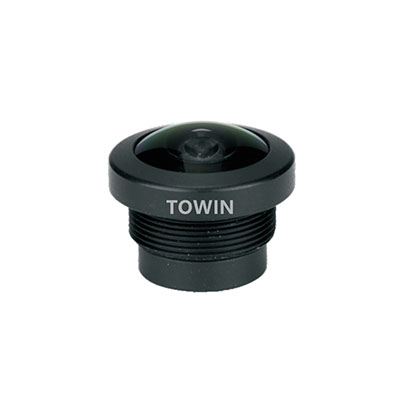
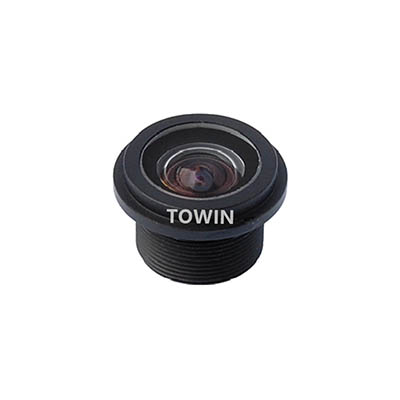
4-Megapixel F2.4 M12 mount fisheye lens
Step-by-Step Guide to Installing an M12 Lens
1. Gather Materials
- Raspberry Pi camera module (V1/V2/HQ).
- Compatible M12 lens.
- M12-to-CSI adapter (e.g., Arducam M12 Lens Holder).
- Screwdriver (if needed).
2. Remove the Stock Lens
- Gently unscrew the default lens from the CSI module. Avoid touching the sensor.
3. Attach the Adapter
- Screw the M12 adapter onto the CSI module’s threads. Ensure it sits flush.
4. Mount the M12 Lens
- Align the M12 lens with the adapter and twist until secure. Adjust the focus ring if available.
5. Test and Calibrate
- Power on the Raspberry Pi and run raspistill -o test.jpg to capture an image.
- Use sudo raspi-config to adjust settings like exposure or white balance.
Common Challenges and Solutions
- Blurry Images: Check BFL alignment or refocus the lens.
- Dark Corners (Vignetting): Use a lens with a larger image circle or adjust the adapter.
- Adapter Compatibility Issues: Purchase adapters specifically labeled for Raspberry Pi.
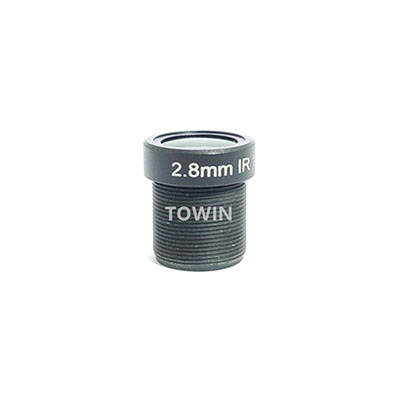
M12 IR Corrected CCTV Wide Angle Lens
FAQs
1. Can I use any M12 lens with my Raspberry Pi camera?
No. Ensure the lens supports your sensor size (1/4” or 1/2.5”) and has a compatible BFL.
2. Do M12 lenses work with all Raspberry Pi models?
Yes, but verify adapter compatibility. Older models (e.g., Pi Zero) may require thinner adapters.
3. How do I focus an M12 lens?
Rotate the focus ring manually. For fixed-focus lenses, adjust the adapter’s position.
4. Are M12 lenses waterproof?
Most are not. For outdoor use, choose lenses with IP67 ratings or add a protective housing.
Conclusion
M12 lens compatibility with Raspberry Pi cameras opens doors to professional-grade imaging without breaking the bank. By selecting the right adapter and lens, users can achieve crisp, customizable visuals for any application.