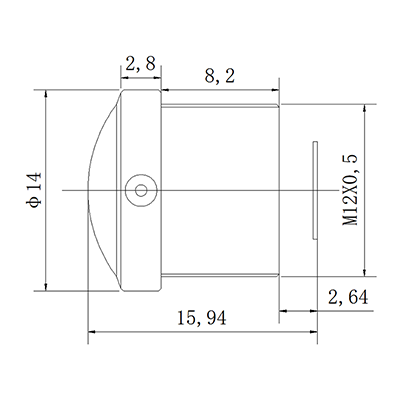



Pinhole lens 30mm IR corrected CCTV M12 lens
09/28/2025
Why Multi-Sensor CCTV Lens Are Gaining Popularity
09/29/2025
Wildlife photography demands precision, patience, and the right technical settings to bring animals to life through your lens. Among these settings, aperture recommendations for wildlife photography play a pivotal role in determining image quality, depth of field, and creative control.
Aperture Recommendations for Wildlife Photography: The Essentials
Aperture, measured in f-stops (e.g., f/2.8, f/5.6, f/8), controls the size of your lens’s opening and directly impacts light intake and depth of field (DoF). For wildlife, the goal is to balance sharpness, light, and environmental context. Here’s how to optimize your settings:
1. Fast Apertures (f/2.8–f/4) for Low Light & Isolation
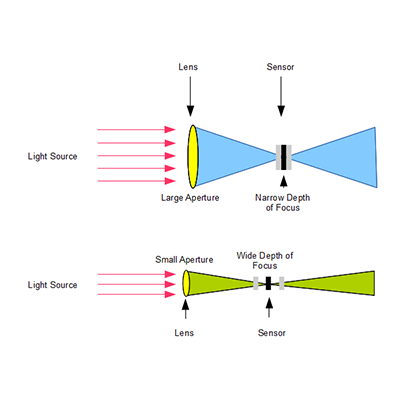
In dense forests or golden-hour lighting, a wide aperture like f/2.8 lets in maximum light, enabling faster shutter speeds to freeze motion. This setting also creates a shallow DoF, isolating your subject from distracting backgrounds. For example, photographing a leopard in shadowy terrain? Use f/2.8 to keep the animal crisp while blurring foliage.
2. Mid-Range Apertures (f/5.6–f/8) for Group Shots & Detail
When capturing multiple animals or intricate textures (e.g., bird feathers), mid-range apertures strike a balance between DoF and sharpness. At f/5.6–f/8, more of the scene remains in focus, making it ideal for flocks of flamingos or a pride of lions. This range also minimizes lens diffraction, ensuring edge-to-edge clarity.
Optimal Aperture for Sharpness
3. Narrow Apertures (f/11–f/16) for Landscapes & Context
If your shot includes a sweeping landscape (e.g., a herd of elephants against a mountain backdrop), narrow apertures like f/11 or f/16 expand DoF, keeping both foreground and background sharp. Pair this with a tripod to counteract slower shutter speeds in low light.
4. Telephoto Lenses & Aperture Synergy
Wildlife often requires telephoto lenses (200mm+). These lenses perform best at mid-to-wide apertures (e.g., f/4–f/5.6) to maintain sharpness across long distances. For instance, a 400mm lens at f/5.6 will render distant birds with stunning clarity while softening distant trees.
5. Dynamic Conditions? Adapt Aperture Flexibly
Wildlife doesn’t wait for perfect light. Adjust your aperture based on movement:
- Fast-moving subjects (cheetahs, hummingbirds): Prioritize wider apertures (f/2.8–f/4) for faster shutter speeds.
- Static subjects (sleeping lions, perched owls): Use narrower apertures (f/8–f/11) for greater DoF.
Pro Tip: Invest in lenses with fast maximum apertures (e.g., f/2.8 or f/4) for low-light versatility. Brands like Nikon and Canon offer top-tier wildlife lenses (check out B&H Photo for options).

lens aperture
Why Aperture Matters in Wildlife Photography
Aperture isn’t just a technical setting—it’s a creative tool. Wide apertures create dreamy bokeh, while narrow apertures tell environmental stories. By aligning your aperture with lighting, subject behavior, and artistic vision, you’ll capture images that resonate emotionally and technically.
Recommended Reading: Sports photography lenses with fast aperture
Final Thoughts:
Mastering aperture recommendations for wildlife photography transforms good shots into iconic ones. Experiment with these settings, prioritize flexibility, and let your creativity soar alongside the animals you photograph.