


Pinhole Lens Resolution
09/26/2025
Sports photography lenses with fast aperture
09/26/2025
Fisheye Lens Macro Photography merges the extreme wide-angle distortion of a fisheye lens with the intimate detail of macro photography, creating surreal, high-impact images. This niche technique pushes boundaries, turning ordinary subjects into extraordinary visual stories.
Why Fisheye Lens Macro Photography Stands Out
The fisheye lens’s signature 180-degree field of view and strong barrel distortion create a dramatic, almost otherworldly effect. When combined with macro photography—which focuses on subjects at extremely close range—the result is a fusion of vastness and detail. Imagine photographing a ladybug not just in sharp focus but surrounded by a swirling, exaggerated background of leaves and petals. This technique challenges conventional composition, demanding creativity and precision.
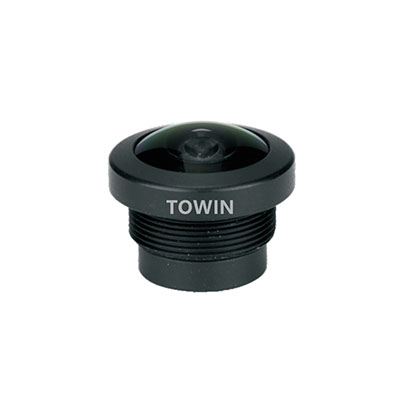
4-Megapixel F2.4 M12 mount fisheye lens
5 Key Techniques for Mastering Fisheye Lens Macro Photography
1. Choose the Right Gear
A dedicated fisheye macro lens (e.g., the Laowa 4mm f/2.8 Fisheye Macro) is ideal, but adapters or diopters can convert standard fisheyes for macro use. Prioritize lenses with manual focus and aperture control for greater creative freedom.
2. Master Depth of Field
Fisheye lenses inherently have a deep depth of field, but macro shooting reduces this. Use a small aperture (f/16 or higher) to keep more of the scene sharp. For artistic blur, embrace selective focus on a single element, like a flower’s stamen, while letting the background dissolve into abstraction.
3. Play with Perspective
The fisheye’s distortion can warp straight lines into curves, adding drama. Position your camera at a 90-degree angle to a flat surface (e.g., a leaf) to emphasize its texture. Alternatively, shoot upward to frame a subject against a distorted sky, creating a miniature planet effect.
4. Lighting is Critical
Macro photography often requires supplemental light. Use ring lights or off-camera flashes to illuminate tiny details without casting harsh shadows. For a softer look, diffuse light with a white umbrella or tissue paper.
5. Post-Processing Magic
Correct distortion slightly in software like Adobe Lightroom to maintain subject clarity while preserving the fisheye’s unique flair. Enhance colors and contrast to make textures pop. For inspiration, check out Smithsonian Magazine’s macro photography gallery, which showcases how professionals use creative techniques.

Fisheye IR Cut Filter S-Mount Lens
Overcoming Challenges in Fisheye Lens Macro Photography
This style isn’t without hurdles. The extreme distortion can make straight edges appear curved, which may distract from the subject. To mitigate this, compose shots with curved elements (e.g., petals, waves) that complement the fisheye effect. Additionally, the shallow depth of field in macro mode demands steady hands or a tripod to avoid blur.
Another challenge is finding subjects that suit the fisheye’s exaggerated style. Abstract patterns, water droplets, or insects with symmetrical features work best. Avoid cluttered backgrounds, as the fisheye will amplify every detail, potentially overwhelming the viewer.
The Rewards of Fisheye Lens Macro Photography
Despite its complexities, Fisheye Lens Macro Photography rewards patience with striking, memorable images. It encourages photographers to see beauty in the mundane, transforming a simple blade of grass into a swirling landscape. The technique also hones technical skills, from precise focusing to innovative lighting setups.
For those seeking to push creative boundaries, Fisheye Lenses Macro Photography offers a playground of possibilities. It’s not just about capturing a subject—it’s about reimagining how we perceive scale, texture, and space.
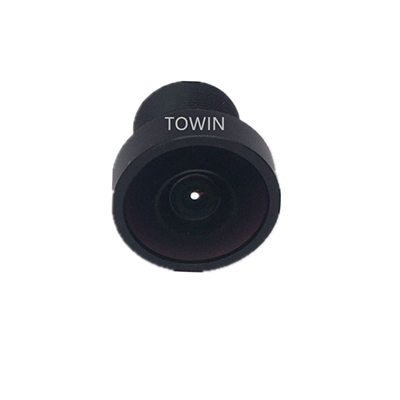
Megapixel Fisheye S mount Lens
Final Thoughts
Fisheye Lens Macro Photography is a bold, experimental approach that demands both technical skill and artistic vision. By embracing its quirks—distortion, depth of field, and perspective—you can create images that are both detailed and dreamlike.