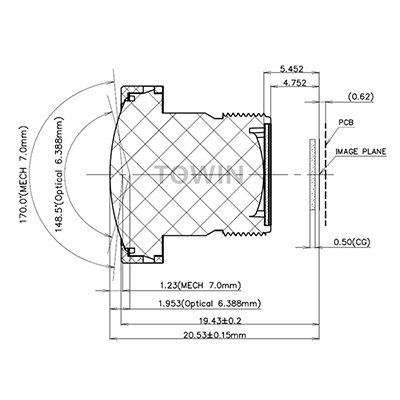



How does a zoom lens handle distortion
09/09/2025
Aperture settings for astrophotography lenses
09/09/2025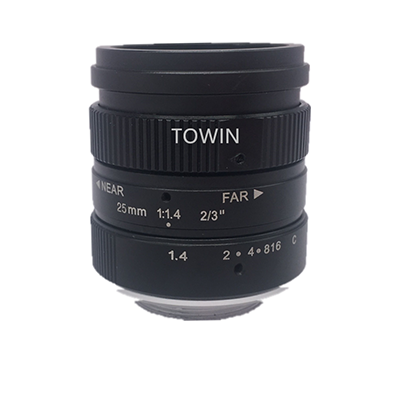
Selecting the ideal machine vision lens is pivotal for achieving unmatched precision in industrial automation, quality control, and robotics. A poorly chosen lens can lead to subpar image quality, reduced accuracy, and costly inefficiencies. To avoid these pitfalls, understanding the 5 critical factors outlined below will empower you to make an informed decision.
1. Field of View (FOV) and Working Distance
The field of view is the area the lens captures, while the working distance is the space between the lens and the object. These two parameters are interdependent. For instance, a wide-angle lens suits large FOVs but requires shorter working distances, whereas a telecentric lens excels in maintaining consistent magnification over varying distances.
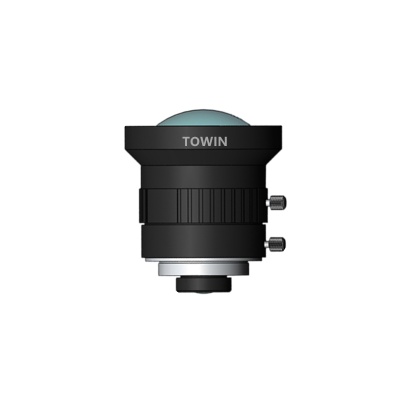
C mount machine vision lenses
2. Resolution and Sensor Compatibility
Your lens must match the resolution of your camera sensor. A high-resolution sensor paired with a low-quality lens will waste its potential, producing blurry images. Check the lens’s Modulation Transfer Function (MTF) chart, which indicates its ability to resolve fine details. For example, a lens with an MTF of 50 lp/mm (line pairs per millimeter) can distinguish features as small as 10 microns at optimal distances.
3. Aperture and Light Sensitivity
The aperture (f-number) controls light intake. A lower f-number (e.g., f/1.4) allows more light, crucial for low-light environments, but reduces depth of field. Conversely, a higher f-number (e.g., f/8) increases depth of field but requires brighter lighting. Balance these factors based on your application’s lighting conditions.
4. Lens Mount and Mechanical Stability
The lens mount must align perfectly with your camera to avoid vignetting or misalignment. Common mounts include C-mount, CS-mount, and F-mount. Ensure compatibility with your camera’s specifications. Additionally, prioritize lenses with rugged housing if your system operates in vibrating or dusty environments.
5. Cost vs. Performance Trade-offs
While budget constraints are real, skimping on lens quality can lead to long-term losses from rework or system failures. For simpler tasks, mid-range lenses may suffice. Recommended Reading: What is a zoom machine vision lens?
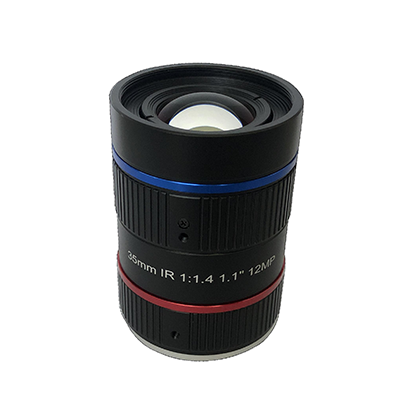
IR 12MP Low Distortion Machine Vision Lens
Final Thoughts
Choosing the right machine vision lens demands a strategic balance of technical specifications and practical needs. By evaluating FOV, resolution, aperture, mount compatibility, and cost, you’ll ensure your system operates at peak efficiency.