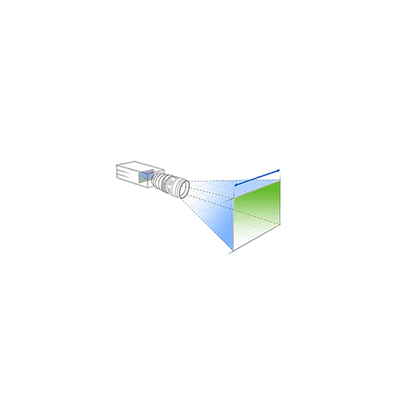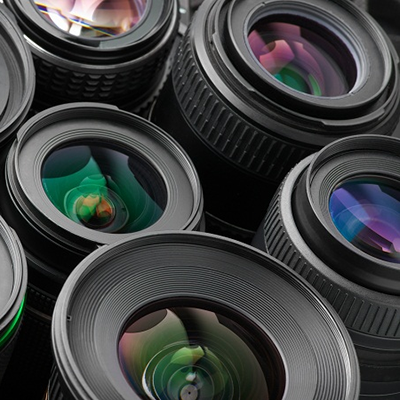



zoom CCTV lenses and fixed CCTV lenses
08/27/2025
Wide Angle Lens Meaning
08/27/2025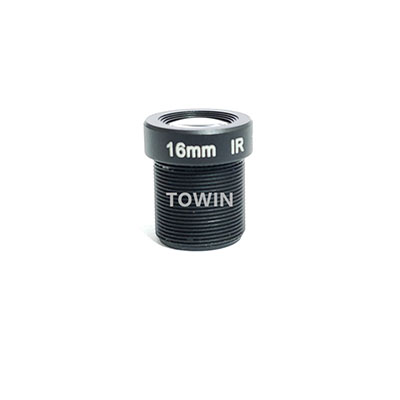
Photographers and filmmakers often debate the merits and drawbacks of wide-angle lenses, with the 16mm focal length frequently at the center of discussions. One question that arises repeatedly is: Does a 16mm lens have distortion? The answer isn’t straightforward, as distortion depends on lens design, usage, and post-processing techniques.
Does a 16mm Lens Have Distortion? Understanding the Basics
To address the core question—does a 16mm lens have distortion?—we must first define what distortion means in photography. Distortion refers to the deviation of straight lines in an image from their true form, often appearing curved or warped. Two primary types affect wide-angle lenses like the 16mm:
- 1. Barrel Distortion: Lines curve outward from the center, creating a bulging effect. This is common in ultra-wide lenses.
- 2. Perspective Distortion: Caused by the photographer’s angle relative to the subject, not the lens itself. It makes objects appear stretched or compressed.
A 16mm lens, being moderately wide, is prone to barrel distortion, especially at its widest aperture. However, modern lens manufacturers employ advanced optics to minimize this issue. Let’s explore how distortion manifests in real-world scenarios.

Does a 16mm Lens Have Distortion
Types of Distortion in 16mm Lenses
1. Optical Distortion
Optical distortion is inherent to the lens design. Cheaper or older 16mm lenses may exhibit pronounced barrel distortion, where straight edges—like buildings or fences—curve noticeably. For example, a 16mm prime lens from the 1990s might show 3-4% distortion, while newer models reduce this to under 1%.
Example: The Sigma 16mm f/1.4 DC DN Contemporary lens is engineered to minimize distortion, making it a favorite among mirrorless users for its near-rectilinear performance.
2. Perspective Distortion
Unlike optical distortion, perspective distortion isn’t caused by the lens but by the photographer’s position. Shooting close to a subject with a 16mm lens exaggerates features, making noses look larger in portraits or buildings appear tilted. This isn’t a flaw but a creative tool when used intentionally.
Factors Influencing Distortion in 16mm Lenses
- 1. Lens Quality: Premium lenses use aspherical elements and low-dispersion glass to correct distortion. Budget options may sacrifice these features.
- 2. Focal Length: The 16mm focal length sits between ultra-wide (e.g., 10mm) and standard (e.g., 35mm) lenses, balancing distortion and versatility.
- 3. Sensor Size: On APS-C cameras, a 16mm lens acts as a 24mm equivalent (due to the crop factor), which may reduce visible distortion compared to full-frame systems.
- 4. Aperture: Stopping down to f/8 or smaller can slightly reduce distortion, though the effect is minimal compared to optical corrections.
How to Correct Distortion in Post-Processing
Even with a high-quality 16mm lens, some distortion may persist. Fortunately, software like Adobe Lightroom and Capture One offers automated tools to fix this:
- Lens Profiles: These pre-built corrections account for your specific lens model’s distortion characteristics.
- Manual Adjustments: Use the “Transform” panel to tweak vertical/horizontal perspective and rotation.
- Distortion Sliders: Adjust the “Upright” mode or manual distortion slider to fine-tune results.
- Example: A landscape photo taken with a 16mm lens might show slightly curved horizons. Applying a lens profile in Lightroom can straighten them instantly.
When Distortion Works in Your Favor
Not all distortion is undesirable. Creative photographers leverage it for artistic effect:
- Architectural Photography: Emphasize sweeping curves or dynamic angles.
- Environmental Portraits: Include more context by exaggerating the background.
- Abstract Art: Turn mundane scenes into surreal compositions.
- Inspiration: Check out the work of renowned photographer Alex Webb, who often uses wide angles to create layered, distorted narratives.

How to Correct Distortion in Post-Processing
Final Verdict
Yes, a 16mm lens can have distortion, but its severity depends on the lens model, shooting conditions, and post-processing. Modern optics have significantly reduced this issue, making 16mm lenses viable for everything from landscapes to street photography. By understanding distortion types and correction methods, you can harness the creative potential of this focal length without compromising image quality.
Key Takeaways:
- Distortion is inevitable but manageable.
- Invest in high-quality lenses for better out-of-camera results.
- Use software to refine images when needed.
- Embrace distortion creatively when it serves your vision.
Whether you’re a seasoned pro or a beginner, the 16mm lens offers a unique perspective—distortion and all. With the right knowledge, you can turn its quirks into strengths.